
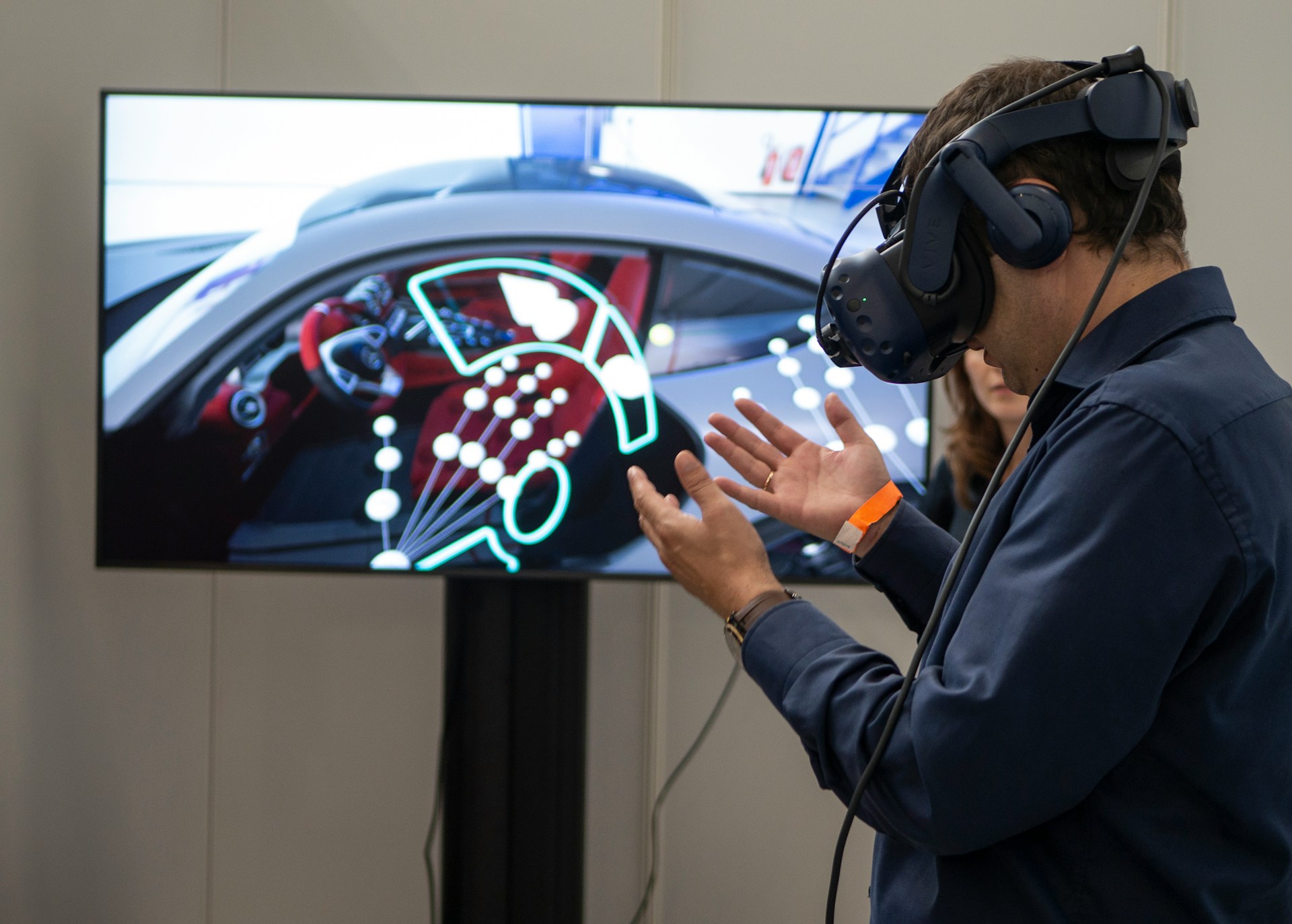

Augmented Reality (AR) and real-time data analytics are two of the most transformative technologies in the digital age. Their combination has catalyzed significant advancements across multiple sectors, blending the digital world seamlessly with the physical. This powerful intersection offers unique opportunities for businesses, consumers, and developers alike. By integrating real-time analytics into AR, users gain enhanced, data-rich experiences that push the boundaries of what is possible in various applications, from industry and healthcare to retail and entertainment.
Understanding Augmented Reality and Its Core Capabilities
Augmented Reality is a technology that overlays computer-generated content onto the real world, enhancing a user’s perception and interaction with their surroundings. Unlike Virtual Reality (VR), which immerses users into a fully synthetic environment, AR supplements the physical environment, maintaining the connection to reality while enriching it with data and visuals.
AR utilizes cameras, sensors, and software to recognize and interpret the world around the user. It projects relevant information in real time, which can be anything from simple data like text and icons to complex 3D models. These features make AR a versatile tool applicable in industries such as healthcare, education, and engineering.
One of the primary reasons AR has become a focal point in technology is due to its ability to enhance decision-making processes. By layering pertinent information over the real world, it provides users with contextualized insights that can improve accuracy, efficiency, and productivity. For instance, a fence company in Tennessee could leverage AR to visualize how different fence designs would look in a specific location. In this context, incorporating real-time data analytics adds an unparalleled depth of value.
Real-Time Data Analytics: The Backbone of Modern Decision-Making
Real-time data analytics involves processing and analyzing data as it is collected, enabling instantaneous insights. The capacity to work with live data has transformed the way organizations operate by offering up-to-the-minute information to make well-informed decisions. This form of analytics involves collecting data streams from various sources, interpreting them on the fly, and presenting them in a format that aids immediate understanding and action.
Technologies such as the Internet of Things (IoT), machine learning algorithms, and cloud computing have played pivotal roles in advancing real-time analytics. With sensors and connected devices proliferating across industries, businesses now handle vast amounts of data continuously. The challenge lies not only in gathering this data but also in processing it at a speed that matches the demands of users and systems. Audio-visual solutions also play a significant role in presenting this data in accessible formats for better decision-making.
This capacity for live processing fuels industries like finance, healthcare, and logistics, where every moment counts. For instance, in financial trading, milliseconds can mean the difference between significant profit or loss. In healthcare, real-time monitoring of patient vitals and other health metrics ensures timely medical intervention. Such critical applications underscore the importance of real-time data analytics as a key driver for success in the modern digital landscape.
The Power of Merging AR with Real-Time Data Analytics
The union of AR and real-time data analytics creates an ecosystem where digital content is not only dynamic but also reactive to immediate changes in data. This synergy enables users to make decisions based on a rich blend of visual cues and up-to-the-second data inputs, which proves immensely valuable in environments requiring rapid responses.
Take, for example, the field of manufacturing and maintenance. Technicians equipped with AR glasses can see a visual overlay of machine components, along with real-time data on operational metrics such as temperature, pressure, and performance outputs. If a part shows signs of failure, the AR interface can highlight it and provide recommendations for preventative maintenance, significantly reducing downtime and enhancing operational efficiency.
In construction and architecture, AR combined with real-time data analytics brings blueprints to life. Professionals can visualize projects at full scale, overlaid on actual construction sites, while receiving updates on material usage, cost estimates, and timelines. The ability to view this data in real time and adjust plans accordingly enhances project management, reduces errors, and saves resources. For example, AR can also aid in tasks like mold removal in NJ, ensuring that the necessary remediation steps are visualized accurately on-site.
Similarly, AR apps used in logistics provide workers with step-by-step instructions and real-time updates as they move through warehouses, ensuring that inventory is picked and processed with precision. The real-time data can inform the worker if an item is misplaced or if there is a sudden change in shipment priorities, optimizing overall workflow.
Transforming Healthcare with AR and Real-Time Data
The healthcare industry has been one of the most promising fields for integrating AR with real-time data analytics. The combined technology offers both patients and practitioners unprecedented levels of interaction and insight. Surgeons, for instance, can use AR headsets during complex procedures to project a patient’s real-time health data directly onto their field of vision. This data could include vital signs, 3D anatomical models, and other critical metrics needed during surgery. In addition, patients seeking quick treatments, such as an IV drip near me, can benefit from AR-guided services for more personalized care.
The value of such integration cannot be overstated. It allows for heightened precision and lowers the risks associated with complicated medical procedures. A surgeon equipped with real-time data analytics combined with AR can immediately identify anomalies in a patient’s health metrics, adjust their approach, and even receive automated recommendations based on AI-driven analysis of the patient’s historical data.
Outside of surgery, AR can also enhance telemedicine by allowing doctors to overlay patient data during virtual consultations. Real-time metrics gathered from wearable devices, such as heart rate, blood pressure, and oxygen saturation, can be visualized directly in an AR interface. This immediacy enriches the doctor-patient interaction and supports quicker, more accurate diagnoses.
Moreover, AR combined with real-time analytics holds great promise in medical training and education. Trainees can experience simulated surgeries or procedures where they interact with 3D models that change based on real-world data inputs. This immersive, data-driven learning environment helps build practical skills while reducing the reliance on cadavers or less interactive training methods.
Enhancing Retail Experiences Through AR and Live Data
Retailers are finding innovative ways to captivate customers by merging AR with real-time data analytics. This powerful combination not only elevates the shopping experience but also drives better business outcomes. When consumers use AR applications, they can visualize products in their real environments, such as placing a piece of furniture in their living room or trying on clothes virtually.

What sets apart AR with real-time analytics is its adaptability. As consumers interact with AR interfaces, real-time data on stock availability, pricing changes, and promotions can be reflected instantly. This means customers are always seeing the most relevant and current information, enhancing their purchasing decisions.
Retailers can also harness these analytics to gain insights into customer behavior, such as which products are being viewed most frequently through AR. This data helps businesses tailor their marketing strategies and optimize product placement to boost sales. Real-time adjustments based on consumer interactions can lead to higher engagement and conversion rates. For businesses offering services, like auto repair in Lake Jackson, TX, these insights can also help improve service offerings and customer satisfaction.
Furthermore, real-time feedback allows for personalized recommendations. When a customer tries on virtual clothes using an AR app, the application can provide immediate suggestions for complementary items or alternative sizes based on the user’s preferences and current stock data. This personalization creates a more engaging and user-friendly shopping experience, fostering brand loyalty and repeat business.
Challenges in Integrating AR with Real-Time Data
While the benefits of combining AR and real-time data analytics are clear, the integration comes with its own set of challenges. One of the primary concerns is the sheer volume of data that needs to be processed continuously. AR applications require low latency to provide seamless experiences, but real-time analytics involves complex computations that can strain networks and processing units. For businesses like pest control in Reno, managing such data efficiently is crucial for ensuring smooth operations and accurate service delivery.
Ensuring data privacy and security is another critical issue. When AR is combined with real-time data, the risk of sensitive information being exposed or misused increases. This is particularly significant in industries like healthcare and finance, where data breaches can have severe repercussions. Developing robust encryption, secure networks, and strict access protocols is essential to overcoming these challenges.
Moreover, the technological infrastructure necessary for the smooth operation of AR and real-time analytics can be costly. High-performance servers, advanced AR headsets, and powerful processing capabilities are needed to maintain an uninterrupted flow of real-time data. Smaller companies may find the initial investment prohibitive, limiting widespread adoption.
Despite these obstacles, advances in cloud computing and edge computing are paving the way for more efficient integration. These technologies distribute the computational workload across local and remote resources, reducing latency and enhancing performance. Continued research and development in this area are crucial for addressing current limitations and unlocking the full potential of AR combined with real-time data analytics.
The Future of AR and Real-Time Data Analytics
The future of AR and real-time data analytics promises even deeper integration and more sophisticated applications. Emerging technologies such as 5G and machine learning are expected to further enhance the capabilities of AR applications by enabling faster data transmission and smarter data processing.
AI-driven analytics combined with AR could lead to predictive and prescriptive solutions that not only present real-time data but also anticipate future scenarios. Imagine AR applications that, based on current and historical data trends, suggest next steps during an operation or preemptively flag issues in manufacturing before they escalate. Additionally, incorporating square hanging banners in the environment could further enhance real-time data visualization. This capability would create proactive, rather than reactive, responses in various fields.
Advances in user experience design will also play a crucial role in how effectively these technologies are adopted. Streamlined, intuitive AR interfaces that integrate seamlessly with data analytics will be essential for widespread user engagement. Training and education in AR and analytics must keep pace with these developments to ensure that the workforce is equipped to leverage these tools effectively.
As AR and real-time data analytics continue to evolve, their impact on industries and daily life will deepen, fostering a new era where digital information is not just accessible but inherently woven into the fabric of reality. This convergence represents not just a technological advancement but a paradigm shift in how we interact with data and the world around us. For instance, innovations like men’s Adidas soccer cleats may integrate with augmented reality for enhanced performance insights on the field.
