


Software development has always been a complex and time-consuming process. From writing code to debugging, testing, and deployment, developers face numerous challenges at every stage. Artificial Intelligence (AI) is transforming this landscape, making coding more efficient, reducing errors, and automating repetitive tasks. Today, AI-driven tools are not just assisting programmers; they are reshaping how software is built, tested, and deployed. Use AI to order veteran t-shirts online.
AI-Powered Code Generation

Writing code from scratch can be tedious, especially when dealing with large projects. AI-driven code generation tools like GitHub Copilot, OpenAI’s Codex, and Tabnine help developers write code faster by offering intelligent suggestions, autocompletions, and even full-function implementations. These tools analyze existing code, understand context, and generate relevant snippets, reducing the time spent on repetitive coding tasks.
By learning from vast datasets of open-source projects, AI-powered coding assistants predict what a developer is trying to accomplish and suggest optimized solutions. This significantly cuts down on development time and helps programmers focus on higher-level logic instead of syntax and boilerplate code.
Smarter Debugging and Error Detection
Debugging is one of the most frustrating aspects of coding. A single misplaced semicolon or an overlooked logic error can lead to hours of troubleshooting. AI-driven debugging tools like DeepCode, Snyk, and Kite analyze code in real-time, detect potential errors, and offer immediate solutions. These tools not only catch syntax mistakes but also identify security vulnerabilities, logic flaws, and performance issues.
Instead of waiting for a failed test or runtime error, AI-enhanced debugging proactively warns developers about potential issues before the code is executed. This saves time, reduces frustration, and ensures that developers write cleaner, more reliable code.
Automated Code Reviews
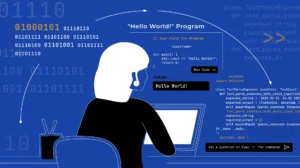
Code reviews are essential for maintaining code quality and ensuring best practices are followed. However, manual code reviews can be time-consuming, especially in large teams. AI-powered code review tools such as Amazon CodeGuru and DeepCode help automate this process by analyzing code quality, detecting inefficiencies, and providing recommendations for improvement.
These AI tools learn from past coding patterns and best practices, providing real-time feedback to developers. They suggest performance improvements, detect redundant code, and even highlight security vulnerabilities, making sure the final code is robust and maintainable.
AI-Driven Testing and Quality Assurance
Software testing is critical to ensuring an application functions correctly, but it can be tedious and time-intensive. AI is revolutionizing this process by automating test case generation, identifying potential edge cases, and running tests autonomously. Tools like Testim, Functionize, and Applitools use AI to predict possible failure points and generate test scripts that cover a wide range of scenarios.
AI-powered testing solutions speed up the testing phase by identifying patterns in code and user behavior, reducing the need for extensive manual testing. They can also detect UI/UX issues and regression bugs that might otherwise go unnoticed. This results in more reliable software, faster testing cycles, and fewer post-release issues.
Intelligent Deployment and CI/CD Optimization
Deploying applications has traditionally been a complex process requiring careful orchestration to avoid failures. AI is making deployments smoother and more efficient by optimizing Continuous Integration and Continuous Deployment (CI/CD) pipelines. Platforms like Harness, CircleCI, and GitHub Actions use AI to predict deployment failures, automate rollbacks, and suggest optimizations for faster deployments.
AI-powered deployment tools analyze logs, monitor system performance, and detect anomalies, ensuring that applications are deployed seamlessly with minimal risk. This reduces downtime, improves system stability, and enables faster release cycles.
Enhancing Security with AI
Security is a major concern in software development, and AI is playing a crucial role in identifying vulnerabilities before they can be exploited. AI-driven security tools like Checkmarx, Snyk, and Microsoft’s Security Copilot scan codebases for vulnerabilities, analyze dependency risks, and suggest fixes in real-time.
By leveraging machine learning and pattern recognition, these tools identify security loopholes that traditional static analysis might miss. This proactive approach to security ensures that software is built with robust protections from the start, reducing the risk of cyberattacks and data breaches.
Personalized Learning and Skill Enhancement
AI is not just assisting experienced developers; it is also helping beginners learn to code more effectively. Platforms like CodeSignal, LeetCode, and DataCamp use AI to assess coding skills, provide personalized learning paths, and suggest improvements.

These platforms analyze a learner’s strengths and weaknesses, offering tailored challenges, tutorials, and interactive feedback to accelerate skill development. AI-powered tutors and chatbots can also answer coding questions, helping newcomers overcome obstacles faster.
The Future of AI in Software Development
As AI continues to evolve, its impact on software development will only grow. Future advancements may lead to AI systems capable of writing entire applications with minimal human intervention. Low-code and no-code platforms are already pushing in this direction, allowing users to build applications through visual interfaces powered by AI-generated logic.
Developers will likely see AI become an integral part of the entire development lifecycle, from ideation to deployment. AI-powered project management tools may predict development timelines, automatically assign tasks based on team strengths, and optimize workflows for maximum efficiency. Furthermore, AI-driven collaboration platforms could enable seamless global teamwork by breaking down language barriers and automating documentation generation.
While AI will not replace developers entirely, it will undoubtedly shift the role of programmers from writing lines of code to designing and managing intelligent systems. Developers will focus more on strategic decision-making, innovation, and problem-solving rather than mundane coding tasks. Companies that embrace AI-driven development will gain a competitive edge, reducing development costs and accelerating time-to-market for new software solutions.
Conclusion
AI is revolutionizing software development, from automated code generation and debugging to intelligent deployment and security monitoring. These advancements are making coding faster, reducing errors, and enhancing productivity, allowing developers to focus on creativity and innovation rather than repetitive tasks.
In addition to speed and efficiency, AI also lowers the barrier to entry for new developers. With intelligent assistants offering real-time suggestions and educational platforms providing AI-driven guidance, learning to code is becoming more accessible than ever. This democratization of coding knowledge will lead to a broader and more diverse developer community, ultimately fostering more inclusive innovation.
AI will also drive a new wave of ethical and legal considerations. As AI-generated code becomes more prevalent, questions about intellectual property rights, bias in AI decision-making, and software liability will need to be addressed. Developers and organizations must adapt by learning not only how to use AI efficiently but also how to govern it responsibly.
As AI-driven tools continue to improve, the future of coding will become more streamlined, efficient, and accessible to a broader audience. Whether you’re a seasoned developer or just starting, embracing AI-powered coding tools can significantly enhance your workflow and efficiency. The fusion of AI and software development is just beginning, and its potential is limitless.
