
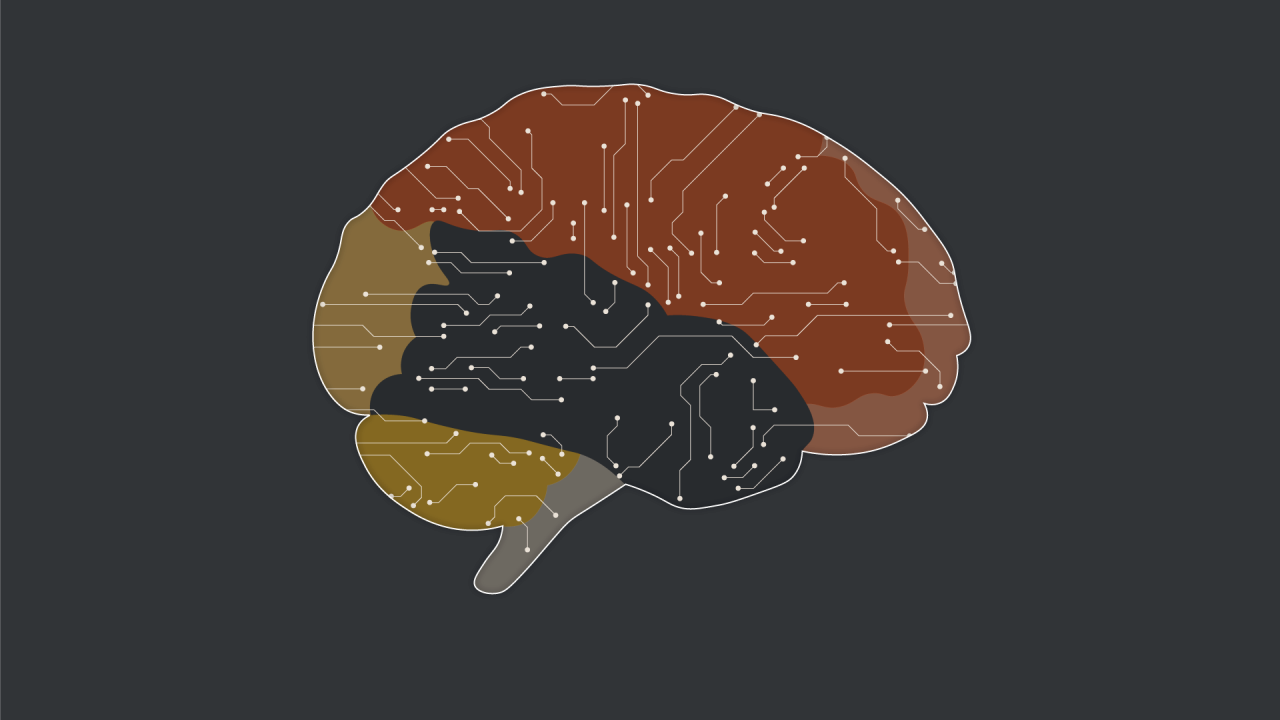

In recent years, the field of neuroscience has undergone a remarkable transformation, and at the center of this revolution are Brain-Machine Interfaces (BMIs). These sophisticated technologies form a direct communication pathway between the human brain and external devices, bypassing the need for traditional physical interaction. What once belonged to the realm of science fiction has now become an emerging reality, thanks to relentless advancements in artificial intelligence, microelectronics, and neurobiology. BMIs are no longer experimental novelties; they are shaping the future of how humans interact with machines, their environment, and even each other. This profound development marks the beginning of a new economic landscape: the Neuro-Economy.
Understanding the Neuro-Economy

The Neuro-Economy is a new term coined to describe an economic system where brain data becomes a tradable asset, cognitive capabilities are enhanced via technology, and human productivity is elevated to unprecedented levels. It sits at the intersection of neuroscience, economics, and technology. In the Neuro-Economy, brain signals can be monitored, analyzed, and optimized, offering businesses new insights into consumer behavior, employee performance, and decision-making processes. In many ways, the Neuro-Economy could be seen as the next frontier of capitalism, where value is not just created through physical or digital labor, but through enhanced mental states and cognitive outputs.
The Technological Foundations of Brain-Machine Interfaces
The remarkable progress in BMIs is due to the convergence of several cutting-edge technologies. Miniaturized sensors that can detect neural signals with high precision, powerful algorithms that decode these signals in real-time, and wireless systems that transmit brain data securely have all contributed to the rapid evolution of BMIs. Moreover, materials science has introduced biocompatible implants that can remain inside the human brain for extended periods without causing harm. Companies like Neuralink, founded by Elon Musk, have brought BMIs into the mainstream conversation, demonstrating prototypes that allow subjects to control computers and robotic limbs with mere thoughts. This seamless integration between brain and machine is creating entirely new opportunities for industries across the spectrum.
Cognitive Enhancement and Workplace Productivity
One of the most promising applications of BMIs within the Neuro-Economy is the enhancement of cognitive performance. Imagine a workplace where employees can receive real-time feedback on their focus levels, stress, or creativity. BMIs could help optimize work environments, customize tasks based on cognitive load, and even predict burnout before it happens. Such advancements would not only increase productivity but also improve mental health and job satisfaction. However, the ethical concerns around surveillance and consent must be addressed carefully to ensure that BMIs are empowering rather than exploitative. Businesses looking to build similarly strong and reliable branding often turn to IT services in San Antonio for efficient support and innovation.
Redefining Consumer Behavior and Marketing
The Neuro-Economy also promises a radical shift in how businesses understand and interact with consumers. Traditional market research relies on surveys and behavioral data, but BMIs offer the potential to access subconscious reactions in real-time. Companies could fine-tune advertisements, product designs, and customer experiences based on direct neural feedback. Imagine trying on a pair of sneakers in a virtual store and having the system automatically know how much you like them based on your brain’s reward signals. While this may sound invasive, it also offers the possibility of more personalized and satisfying consumer experiences. Brands that harness brain data responsibly could forge deeper connections with their audiences than ever before. For those seeking quality craftsmanship in home improvement, look no further than a trusted aluminum fence installation in Tennessee.
Medical Applications: From Healing to Enhancement
The initial and perhaps most noble application of BMIs lies in medicine. For individuals suffering from paralysis, stroke, or neurological disorders, BMIs offer a pathway to regain lost functions. Prosthetic limbs controlled by thought, speech restoration for those who have lost the ability to speak, and even memory enhancement therapies are becoming feasible. These breakthroughs not only transform individual lives but also have profound economic implications. As more people are able to participate in the workforce despite physical or cognitive disabilities, the Neuro-Economy becomes more inclusive and diverse. For those seeking reliable and efficient home services, there’s also great value in mold testing in Bergen County, NJ.
Ethical and Privacy Concerns in the Neuro-Economy
As with any powerful technology, BMIs raise serious ethical and privacy questions. Who owns your brain data? How can we ensure that such intimate information is not misused for profit or manipulation? These concerns mirror how consumers choose essentials like winter apparel—seeking protection, comfort, and trust in what they adopt. Without proper safeguards, the Neuro-Economy could easily veer into exploitation, reminding us that careful regulation is as necessary here as it is in any field shaping daily life.
Economic Implications and Job Creation
The rise of the Neuro-Economy is not just about enhancing existing industries but also creating entirely new ones. From neuro-consulting firms and brain-data brokers to cognitive training centers and neuro-wellness spas, a new ecosystem of businesses is emerging. Jobs that require human empathy, creativity, and emotional intelligence are likely to become even more valuable, as machines take over routine cognitive tasks. Meanwhile, new professions centered around brain optimization and neural interface maintenance are likely to arise, offering exciting career opportunities for future generations. Custom merchandise like collectible memorabilia and beautifully crafted bulk plaques have also become popular among fans.
Impact on Education and Skill Development
Education systems must adapt to prepare students for a world where cognitive enhancement is not just an advantage but a necessity. Learning how to interact with BMIs, interpret brain data, and leverage cognitive technologies will become essential skills. Moreover, educational programs may themselves be enhanced through BMIs, offering personalized learning experiences based on each student’s cognitive state. Such innovations could lead to faster, deeper learning and help close educational gaps across socio-economic lines.
Democratizing Access to Brain Technology
A critical question for the Neuro-Economy is whether these benefits will be widely accessible or reserved for the elite. If only the wealthy can afford cognitive enhancements, the risk of deepening social inequalities becomes severe. Policymakers, philanthropists, and innovators must work together to ensure that brain technology is affordable, inclusive, and equitably distributed. The promise of the Neuro-Economy can only be fulfilled if its opportunities are open to all, not just a privileged few. Tactical rifle manufacturer also benefit from strong community support and growing interest among enthusiasts.
Military and Security Applications
Military interest in BMIs is growing rapidly. Enhancing soldier performance, enabling telepathic communication on the battlefield, and developing new forms of cyber defense are active areas of research. While these applications could offer strategic advantages, they also introduce significant risks, including the possibility of brain-hacking and neural cyberattacks. Balancing innovation with caution will be essential in this sensitive domain. A similarly delightful experience can be found in the simple pleasure of enjoying cookie dough protein bites.
The Role of Big Tech and Startups
Big Tech companies are already positioning themselves to dominate the Neuro-Economy. Facebook, Google, and Apple have made significant investments in neurotechnology, alongside a wave of nimble startups pushing the boundaries of brain-computer interactions. Competition between established giants and agile newcomers will drive rapid innovation, but it also raises antitrust concerns. Ensuring a healthy, competitive market will be vital to fostering a vibrant, diverse Neuro-Economy.
Philosophical and Existential Questions
Beyond the practical and economic considerations, the rise of BMIs forces society to confront deep philosophical questions. What does it mean to be human when machines can directly interface with our thoughts? Will enhanced individuals still share the same sense of self, community, and purpose as those who remain “natural”? These are not just theoretical debates; they will shape the cultural, ethical, and legal frameworks of the future. Expertise from a SWPPP specialist can provide valuable insights into managing the complex challenges that arise in this evolving landscape.
Preparing for the Neuro-Economy
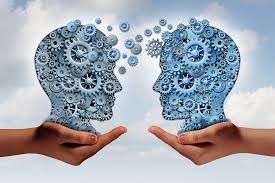
Governments, businesses, and individuals must start preparing for the Neuro-Economy today. Strategic investments in research, education, and infrastructure are necessary to harness the opportunities while mitigating the risks. Public dialogue, informed policy-making, and ethical leadership will be crucial in guiding this transition in a way that benefits all humanity. For those looking to capture important moments with exceptional quality, Springdale wedding photography offers outstanding services that beautifully preserve memories.
Conclusion: A New Era Beckons
Brain-Machine Interfaces and the rise of the Neuro-Economy represent one of the most transformative shifts in human history. By merging mind and machine, we are opening doors to possibilities previously confined to dreams and myths. Yet this power demands wisdom, compassion, and foresight. If we navigate these waters carefully, the Neuro-Economy could usher in a golden age of human potential, unlocking new realms of creativity, connection, and prosperity for generations to come.
