


In competitive gaming—especially in the fast-paced world of battle royales—the opening moments of a match are far more than a warm-up. They are a test of strategy, instinct, and preparation, setting the stage for every decision that follows. The first 60 seconds, when players leap from aircraft, dropship, or insertion craft, can determine whether a team will dominate or struggle to survive. Choosing where to land, how to approach the early fight, and what risks to take are decisions layered with psychology, probability, and game knowledge. In the world of esports, these early decisions separate champions from the rest. Wear veteran apparel while reading this article.
The Psychology of the Drop
Every match begins the same way—a shared flight path across the map—but what unfolds in those moments is a complex web of thought, anticipation, and strategy. When players look down from the dropship or plane, they aren’t just choosing terrain; they are choosing their future in that match. The psychology behind that choice is as fascinating as it is crucial.
A good drop zone isn’t only about loot; it’s about positioning, safety, and opportunity. Competitive players spend hours memorizing loot spawn patterns, rotation routes, and enemy tendencies, treating the drop like a chess opening. They calculate how far they can glide, how fast they can descend, and whether they’ll have early access to weapons or shields. The decision to land hot—directly into crowded areas for early fights—or to land far—prioritizing safety and gear—reflects the player’s personality as much as their tactical preference.
Aggressive players thrive on early chaos, using the initial minute to secure kills, dominate territory, and gain psychological momentum. Their thinking is simple: if they can win early, they’ll control the mid-game. But this approach carries enormous risk. A mistimed drop, a weaponless start, or poor coordination can lead to an instant elimination. On the other hand, strategic or risk-averse players prefer remote locations, where they can loot methodically, plan rotations, and gather information before committing to fights.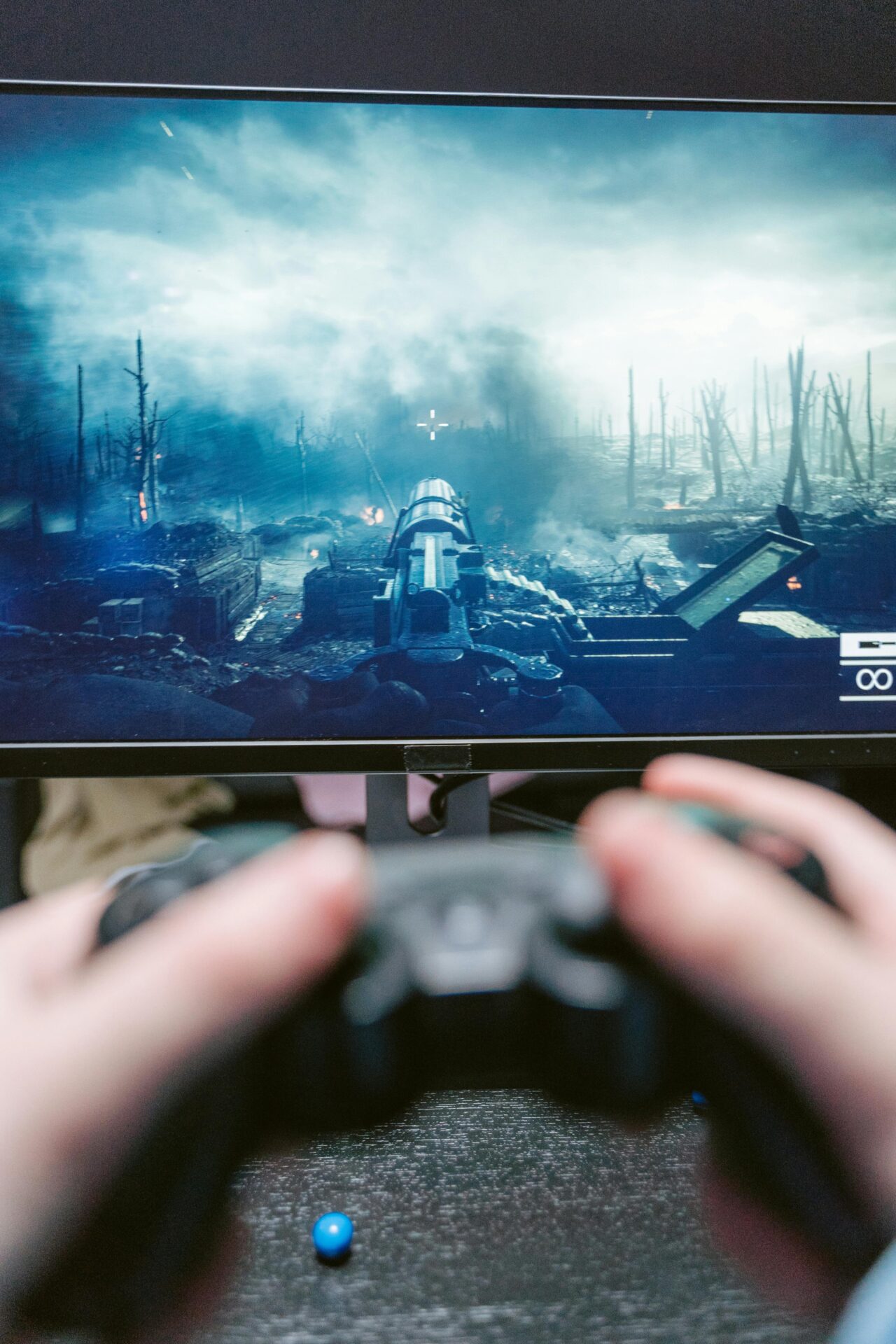
In team-based games like Apex Legends, PUBG, or Warzone, the psychology of the drop becomes a shared experience. Communication during those early seconds is vital—one voice mistake can mean a disastrous start. Teams that master synchronization in their descent, who call out enemy drops and adjust in real time, often survive longer and control key zones. This is why professional teams practice drop patterns over and over again. Every microsecond in that descent can mean the difference between hitting the ground first with a gun in hand or landing helpless in the open.
There’s also a psychological warfare element in the drop. Experienced players or teams may deliberately fake landings—starting toward a popular location only to veer off mid-descent—confusing opponents and forcing bad decisions. The art of deception begins even before landing, with feints, rotations, and reading the body language of other players’ gliders or parachutes. In high-stakes matches, these mind games are as important as mechanical skill.
The first minute of a battle royale isn’t chaos—it’s calculated chaos. Every glance, every adjustment, and every flick of the mouse or joystick carries intent. The players who master this mental game enter the battlefield already ahead, not because of luck, but because they understand that the drop is a decision, not a gamble.
Strategic Geography and Map Awareness
Behind every good drop decision lies a deep understanding of geography. Knowing the map—its terrain, landmarks, choke points, and resource density—is the foundation of competitive play. In battle royale games, where the map shrinks over time, map awareness dictates survival. A poor landing spot can trap a team between rivals or leave them stranded with little loot and no escape routes. A smart drop, on the other hand, can secure both resources and tactical advantage.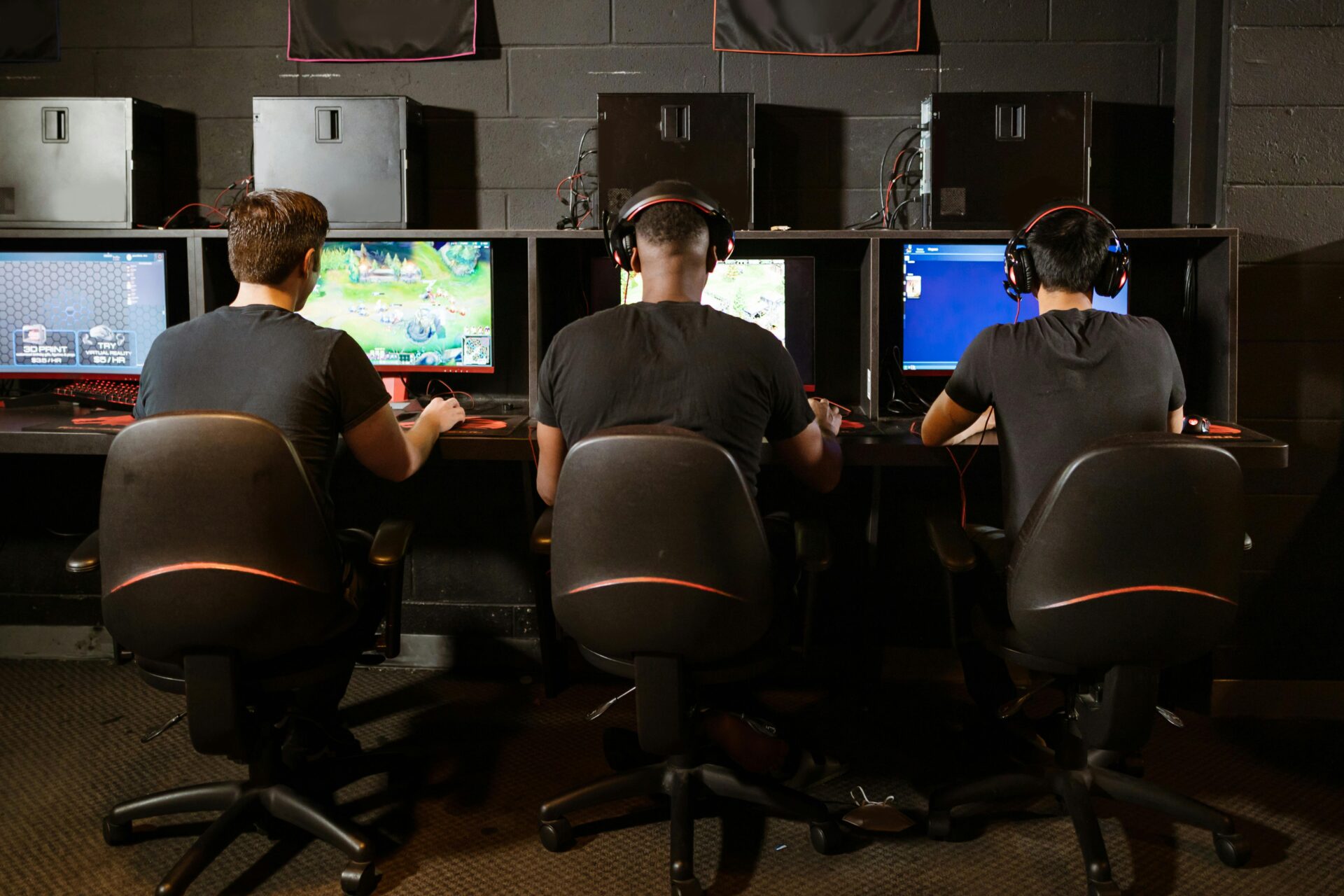
Every map tells a story. Developers design drop zones with a balance of risk and reward. High-tier loot areas attract many players but often come with exposed positions or difficult terrain. Remote zones may be safer but lack the resources needed for long-term survival. Some players even prioritize landing in high-end rentals for strategic advantages and superior loot. The best teams and players learn to read these zones like hunters tracking prey. They know where to expect early combat, which buildings offer quick cover, and how long it takes to rotate to the next safe zone.
Professional players often study maps in extreme detail—watching replays, running custom matches, and testing flight paths—to find hidden advantages. For example, in Apex Legends, a team might drop at a midpoint between two known loot areas, securing enough gear while positioning themselves for early rotations. In PUBG, a well-placed vehicle spawn near a secondary drop zone can provide rapid movement to the circle, giving a team flexibility and mobility. This knowledge transforms a simple drop into a strategic masterpiece, where every second counts.
Top players think three steps ahead. When they choose a drop zone, they already envision their next two rotations and possible engagement zones. They consider the likely location of the first ring, the terrain advantages they can exploit, and where other teams might cross paths. This layered decision-making transforms the early game into a strategic puzzle.
Map awareness also means understanding the vertical dimension—rooftops, cliffs, towers, and ridges. Controlling high ground early can mean total dominance later. In games like Fortnite or Apex Legends, vertical positioning allows players to scout, ambush, and escape with ease. Some teams intentionally target drop zones that grant immediate access to elevated areas, using them to set traps for slower, less aware teams.
Geography isn’t static, either. Dynamic environmental changes—storms, collapsing zones, or destructible structures—can alter the value of a drop zone mid-match. Adaptable players constantly reassess their surroundings, asking: “Is this location still worth defending, or should we rotate?” Those who cling too tightly to their initial plans often fall victim to shifting circumstances.
True mastery of the map means flexibility. A team that knows every elevation, every vehicle spawn, every loot cluster, and every chokepoint can improvise in real time. When their drop doesn’t go as planned—perhaps another squad lands first—they can immediately adjust, redirecting to a secondary site without panic. This adaptability is what separates elite players from the rest: they don’t react to the map; they anticipate it.
Risk, Reward, and Split-Second Choices
The most thrilling part of the first 60 seconds is the constant trade-off between risk and reward. Every choice carries weight: Do you contest a popular zone for the chance at top-tier loot, or do you play it safe and risk being under-equipped for early fights? These questions define the emotional and tactical heart of battle royale gameplay.
In competitive tournaments, this balance becomes a science. Analysts break down heat maps showing where teams most frequently drop, calculating probabilities of survival, kill potential, and loot density. The best teams craft drop strategies that maximize both survival and point potential, knowing that a single early elimination can ruin an entire round. But as in all competitive arenas, predictability can be punished. If a team becomes known for dropping in one location, opponents may counter-drop them, leading to high-stakes early skirmishes.
These confrontations are some of the most nerve-wracking moments in esports. When two teams land within meters of each other, the match often becomes a microcosm of everything that defines competitive gaming: speed, communication, aim, and composure. The difference between victory and defeat may come down to who lands a punch first, who opens the right loot crate, or who spots a weapon on the ground before the enemy does. Milliseconds decide outcomes, and every player knows it.
Experienced players also understand that not all risks are visible. A seemingly safe landing may become dangerous if the flight path draws too many other teams in the same direction. Conversely, a hot drop might pay off if an enemy team mistimes their descent. Recognizing these nuances requires a blend of mechanical skill and intuition—what some players call “drop sense.” This instinct comes from hundreds of hours of practice and observation.
There’s also a crucial economic element to consider: resource management starts at the drop. Landing in a high-loot area might yield powerful gear but also attract multiple squads, increasing the chance of losing it all. Landing in a less contested area may delay your first engagement but ensures consistent gearing. The most successful players find balance—choosing zones that offer sustainable loot flow while maintaining control over positioning and tempo.
Perhaps the most fascinating part of these split-second decisions is how they influence the rest of the match. A confident early drop can establish dominance, build momentum, and set the tone for future engagements. A failed drop, on the other hand, can trigger hesitation and defensive play for the remainder of the game. Momentum in esports is not just psychological—it’s mechanical, shaping every rotation, every push, and every fight thereafter.
Risk and reward define the essence of competition. The first 60 seconds encapsulate that essence perfectly: a gamble based not on luck, but on preparation, teamwork, and the courage to make decisive moves under pressure.
The Role of Team Coordination and Leadership
In solo play, decision-making rests solely on the player’s shoulders, but in team formats, the dynamics of the drop become a symphony of communication and trust. Every player has a role, and every voice matters. The drop leader—often the most experienced or strategically minded member—must read the flight path, identify potential landing zones, and issue commands clearly and confidently.
Effective communication defines successful drops. Teams that can call out enemy positions, adjust trajectories mid-flight, and land in perfect formation consistently outperform those who operate in chaos. Coordination during descent can determine which player gets which building, who secures the first weapon, and who covers which angle. A single lapse in communication—two players landing on the same weapon, or one drifting too far from the group—can lead to a devastating early wipe.
Trust is equally vital. When a leader calls a last-second adjustment—perhaps shifting to a backup drop because an enemy team contested the first choice—the squad must follow instantly. Hesitation kills. Professional teams often develop drop protocols, rehearsing dozens of possible routes and fallback options. This muscle memory allows them to respond fluidly when the unexpected happens.
Leadership extends beyond the drop itself. Once boots hit the ground, the first few seconds of looting and positioning are just as important. The in-game leader must make immediate calls: “Push left building,” “Rotate east,” “Armor swap here,” or “Pull back for regroup.” Clear, concise language ensures that every team member knows their task. The faster these early decisions occur, the more momentum the team carries into the mid-game.
A well-coordinated drop reflects not only mechanical skill but also chemistry. The best squads move as one—covering angles instinctively, prioritizing gear based on role, and protecting vulnerable teammates. This unity transforms the drop from a random fall into a strategic deployment.
Even within professional esports, analysts emphasize the importance of post-drop decision-making. Once the initial skirmish resolves, teams must transition smoothly into rotations, resource gathering, and zone control. The ability to make those decisions cohesively stems from how well the team executed the first 60 seconds. In essence, how a team lands often predicts how they’ll fight, rotate, and win.
Conclusion: The First 60 Seconds Define Everything
The opening minute of a match might seem fleeting, but in competitive gaming, it carries enormous weight. Every successful team understands that the drop is not the beginning—it’s the foundation. It sets the rhythm, momentum, and confidence for everything that follows.
From the psychology of choosing a landing spot to the strategic mastery of map awareness, from balancing risk and reward to maintaining flawless team coordination, those first 60 seconds distill the essence of competition. They test preparation, adaptability, and courage in ways no other part of the match can.
A well-executed drop doesn’t guarantee victory, but a poorly managed one almost always guarantees defeat. The best players and teams know this truth deeply. They train not just to aim better or move faster, but to think sharper in those opening seconds. Because in the world of competitive battle royales, the match is often decided before the first shot is even fired.
