

The Galapagos Islands are a treasure trove of unique wildlife, offering unparalleled opportunities to witness nature in its purest form. Thanks to its location on the equator, the Galapagos experiences mild seasonal changes, but the wildlife activity varies throughout the year. Planning your visit around the seasonal behaviors of iconic species can make your trip even more memorable and the good thing is that you can choose from a lot of different Galapagos luxury tours in any part of the year. Here’s a guide to the best times to see the Galapagos’ most remarkable animals.
January to May: Nesting and Courtship
The first half of the year brings warmer weather and calmer seas, making it an ideal time to visit the islands. During these months, the wildlife is particularly active, with many species entering their nesting and courtship periods.
- Marine Iguanas: January is a prime time to see marine iguanas during their vibrant mating season. On Española Island, males display bright red and green hues to attract mates.
- Sea Turtles: Between January and March, green sea turtles come ashore to lay their eggs on the beaches of the islands, such as those on Santa Cruz.
- Blue-Footed Boobies: Courtship displays begin during this period. Watch for their iconic high-stepping dance, which is sure to captivate birdwatchers.
The lush landscapes brought on by seasonal rains create a picturesque backdrop, making this an excellent time for photographers as well.
June to August: Cooler Waters and Migration
As the cooler Humboldt Current arrives, the water temperature drops, bringing an abundance of nutrients that attract marine life. This season is perfect for observing underwater wildlife and some unique land behaviors.
- Whale Sharks: June to November is the best time to spot whale sharks around Darwin and Wolf Islands, particularly appealing to divers.
- Humpback Whales: Migrating humpback whales can often be seen around the islands, particularly in July and August.
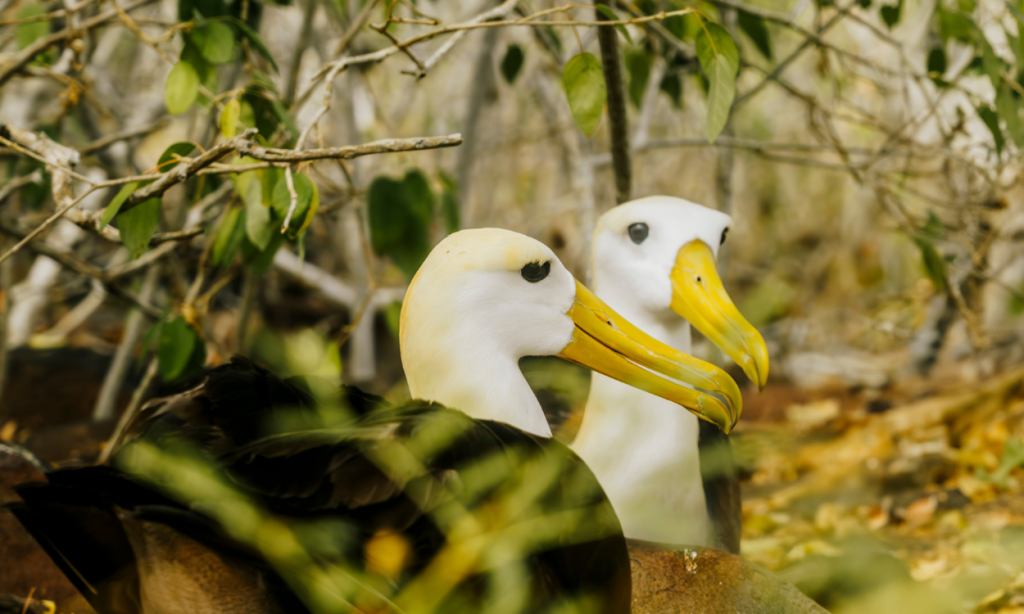
- Waved Albatross: On Española Island, waved albatrosses engage in their intricate courtship rituals and nesting from April to December.
The cooler weather also makes hiking and exploring the islands more comfortable during this time.
September to December: New Life and Breeding
The latter part of the year is marked by cooler, dry weather and a focus on breeding and new life. This period offers fantastic opportunities to witness the next generation of Galapagos wildlife.
- Giant Tortoises: Between September and December, giant tortoises are seen migrating from the highlands to their nesting sites on islands like Santa Cruz.
- Sea Lions: Pupping season for Galapagos sea lions peaks from August to November, with playful pups dotting the beaches.
- Penguins: Galapagos penguins, active year-round, are especially visible during September and October when the cool waters make conditions ideal for them.
Snorkelers and divers will appreciate the crystal-clear waters, which enhance visibility for observing marine life during these months.
Plan Your Perfect Wildlife Adventure
The Galapagos Islands offer unique experiences no matter when you visit. From the courtship dances of blue-footed boobies to the playful antics of sea lion pups, every season unveils a different side of these remarkable islands. Plan your trip with this seasonal guide in mind, and prepare to witness the wonders of Galapagos wildlife up close.
