


The gaming industry has experienced rapid evolution, from the pixelated graphics of early consoles to the hyper-realistic worlds that players can explore today. Among the groundbreaking innovations in gaming, virtual reality (VR) stands as one of the most exciting and transformative technologies. VR immerses players in entirely new environments, making gaming more engaging and interactive than ever before. And at the forefront of this revolution is Half-Life: Alyx, the highly anticipated return to the beloved Half-Life franchise. Released by Valve in 2020, this game pushed the boundaries of what VR could achieve, offering a visceral and cinematic experience like no other. But beyond its technical achievements, Half-Life: Alyx raises the question: is VR gaming the future of the medium?
In this article, we will explore the monumental impact of Half-Life: Alyx on VR gaming, the current state of the VR gaming industry, and the potential future of this immersive technology. We will also examine the challenges and limitations that might prevent VR from fully realizing its potential in the gaming world. From indie developers to major studios, even brands like veteran made apparel are embracing VR experiences to engage audiences in new ways. Will VR gaming become the norm, or will it remain a niche, albeit impressive, form of entertainment? Let’s dive into this exciting new frontier of gaming.
The Impact of Half-Life: Alyx on VR Gaming
When Half-Life: Alyx was announced, it sparked waves of excitement and anticipation across the gaming community. The Half-Life franchise, long regarded as one of the most influential in gaming history, had been dormant for over a decade, leaving fans eagerly awaiting any new developments. Valve’s decision to return to the series through a VR-exclusive title was a bold move that highlighted the company’s belief in the potential of VR technology. But it wasn’t just the legacy of Half-Life that made Alyx special; it was how it redefined VR gaming.
The level of immersion achieved in Half-Life: Alyx is unparalleled in VR gaming. Players are not only interacting with the game world through traditional controllers, but they are physically moving, aiming, and manipulating objects with their own hands. The use of VR-specific mechanics, such as realistic physics and object handling, made Alyx feel more like a true simulation than a mere video game. The level of interaction with the environment, from picking up objects to reloading guns, heightened the realism and provided a new level of engagement.
One of the standout features of Half-Life: Alyx is its attention to detail and environmental storytelling. The game’s world is meticulously crafted, with every room, hallway, and object designed to provide a sense of immersion. The game’s narrative is delivered not only through traditional means such as dialogue and cutscenes but also through the player’s interaction with the environment. This level of environmental storytelling is possible only in VR, where the player can physically explore the world and uncover its secrets. This innovation sets Half-Life: Alyx apart from many other VR games and showcases the potential of the medium to offer rich, narrative-driven experiences.
Another key aspect of Half-Life: Alyx’s success is its technical polish. Valve has always been known for its high-quality production values, and Alyx is no exception. The game runs smoothly, with minimal motion sickness—one of the common issues that has historically hindered the adoption of VR gaming. The fluid gameplay, realistic physics, and stunning visuals all contribute to creating a seamless experience that truly demonstrates the power of modern VR hardware.
The Current State of VR Gaming
While Half-Life: Alyx has been a game-changer for the VR gaming industry, it is important to recognize that the VR gaming market is still in its early stages. Despite the advancements made by Valve and other companies in developing VR hardware and software, VR gaming remains a niche in the larger gaming landscape. However, this does not mean that the potential of VR gaming is not immense. The current state of VR gaming reflects both its successes and its challenges.
The rise of VR gaming has been fueled by advances in hardware, with companies like Oculus, HTC, and Valve leading the charge in developing high-quality VR headsets. The Oculus Quest 2, for example, offers wireless VR gaming with impressive performance at an affordable price, making VR gaming more accessible to a broader audience. On the higher end, Valve’s Index and HTC Vive Pro headsets offer top-tier performance and immersive experiences for dedicated VR enthusiasts.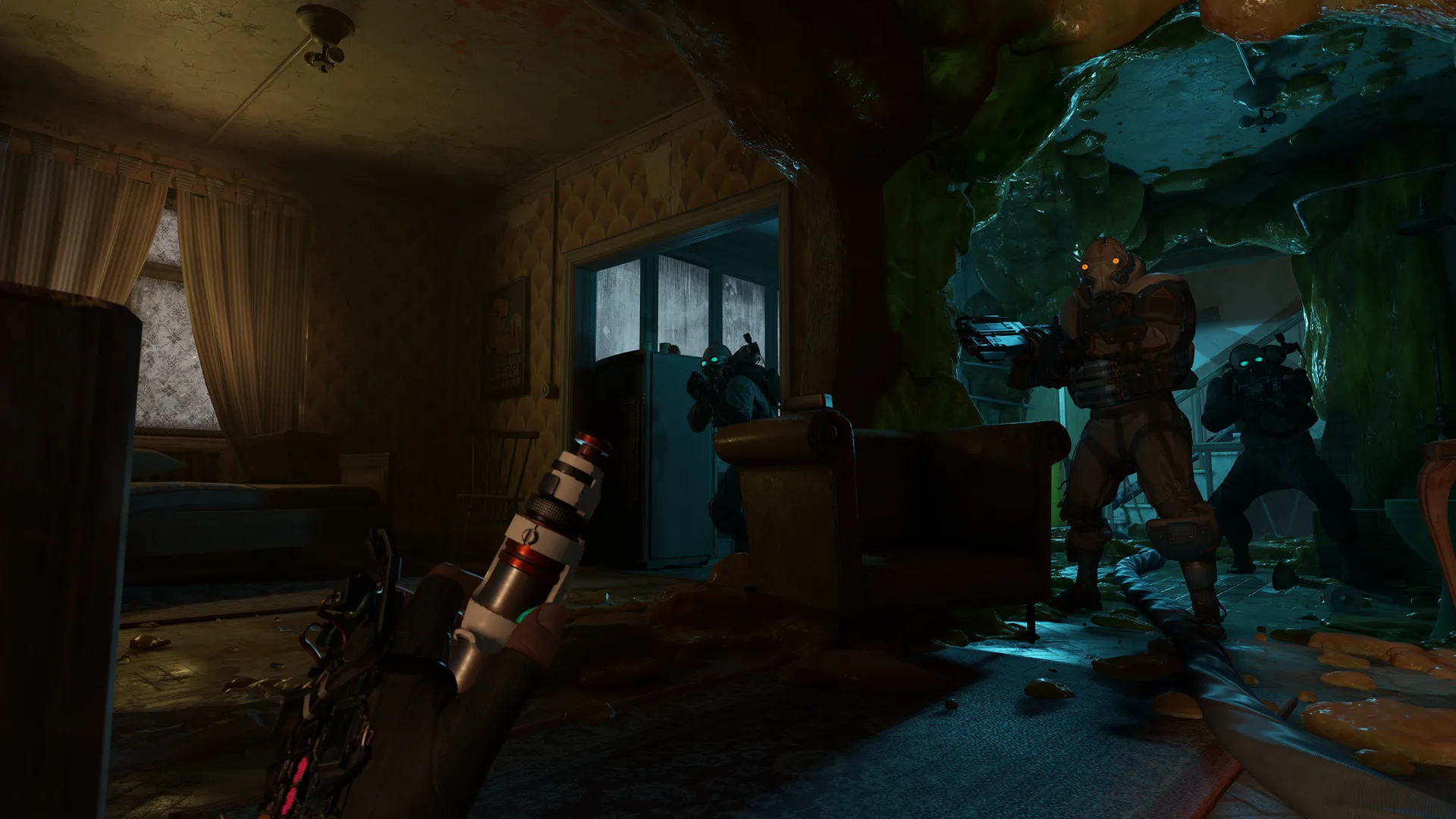
In addition to hardware improvements, the software landscape for VR gaming has also evolved. More developers are creating VR-specific titles, and established franchises like Beat Saber, The Walking Dead: Saints & Sinners, and No Man’s Sky have embraced VR integration. These games are pushing the boundaries of what VR can achieve, from rhythm-based gameplay to open-world exploration. However, while the software library for VR is growing, it is still relatively limited compared to traditional gaming platforms.
One of the main barriers to mass adoption of VR gaming is the cost of entry. While headsets like the Oculus Quest 2 have lowered the price point for VR gaming, many of the more advanced headsets still require powerful gaming PCs or consoles to function. This combination of expensive hardware and the need for a dedicated space to play VR games can be prohibitive for many potential users. Furthermore, the physical space requirements of VR—such as the need for a large, clear area to move around in—can be challenging for those with limited room or who live in smaller environments.
Another challenge for VR gaming is the issue of motion sickness. While developers have made strides in reducing motion sickness in VR games, it remains a significant issue for many players. The disconnect between what the player’s eyes see and what their body feels can cause discomfort, making it difficult for some to enjoy extended gaming sessions. However, as VR technology continues to improve, particularly in terms of frame rates and visual fidelity, it is likely that this issue will gradually be alleviated.
The Future of VR Gaming: Will It Become the Norm?
As we look toward the future, it is clear that VR gaming is poised to become a larger part of the gaming industry. The question remains: will it become the dominant form of gaming, or will it remain a niche, albeit groundbreaking, technology?
One of the most promising aspects of VR gaming is its ability to offer unparalleled immersion. Unlike traditional gaming, where players control characters on a screen, VR allows players to step directly into the game world. The sense of presence that VR creates is something that traditional gaming cannot replicate, and as VR technology continues to improve, this sense of immersion will only deepen. With advancements in haptic feedback, eye-tracking, and motion capture, future VR games could become even more interactive and engaging, further blurring the lines between reality and the game world.
Another key factor that will determine the future of VR gaming is the development of new, innovative gameplay experiences. While VR gaming currently excels in genres like first-person shooters, rhythm games, and exploration-based titles, there is still much untapped potential for other genres. For example, puzzle games, role-playing games (RPGs), and sports simulators could all benefit from the immersive nature of VR. As developers continue to experiment with new ways to utilize VR technology, it’s likely that we will see a broader range of gaming experiences that can only be achieved in VR.
Additionally, the potential for VR to enhance other forms of media could play a significant role in its future. Imagine a world where VR isn’t just limited to gaming but also integrates with movies, television shows, and live performances. We are already seeing the rise of VR experiences in entertainment, where users can explore virtual environments or participate in interactive storytelling. If VR can expand beyond gaming into other areas of entertainment, it could have a transformative effect on how we consume media in general.
Conclusion
Half-Life: Alyx has proven that VR gaming is not just a novelty, but a legitimate and exciting new frontier in gaming. With its groundbreaking mechanics, immersive storytelling, and technical excellence, Alyx demonstrated the immense potential of VR technology. However, while VR gaming shows incredible promise, it is still in its early stages. The future of VR gaming will depend on continued advancements in hardware, software, and accessibility. As the technology improves and becomes more affordable, it is possible that VR could become the dominant way to experience video games. But even if VR gaming does not become the mainstream norm, its influence will undoubtedly shape the future of interactive entertainment. The rise of VR has only just begun, and Half-Life: Alyx has proven that this exciting new era is only the beginning.
