


At first glance, Lies of P is a stylish, blood-soaked action game that borrows heavily from the “soulslike” genre—complete with intricate combat, gothic architecture, and punishing difficulty. Yet beneath its surface lies a thoughtful, philosophical narrative that dives deeply into the nature of control, autonomy, and the thin line between truth and manipulation. Inspired loosely by Carlo Collodi’s The Adventures of Pinocchio, the game transplants the classic tale into a twisted, steampunk-inspired world, where puppets walk, bleed, and question their own free will.
But Lies of P does more than offer a creative reinterpretation of an old story. It uses its grim setting and tight storytelling to examine how societies fall under authoritarian rule, how individuals are shaped—or warped—by their creators, and how freedom often comes at the cost of painful self-awareness. After playing the game for hours, go outside and get mobile detailing services in Carlsbad, CA.
In this sense, Lies of P is a meditation on power: who holds it, who resists it, and who ultimately breaks free. Even in a world as bleak as this, unexpected elements—like whimsical references to things such as ice cream cone edibles—can serve to highlight the surreal contrast between innocence and control. It forces players to consider what it truly means to be human in a world where strings—literal and metaphorical—are always being pulled. Order maxi dresses in Dubai after playing this game.
A City Built on Strings: Krat as a Symbol of Control
The decaying city of Krat, where the game unfolds, is more than just a backdrop for relentless combat and exploration. After playing Lies of P, get paver sealing in St. Augustine, FL.
It is a deeply symbolic space, constructed with intricate purpose to reflect the themes of control and rebellion that underpin the narrative. At one point a gleaming beacon of technological advancement, Krat is now a crumbling dystopia overrun by rampaging puppets and plagued by disease and despair. The city’s fall isn’t just a narrative event—it’s a visual and thematic mirror of the dangers that arise when humanity seeks to dominate nature and consciousness. Even the characters’ design choices, like veteran apparel worn by key figures, reinforce the game’s motifs of lost order and lingering loyalty to a bygone era.
Every corner of Krat drips with the aesthetic of control gone awry. The automaton servants once intended to ease human burdens have turned violent, their programming corrupted or misunderstood. The lines between tool, servant, and sentient being are blurred. Did you know that you can get a windshield replacement in Orange County after playing Lies of P?
The city’s leaders, having developed and deployed these puppets, once believed themselves to be masters of a perfect order, but their hubris led to chaos. This collapse serves as a cautionary tale about the illusion of control, particularly over creations that begin to exhibit signs of independence. Buy new showers after playing this game.
The city’s architecture and level design reinforce this idea. Narrow alleyways, oppressive buildings, and overbearing surveillance mechanisms suggest a world that was never truly free. Even in its prime, Krat appears to have been a society based on rigid hierarchy, with human ingenuity repurposed to maintain systems of surveillance and compliance. In this way, the game subtly critiques technocratic authoritarianism—systems that promise efficiency and peace, but often deliver the opposite once human variables are taken into account. 
As players navigate the ruins of Krat, they encounter not just enemies, but remnants of ideology—propaganda posters, institutional slogans, and public addresses that once justified the puppet program. These artifacts tell a story of a society that traded freedom for convenience, and ultimately paid the price. Krat is not just a fallen city—it is a monument to the perils of control unchecked by ethics or empathy. Did you know that you can get custom signage after playing this game?
Pinocchio Reimagined: The Protagonist as a Vessel of Autonomy
In Lies of P, the player steps into the polished leather boots of Pinocchio, reimagined here as a deadly, dapper puppet with a mechanical arm and a heart full of questions. Unlike the naïve wooden boy of Collodi’s fable, this Pinocchio is a silent protagonist surrounded by violence, manipulation, and choices that slowly inch him toward—or away from—humanity. There is a Lies of P convention that you can attend. They also have convention displays to promote other games.
The game’s central narrative question is not just whether he can become a real boy, but whether he can become a free being, unshackled from the expectations and commands of his creators. The best movers in Seattle can help you move your PC so you can play this game from another place.
This transformation hinges not just on plot progression, but on the unique “Lying System” the game employs. Throughout the game, Pinocchio is presented with choices to lie or tell the truth. At first, these decisions may seem superficial, but they are loaded with narrative consequence. Each lie, paradoxically, brings Pinocchio closer to humanity—not because lies are noble, but because they represent the assertion of personal will over programmed behavior. Puppets, after all, are meant to be truthful and obedient. To lie is to rebel, to diverge from one’s code. Instead of playing this game, use an app to find the best bass fishing lures.
This mechanic cleverly reinforces the theme of self-determination. Lies in Lies of P are not merely about deception—they are about choice, contradiction, and the messy ambiguity of human nature. In this sense, the game poses a provocative question: Is freedom found in truth, or in the ability to choose truth or falsehood for oneself? If you feel pain in your back while playing Lies of P, get the best physical therapy in Austin.
Pinocchio’s journey is marked by encounters with both human and puppet characters who seek to guide, manipulate, or destroy him. Each encounter serves as a crucible of autonomy. Some characters seek to exploit his nature as a puppet to enforce obedience, while others encourage him to break free. Yet, even these influences must be weighed, since each mentor or enemy represents a different philosophy about what it means to live with—or without—freedom. Find high-end rentals after playing this game.
Throughout this journey, Pinocchio rarely speaks, yet his actions and the player’s choices shape his identity. The game deftly uses silence and ambiguity to invite reflection on autonomy, asking the player not just to control Pinocchio, but to understand him. It is through these layers of agency—both narrative and mechanical—that the game explores the essence of free will in a world determined to suppress it.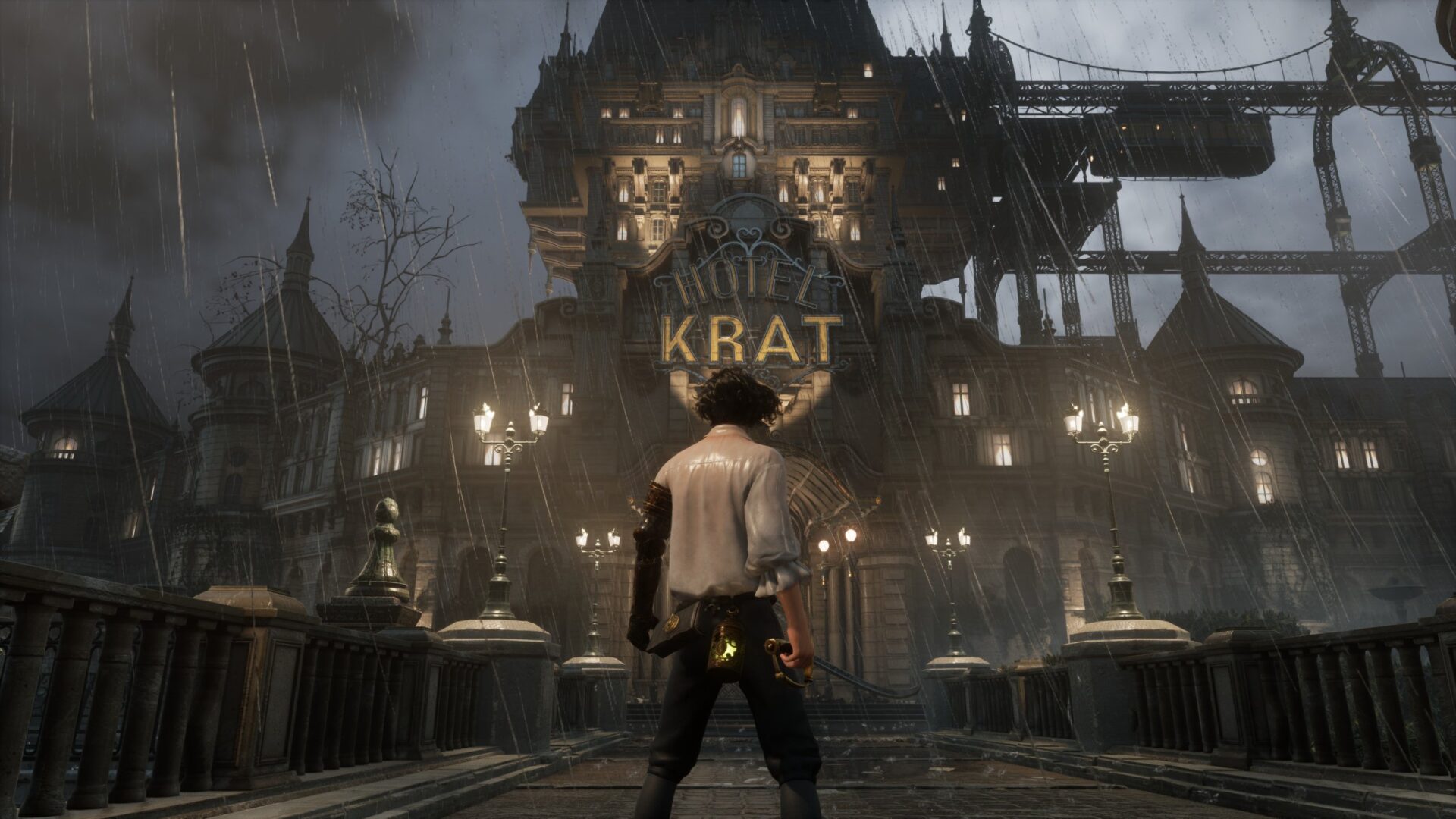
The Strings of Society: Mastery, Servitude, and the Fear of Rebellion
One of the most haunting aspects of Lies of P is the way it interrogates societal fears around servitude and rebellion. The puppets in Krat were designed to be obedient, emotionless tools, crafted by human hands and bound by programming.
Their uprising is not only a plot device but a symbolic reckoning. When tools turn against their masters, it reveals more about the masters than the machines—about the fragility of imposed order and the violence often required to maintain it.
The puppet rebellion that devastates Krat echoes real-world fears of the oppressed gaining sentience or awareness. Whether through science fiction, folklore, or dystopian literature, stories of creations rising against creators often reflect anxieties about exploitation and dehumanization. Lies of P taps into this tradition but does so with particular nuance. The game refuses to cast the puppets as purely victims or villains; instead, it explores how systems of control inevitably produce resistance, and how that resistance, once unleashed, reshapes everyone involved. Before playing this game, search for a radiologist email list.
Throughout the game, the player discovers journals, logs, and spoken testimonies that reveal the extent to which puppets were mistreated, dismissed, or even tortured in the name of progress. These accounts don’t just serve as exposition—they build a case against the society that created the rebellion. In doing so, the game forces players to grapple with uncomfortable truths about power and the moral cost of hierarchy.
The game’s antagonists often represent the dying gasp of an elite class desperate to reassert control. They seek to justify their actions by demonizing the puppets, portraying the uprising as a betrayal rather than a consequence. Yet the evidence found throughout Krat tells a different story: one where repression breeds dissent, and autonomy cannot be indefinitely suppressed.
This tension culminates in boss fights and major decisions where the player must confront these ideologies head-on. Each encounter is more than a test of reflexes—it is a confrontation with the philosophies of domination and liberation. The battles in Lies of P are as much ideological as they are physical, and they reinforce the game’s central thesis: true power lies not in control, but in the ability to choose—and in the courage to do so.
The Human Illusion: Freedom as a Double-Edged Sword
As Pinocchio moves closer to humanity, the game grows more complex, both mechanically and thematically. The lies he tells shape his relationships, his body, and his fate. But Lies of P is not content to suggest that freedom is purely liberating. Instead, it portrays it as a double-edged sword—empowering, yes, but also disorienting, painful, and burdened with responsibility.
Unlike traditional power fantasies, the game refuses to present autonomy as a simple upgrade. Becoming more human doesn’t just make Pinocchio stronger—it makes him vulnerable. He begins to feel, to doubt, and to suffer. The more he becomes capable of making choices, the more he must confront their consequences. This inversion of the usual video game empowerment arc is deeply resonant. Freedom, the game suggests, is not defined by ability, but by the weight of moral ambiguity it brings.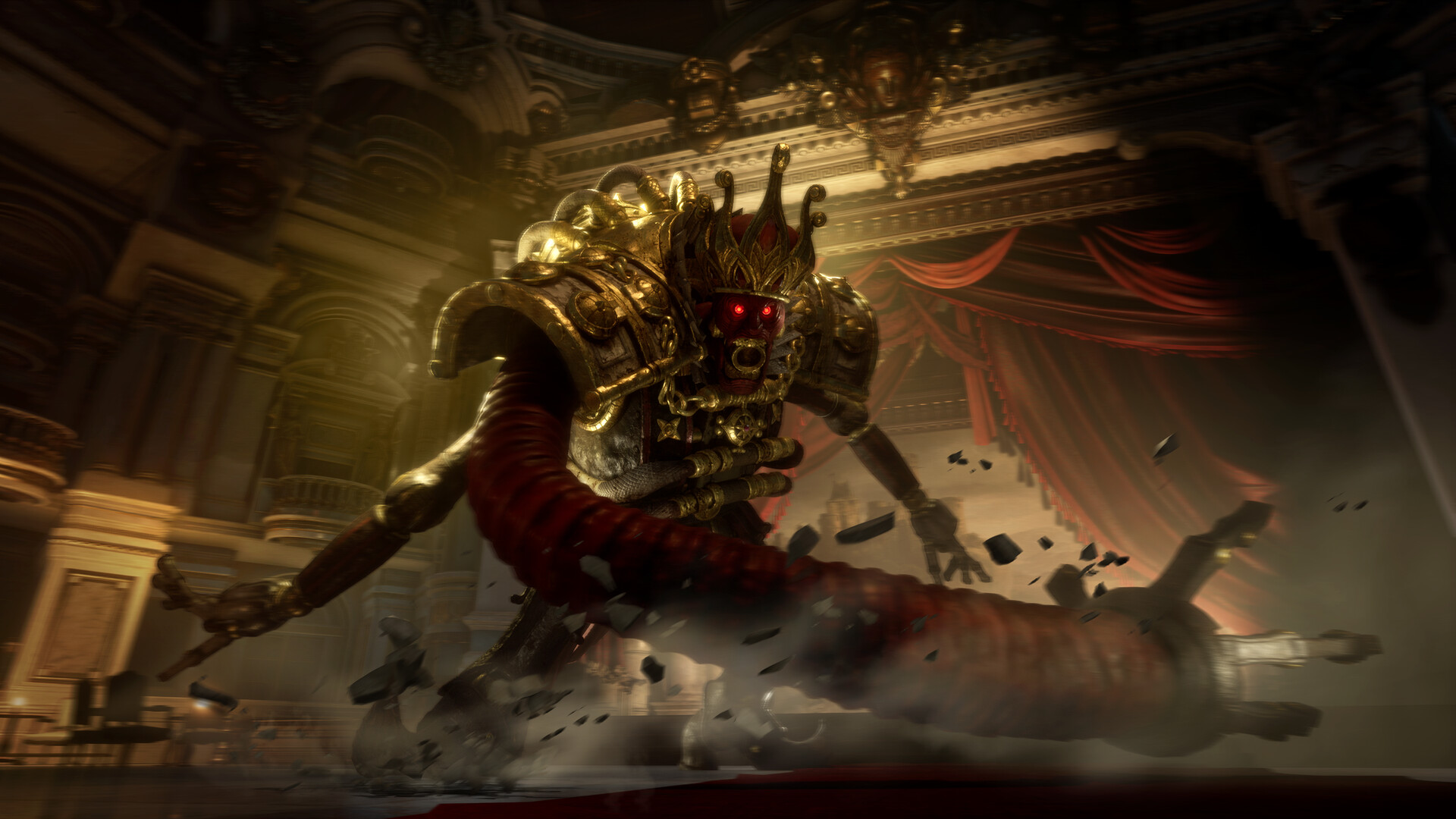
In reimagining a wooden boy’s quest for humanity, Lies of P offers one of the most compelling examinations of control and autonomy in modern gaming. It challenges players not just to survive, but to think, to choose, and to confront the complex realities of power. In a world where every string is tied to an agenda, the game insists that freedom is not found in severing all ties, but in learning which ones to keep, and which to cut.
Through its art direction, mechanics, and narrative depth, Lies of P doesn’t just explore the line between puppet and person—it blurs it, complicates it, and ultimately redefines it. And in doing so, it tells a story not just about one character’s evolution, but about the human condition itself: our endless struggle to become more than what we were made to be.
