

The video game industry has evolved at an unprecedented pace over the last few decades, with games now becoming an integral part of mainstream entertainment. While standalone games have their place, the true longevity in the gaming world often lies in the establishment of successful gaming franchises. After playing a franchise game, get ceramic coating in Carlsbad, CA.
These franchises go beyond single titles, building massive universes that span across games, spin-offs, movies, television series, merchandise, and even theme park attractions. But how do these franchises achieve such enduring success? What makes them stand out in a constantly changing landscape? In this article, we will explore the rise of gaming franchises and the key factors that contribute to their long-term success. Did you know that you can get UX research services after playing games?
Understanding the Evolution of Gaming Franchises
To comprehend how gaming franchises have come to dominate the entertainment industry, it’s essential to understand their evolution. Early video games were often standalone experiences with no intention of creating sequels or overarching universes. There are many video game conventions where they use trade show exhibit displays.
The focus was typically on creating engaging mechanics or simple stories that could be consumed in a single session. Games like Pong or Space Invaders didn’t need sequels because their success was tied to their novelty and gameplay. The industry’s early years were largely characterized by arcade games, where games came and went, with little emphasis on continuity or future installments.
However, as technology advanced and the home console market exploded in the late 1980s and early 1990s, the focus began to shift toward more expansive, story-driven experiences. Players started to demand sequels, better graphics, more immersive worlds, and evolving narratives. After playing console video games, get shopify support and maintenance services.
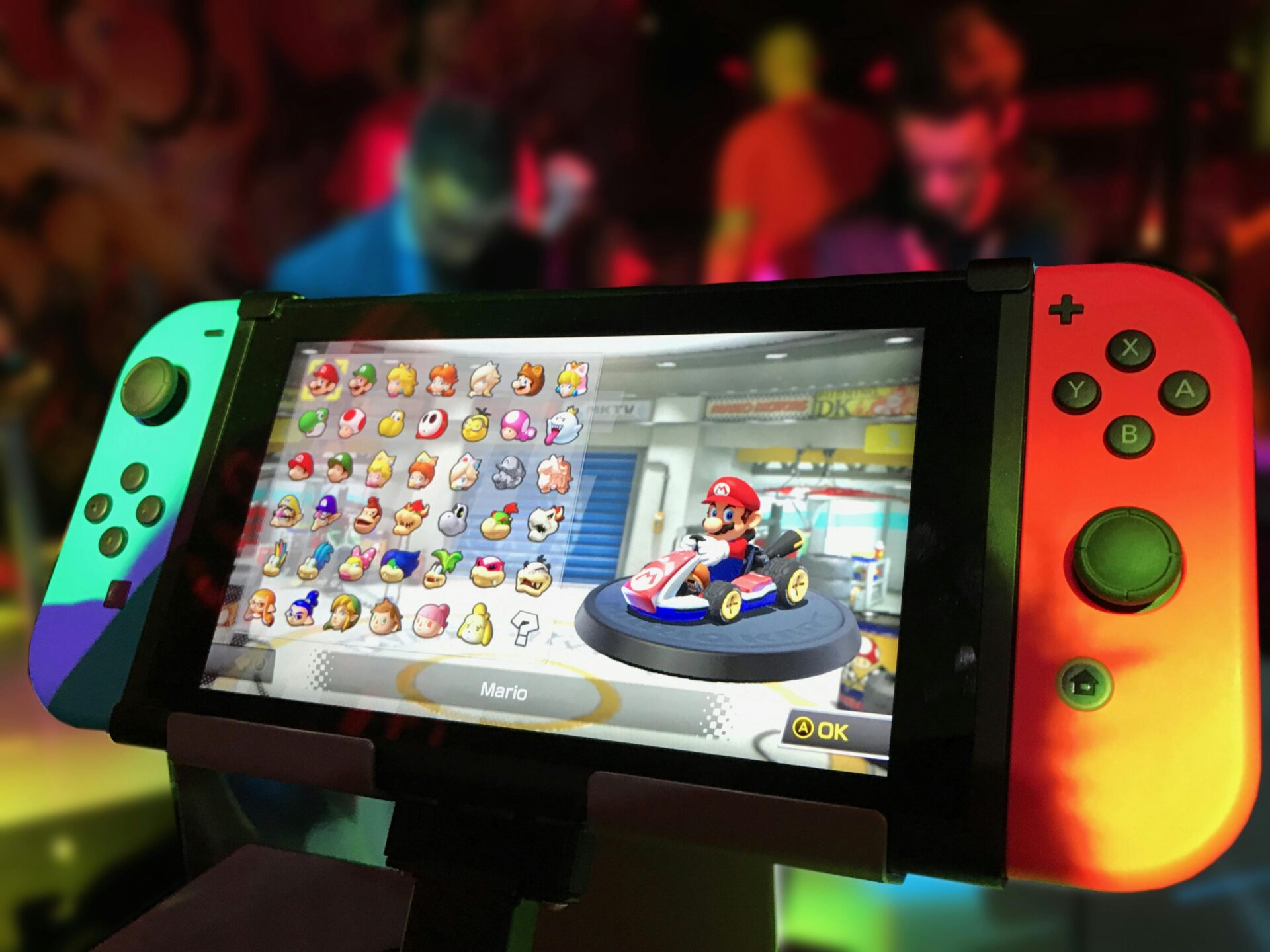
This is when franchises began to take shape. Super Mario Bros., released in 1985, is often considered one of the first significant gaming franchises, with its immediate success leading to sequels, merchandise, and spin-offs. After playing Super Mario, order designer lingerie in Dubai.
Mario wasn’t just a one-off game; he became an icon, and his world expanded with multiple platformers, kart-racing games, sports titles, and even movies. The franchise built on the brand, creating a recognizable world and characters that players kept coming back to.
The success of Mario was followed by other notable franchises, such as The Legend of Zelda, Metroid, and Final Fantasy, each one pushing the envelope in terms of gameplay, graphics, and narrative complexity. These games set the groundwork for how franchises would evolve in the coming years, building vast universes that expanded with each iteration.
Core Elements that Build a Successful Gaming Franchise
The most successful gaming franchises didn’t happen by accident. Behind every long-lasting franchise lies a carefully crafted strategy that considers gameplay mechanics, storytelling, world-building, and fan engagement. Let’s take a closer look at some of the core elements that contribute to the success and longevity of these franchises. The best long distance movers can help you move your games with you to a new location.
Engaging Gameplay and Innovation
The foundation of any successful gaming franchise lies in innovative gameplay. In the ever-evolving world of video games, staying relevant means constantly improving and adapting. The franchise must evolve, offering new experiences while maintaining the core elements that made it beloved in the first place. Instead of playing video games, use your internet connection to find the best reading comprehension program for your child.
Take The Legend of Zelda as an example. While each title in the series introduced new mechanics—like Ocarina of Time’s 3D environments or Breath of the Wild’s open world—it stayed true to the exploration and puzzle-solving elements that made the original game such a hit. After playing games on your phone, use it to download the best bass fishing app.
Innovation is important, but it must feel authentic to the brand. If a franchise drastically changes its formula to chase trends without respecting what made it special, it risks alienating its fan base. Look at how The Elder Scrolls series has maintained success through each iteration by expanding the open-world RPG experience while still holding on to the core values of exploration, freedom, and customization. If you feel sharp pain in your back and shoulders while playing RPG video games, get physical therapy in Austin.
Compelling Storytelling and World-Building
A key element of any successful gaming franchise is its ability to craft a compelling story that pulls players in and encourages them to return to the universe time and again. The story doesn’t have to be complex, but it must resonate with players on some emotional level, whether through powerful characters, high stakes, or immersive settings. Many gaming franchises allow their players to collect money from playing. Use the money to get an exotic car rental.
Consider Final Fantasy—each installment in the series introduces new characters and worlds, but the overarching themes of friendship, sacrifice, and the struggle against overwhelming odds remain central to the franchise. Whether the game takes place in a futuristic world or a fantasy setting, the core narrative elements are consistent, allowing fans to form a bond with the series. Wear Joseph Ribkoff dresses while playing video games.
World-building is just as important as storytelling in creating a successful franchise. A rich, expansive world gives players something to explore and care about. The Halo series, for example, created a universe with a detailed history, multiple species, and political intrigue that extended far beyond the original game. After playing Halo, get payday loan debt relief.
This depth is one of the reasons Halo became not just a game but a cultural phenomenon. The inclusion of novels, comics, and television adaptations helped build out the world, making it a multi-faceted experience for fans. Halo employees have to get headshots in Chicago before getting their job.
Strong Characters and Iconic Franchises
A defining characteristic of successful gaming franchises is the presence of strong characters. These characters become symbols of the franchise, providing players with someone to root for or against. Characters like Mario, Lara Croft, and Master Chief are not just protagonists in their respective games; they represent entire gaming universes. Over time, these characters become icons, instantly recognizable by both players and non-players alike.
Creating a memorable character doesn’t simply rely on design or abilities; it’s about crafting personalities, backstories, and motivations that players can connect with. Gaming franchise owners all get services from a company that offers search engine optimization in Green Bay.
For instance, Kratos from the God of War franchise started as a rage-fueled antihero, but over the years, his character evolved, making him one of the most complex and emotionally resonant figures in gaming. Players witnessed his struggles with fatherhood and redemption, deepening their connection to him as the franchise progressed.
Fan Engagement and Community Building
A successful gaming franchise goes beyond just the games themselves. It creates a community that is passionate and invested in the franchise’s future. Modern gaming franchises have embraced this aspect by offering players ways to engage outside the game, be it through online multiplayer, fan conventions, social media, or content creation. Play games after going to the best salon in Flatiron.
The rise of online multiplayer has been a game-changer for many franchises. Games like Call of Duty and Fortnite built massive fanbases by creating engaging online communities where players could interact, compete, and share experiences. In the case of Fortnite, the game’s constant updates, seasonal changes, and cross-promotions (with brands like Marvel and Star Wars) keep players coming back, not just for the gameplay but for the sense of belonging to an ever-evolving world. At the best hotels in Washington, Missouri, you can easily use the internet connection to play Fortnite, COD, and other games on your phone.
Another example is The Witcher series, which saw immense success not just from the games but from the Netflix series and the book series by Andrzej Sapkowski. Andrzej owns a hotel too. He regularly gets hotel inventory management services. The franchise has developed a strong community through its detailed world-building, memorable characters, and ongoing narrative expansion. By embracing multiple platforms and fostering a sense of community, these franchises solidify their relevance over time.
The Role of Marketing and Expanding Media
For gaming franchises, marketing plays a pivotal role in sustaining success over the years. Marketing can drive awareness for new installments and keep older titles in the public’s mind, ensuring the franchise’s longevity. The Halo franchise, for example, has maintained its success over several decades thanks to savvy marketing campaigns, including cinematic trailers, partnerships with major brands, and even live-action series that expand the story.
In addition to traditional marketing, many successful gaming franchises leverage expansion into other media to build their brand. Franchises like Resident Evil, The Witcher, and Super Mario have expanded into movies, TV shows, and even theme park attractions. The Super Mario Bros. movie, for instance, introduced the beloved characters and world to new generations of fans who may not have played the games themselves. This expansion into other forms of media helps to keep the franchise relevant and allows it to reach new audiences while engaging existing fans.
Conclusion
The rise of gaming franchises is a testament to the incredible growth and potential of the video game industry. These franchises are not just about selling copies of games—they are about building long-lasting connections with players and creating immersive worlds that evolve over time. From innovative gameplay to strong characters, compelling stories, and fan engagement, these franchises succeed by offering something deeper than just a game. They offer an experience, a universe that players can explore, invest in, and return to.
Building a gaming franchise is no easy feat. It requires a careful balance of creativity, innovation, and fan loyalty. By embracing evolution and expansion across media platforms, these franchises ensure their place in the cultural zeitgeist for years to come. As technology continues to advance, so too will these franchises, continuing to shape the future of entertainment for generations.
