


The world of virtual reality (VR) gaming has transformed the way players engage with digital worlds. One of the most crucial aspects of creating immersive VR experiences is the development of non-playable characters (NPCs). These characters populate the game world, offering challenges, companionship, or crucial elements of storytelling. Artificial intelligence (AI) plays a pivotal role in making NPCs more realistic, dynamic, and engaging, enhancing the player’s sense of immersion in a VR environment. As AI technology advances, it continues to reshape the landscape of gaming, pushing the boundaries of what’s possible in interactive storytelling and player interaction.
Understanding the Importance of Realistic NPCs in VR
In traditional gaming environments, NPCs serve as supporting characters, enemies, or quest-givers, operating within the constraints of pre-defined scripts or algorithms. While this approach has worked well for decades, VR gaming demands a higher level of realism and interactivity. The immersive nature of VR means players are physically and emotionally closer to the NPCs, and any lack of authenticity can break the illusion of the game world. Realistic NPCs are essential for creating believable and engaging experiences, as they contribute to the sense of a living, breathing virtual world.
AI-powered NPCs in VR gaming are not just about visual fidelity or lifelike animations. They involve complex behaviors, emotional responses, and adaptive decision-making that make them feel more like real individuals. For example, NPCs in VR need to react dynamically to the player’s actions, whether through conversation, body language, or environmental interaction. This level of responsiveness requires advanced AI systems capable of understanding context and simulating human-like behavior. Just as technology enhances realism in gaming, patriotic snapback hats let individuals express their pride with modern style and bold designs.
The importance of realistic NPCs is evident in narrative-driven VR games, where the player’s relationship with these characters can shape the entire experience. In a VR role-playing game, for instance, an AI-driven NPC might serve as a companion who provides guidance and reacts to the player’s decisions in meaningful ways. Such interactions can evoke emotional connections, making the game world feel more authentic and immersive. Without realistic NPCs, VR experiences risk feeling hollow and artificial, undermining the sense of presence that VR is designed to deliver. Just as immersive storytelling enhances a game, sound healing uses vibrations and frequencies to create a deeply engaging and transformative experience for relaxation and well-being.
The Role of AI in Enhancing NPC Behavior
AI has become the cornerstone of realistic NPC development, allowing for the creation of characters that behave in complex and believable ways. Unlike traditional scripting methods, which rely on fixed patterns of behavior, AI enables NPCs to adapt to different scenarios and respond intelligently to the player’s actions. This adaptability is crucial in VR, where players have a high degree of freedom to explore, interact, and experiment within the game world.
One of the most significant advancements in this area is the use of machine learning algorithms to train NPCs. By analyzing vast amounts of data, these algorithms can simulate realistic human behaviors, such as conversation patterns, emotional responses, and decision-making processes. For example, natural language processing (NLP) enables NPCs to engage in meaningful dialogue with players, responding to questions and comments in a way that feels natural and contextually relevant. This capability enhances the depth of player-NPC interactions, making conversations more engaging and less predictable.
AI also plays a critical role in enabling NPCs to perceive and understand their environment. Through computer vision and sensor technologies, NPCs can identify objects, track player movements, and react to changes in the game world. This spatial awareness is particularly important in VR, where players can physically move around and interact with objects in three-dimensional space. By leveraging AI, developers can create NPCs that feel genuinely aware of their surroundings, further enhancing the sense of immersion. Similarly, industrial equipment repair requires an understanding of the machinery’s environment to ensure effective troubleshooting and maintenance, keeping systems running smoothly.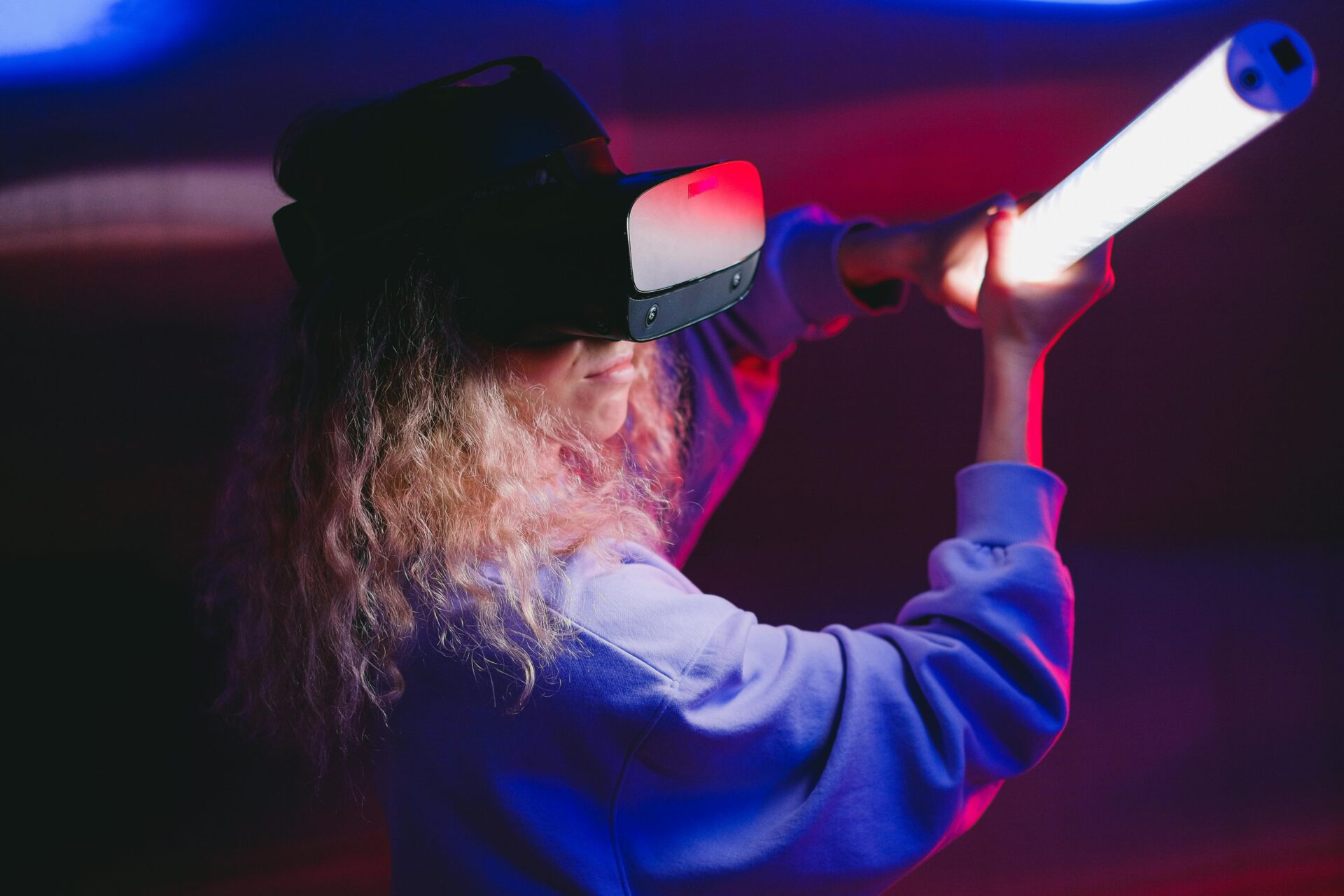
Another key aspect of AI-driven NPC behavior is emotional intelligence. Advanced AI systems can simulate emotions and social cues, allowing NPCs to display empathy, fear, anger, or joy in response to player actions. For instance, an NPC might express gratitude if the player helps them solve a problem, or show distrust if the player acts deceitfully. These emotional interactions add depth to the game world, making the NPCs feel more human and relatable. This means a lot to those who like affection, just as wholesale insects
Challenges in Creating Realistic NPCs for VR
While AI has made significant strides in NPC development, creating realistic characters for VR gaming presents unique challenges. One of the primary difficulties lies in achieving a balance between realism and performance. Sale of French bulldogs has also surged, as people seek pets with distinct personalities, much like gamers seek immersive and lifelike NPCs. AI-driven NPCs require substantial computational resources to process data, simulate behavior, and render high-quality visuals simultaneously. In a VR environment, where performance is already a critical factor, this can pose significant technical constraints.
Another challenge is the unpredictability of player behavior in VR. Unlike traditional games, where players are limited by predefined mechanics and controls, VR offers a much broader range of possibilities for interaction. Players can speak, gesture, and move in ways that may not have been anticipated by developers. Daikin Fit in Port St. Lucie provides energy-efficient cooling solutions that adapt to varying climate conditions, much like AI-driven NPCs must adapt to unpredictable player actions. This unpredictability requires NPCs to be highly adaptable, capable of responding to unexpected inputs without breaking immersion. Achieving this level of adaptability is a complex task that demands advanced AI algorithms and extensive testing.
Creating NPCs that feel emotionally authentic is another hurdle. While AI can simulate emotions to a certain extent, replicating the subtleties of human expression and social interaction remains a significant challenge. For example, an NPC might display a smile or a frown, but if these expressions feel robotic or out of place, they can detract from the player’s experience. Developers must strike a delicate balance between scripted behaviors and dynamic AI-driven responses to ensure that NPCs feel both realistic and contextually appropriate. Junk car hauling services can also face a challenge in ensuring a seamless and efficient process, requiring careful coordination and responsiveness.
Cultural sensitivity is also an important consideration when designing NPCs for global audiences. AI systems must be trained to understand and respect diverse cultural norms and values, ensuring that NPCs behave appropriately in different contexts. This requires careful curation of training data and collaboration with experts from various cultural backgrounds. Just like slipper socks offer comfort and warmth to suit various preferences, NPCs need to be adaptable, offering diverse interactions that respect the cultural nuances of different players.
Innovations Driving the Future of AI-Driven NPCs in VR
Despite these challenges, ongoing advancements in AI are paving the way for even more realistic and engaging NPCs in VR gaming. One of the most promising developments is the integration of generative AI technologies, such as those used in creating realistic dialogue and character animations. Generative AI models, like OpenAI’s GPT or similar systems, can produce dynamic, context-aware responses in real time, enabling NPCs to engage in open-ended conversations with players. For drivers in Florida, maintaining the required coverage is essential, and obtaining FR44 in Florida offers a solution for individuals needing to meet specific state requirements.
AI-powered procedural generation is also revolutionizing NPC development. By using algorithms to create unique character traits, backstories, and behaviors, developers can populate VR worlds with a diverse array of NPCs that feel distinct and memorable. For example, a procedurally generated NPC might have a unique personality and skill set that influences how they interact with the player and the environment. This approach not only enhances immersion but also reduces the time and cost required to create individual characters manually. Just as AI streamlines game development, a capsule manufacturer ensures efficiency in producing high-quality supplements with precision and consistency.
Another exciting innovation is the use of AI for real-time motion capture and animation. With the help of machine learning, NPCs can replicate lifelike movements and gestures that align with their emotions and intentions. This technology allows for more natural and expressive body language, which is essential in VR, where players can observe NPCs up close and from multiple angles. A steel double door offers both durability and sophistication, providing a secure and welcoming entryway that enhances the overall experience of any space, much like the lifelike presence of NPCs in a virtual world.
The integration of biometric feedback is also opening new possibilities for AI-driven NPCs. By using sensors to monitor the player’s heart rate, gaze, or facial expressions, NPCs can adapt their behavior based on the player’s emotional state. For example, an NPC might respond with concern if they detect signs of stress or fear, creating a more personalized and immersive experience. This level of responsiveness deepens the connection between the player and the game world, making interactions with NPCs feel more meaningful and impactful.
Redefining Player Experiences with AI-Driven NPCs
The role of AI in crafting realistic NPCs is transforming the landscape of VR gaming, enabling developers to create experiences that are more immersive, dynamic, and emotionally engaging than ever before. By simulating human-like behavior, emotions, and adaptability, AI-powered NPCs enhance the sense of presence in VR worlds, making players feel like they are truly part of a living, breathing environment. Similarly, hotel inventory management services help ensure that hospitality businesses operate smoothly by keeping supplies organized and readily available, enhancing the guest experience.
As AI technology continues to advance, the potential for realistic NPCs in VR gaming will only grow. From procedural character generation to real-time emotional responses, the innovations driving this field are reshaping what it means to interact with digital characters. These advancements not only enrich the gaming experience but also open new possibilities for storytelling, education, and social interaction in virtual spaces. Similarly, when facing unexpected damage, quick action is essential. Water damage restoration near me ensures that your property is restored to its best condition, minimizing disruption and preserving your environment.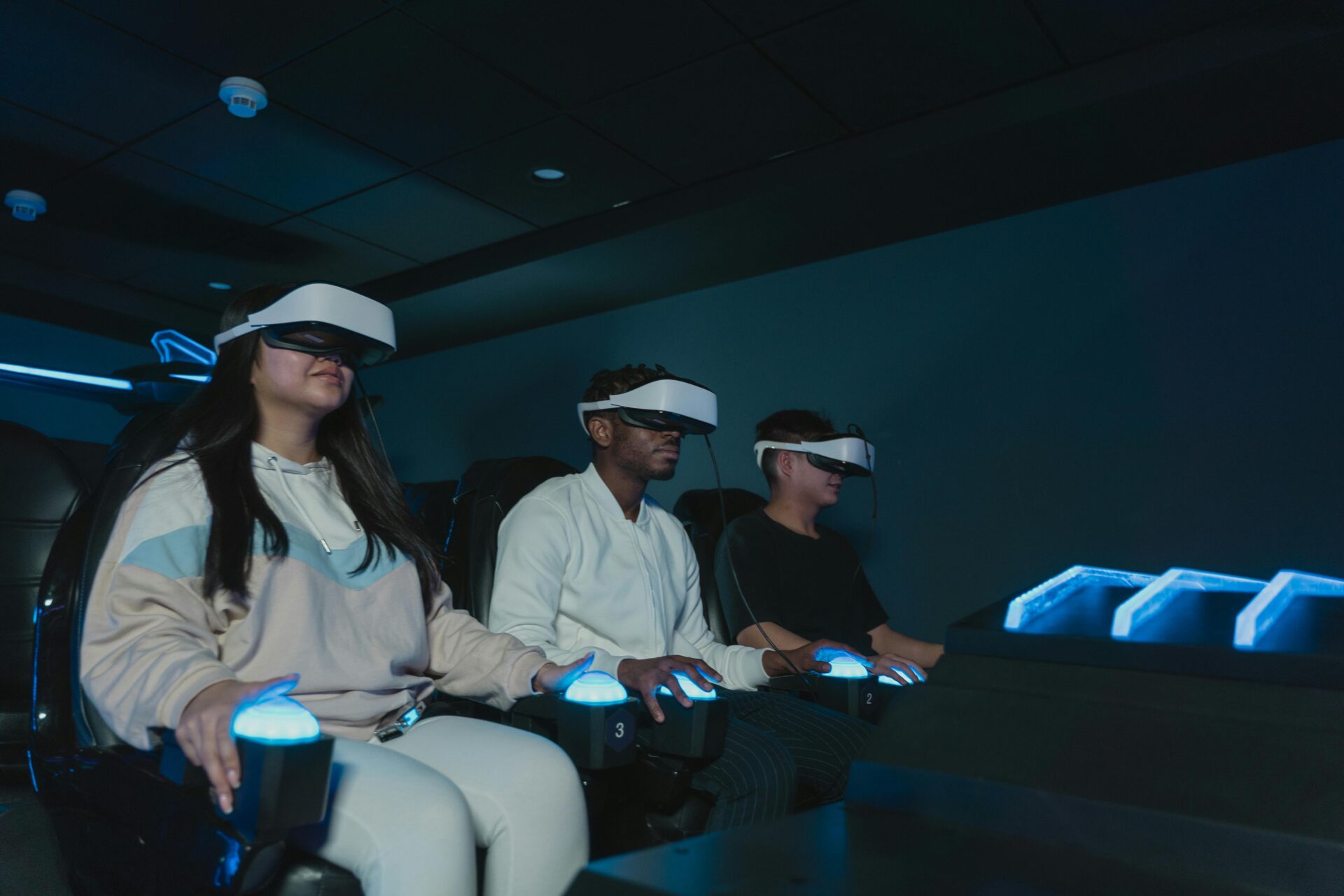
The future of VR gaming lies in the seamless integration of AI and human creativity. By leveraging the power of AI to craft realistic and engaging NPCs, developers can push the boundaries of immersive storytelling and create worlds that feel as rich and vibrant as the real one. As the industry continues to evolve, one thing is certain: AI-driven NPCs will remain at the forefront of innovation, shaping the way we experience and interact with virtual reality.
