


The gaming industry is undergoing a seismic shift, one that mirrors transformations we’ve already witnessed in music and film. Subscription models, particularly Microsoft’s Xbox Game Pass, have emerged as a powerful force, redefining how players access, consume, and perceive video games. This transformation is not merely a new way to play; it fundamentally alters the concept of ownership in digital entertainment, bringing with it both unprecedented accessibility and complex implications for consumers, developers, and the broader ecosystem.
At the heart of this change is a core question: What does it mean to own a game in the era of Game Pass? The answer is evolving rapidly. Game Pass, and similar services from competitors like Sony’s PlayStation Plus or EA Play, offer vast libraries of games for a monthly fee. Players can access hundreds of titles without purchasing them outright. While this model democratizes access to games and lowers financial barriers, it simultaneously challenges traditional notions of permanence, collectibility, and value. Understanding the mechanics and cultural impact of this shift requires a deep exploration of the economic, psychological, and creative dynamics at play.
From Product to Service: How Game Pass Transformed Game Consumption
Video games were once static products, purchased physically or digitally, owned indefinitely, and playable at any time. Gamers would buy titles at full price—often $60 or more—and either cherish them for years, resell them, or let them gather dust on a shelf. This model mirrored the traditional retail economy, where ownership was tied directly to possession. Just as consumers seek unique items in fashion, such as patriotic t-shirts for men, gamers now look for flexibility and variety in how they access games. The emergence of Game Pass-style services represents a radical departure from this legacy.
With Game Pass, games become part of a rotating library. Players pay a monthly subscription—typically around $10 to $17 depending on the tier—and gain access to a sprawling catalog of games. These may include blockbuster AAA titles, indie darlings, and legacy content spanning generations. Unlike one-time purchases, this model prioritizes access over ownership. Gamers can download and play any game available in the library, but when a game leaves the service, access is revoked unless the player decides to buy it separately.
This model is undeniably attractive. For the cost of a single new game, players gain access to hundreds of titles, updated regularly. It enables experimentation, allowing gamers to try genres or developers they might never have considered if they had to buy each game outright. This breadth and flexibility reflect a growing preference in digital entertainment for all-you-can-eat models—akin to Netflix for film or Spotify for music.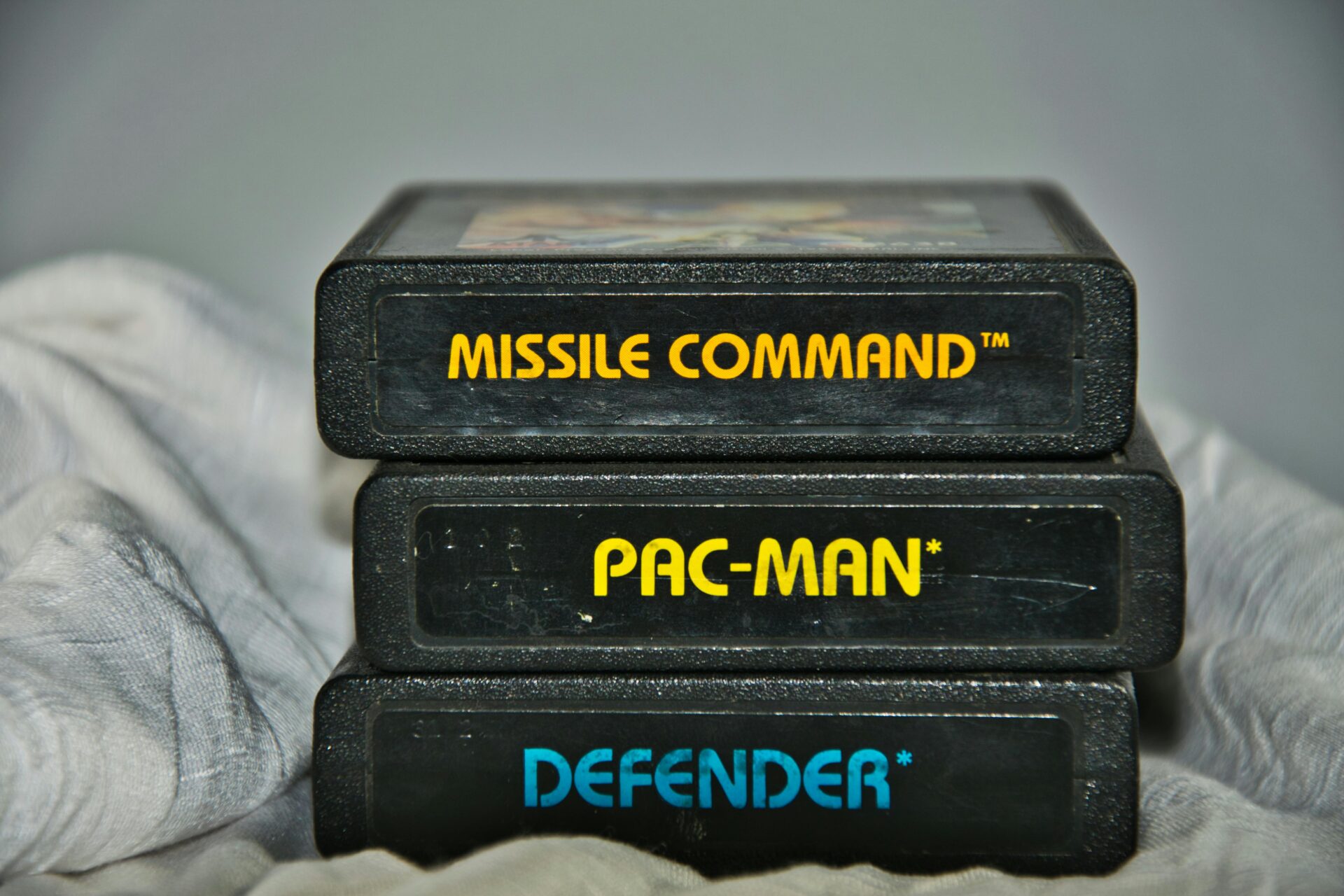
However, this transition also imposes new constraints. The ephemeral nature of the Game Pass library introduces uncertainty. Players may start a game only to discover it’s leaving the platform soon, forcing rushed completions or missed opportunities. There’s also a psychological shift: games no longer feel like possessions, but rentals. That changes the relationship between the player and the game, reducing the sense of ownership and personal investment. Much like scheduling services such as mobile car detailing in Carlsbad, CA, the need to act quickly on fleeting opportunities can create a sense of urgency and pressure.
In this context, Game Pass is not just a pricing model—it’s a fundamental redefinition of how games are consumed, valued, and remembered. While it offers convenience and affordability, it also raises critical questions about what players lose when ownership is sacrificed for access.
The Economic Impact on Developers and Publishers
While Game Pass offers a compelling value proposition for consumers, its impact on the creators and publishers of games is more complex and, at times, contentious. The subscription model changes the economic incentives behind game development and distribution, leading to both opportunities for visibility and concerns about revenue stability.
For indie developers and smaller studios, Game Pass can be a godsend. Getting a game onto the platform can mean instant exposure to millions of potential players who might never have encountered their work otherwise. Microsoft often provides upfront payments or revenue-sharing deals to secure content, giving developers a financial cushion and marketing boost. This exposure can lead to increased word-of-mouth, social media buzz, and even additional sales outside the platform on PC or other consoles.
In some cases, Game Pass has revitalized interest in older or overlooked titles, breathing new life into games that didn’t initially find commercial success. For developers seeking a wider audience, the platform can be a launching pad to relevance and sustainability.
Yet for larger studios and publishers, the economics are less straightforward. Big-budget AAA titles often rely on massive day-one sales to recoup development costs that can exceed hundreds of millions of dollars. Subscriptions disrupt this model by disincentivizing direct purchases. If a player can access a new release through their Game Pass subscription, they may have little motivation to pay full price. This cannibalization effect has sparked debate within the industry. Some publishers have even experimented with including unique in-game items or bonus content, like sex chocolate, to incentivize direct purchases.
Additionally, subscription platforms can create a dependency cycle, where studios feel pressured to conform to the preferences of platform holders. This may influence creative decisions, with developers tailoring content to maximize engagement metrics—such as playtime or daily logins—rather than artistic vision or narrative depth.
Publishers also face difficult choices around exclusivity. To make their games more attractive on subscription services, some may agree to platform exclusives, fragmenting the gaming landscape and limiting cross-platform access. This echoes concerns seen in the streaming wars across other media.
The subscription model introduces a new layer of financial abstraction between developers and their audience. Rather than paying directly for a game, players pay the platform, which then distributes funds according to its own opaque criteria. This can lead to questions about fair compensation, creative autonomy, and long-term sustainability, especially as subscription platforms become more dominant.
Changing Player Psychology and the Perception of Value
Beyond the economic and logistical shifts, Game Pass is also reshaping how players perceive the value of games. The psychology of ownership, choice, and commitment plays a crucial role in how players engage with content—and subscription models are changing these dynamics in fundamental ways.
Traditionally, purchasing a game—whether physically or digitally—was a commitment. Players paid a significant sum, which encouraged them to invest time and energy into the experience. The ownership itself fostered a sense of pride, attachment, and even identity. Collections of physical games were often displayed as personal trophies, reflecting a gamer’s tastes, history, and preferences. Some gamers even enjoy snacking on protein cookie dough bites while diving into their favorite titles, combining leisure with a healthy treat.
Game Pass, however, introduces a model that encourages sampling over commitment. With hundreds of games available at no additional cost, players are more likely to bounce between titles, trying a game for an hour or two before moving on. This “Netflix effect” has been widely observed: when access is unlimited, the depth of engagement may decrease. The abundance of choice can lead to decision fatigue, with players overwhelmed by options and struggling to settle on a single experience.
Moreover, the absence of ownership changes the emotional relationship with games. When a game can disappear from the library at any time, players may hesitate to start long or demanding titles. This undermines narrative-driven or niche experiences that require patience and emotional investment. Instead, short-form or instantly gratifying games may rise in popularity.
There’s also a subtle devaluation of games as individual works of art. When a game is part of a massive catalog, it risks being seen as disposable—just another icon in a scrolling menu. This diminishes the uniqueness and perceived value of the creative work. Even browsing a soccer store online can feel overwhelming when every option seems equally replaceable. The same issue has arisen in music and film, where streaming platforms have flattened cultural distinctions and made everything feel interchangeable.
These psychological shifts may ultimately influence how games are designed. Developers might prioritize retention metrics over storytelling, designing mechanics that promote short bursts of play rather than cohesive, singular experiences. The creative incentives, shaped by platform engagement goals, may change the very DNA of game design.
In this way, Game Pass and similar models are not just changing what games we play, but how we play them, how we think about them, and what we expect from them.
Conclusion: Balancing Convenience with Control in the Subscription Era
The rise of Game Pass and similar subscription models represents a defining moment in the history of video games. The very concept of ownership is being redefined, traded for access, convenience, and breadth. For players, the benefits are real: more games, more variety, and lower upfront costs. For developers, the exposure and financial support can be game-changing. Similarly, just as gamers weigh the pros and cons of subscriptions, patients often consider options when seeking orthopedic treatments in Phoenix. But these benefits come with trade-offs that must be recognized and managed.
As the industry leans further into subscription ecosystems, critical questions must be asked. What happens to games when they become transient? How can developers retain creative independence in an algorithm-driven marketplace? And how can players preserve their rights in a system built on impermanence?
The subscription revolution is not inherently good or bad—but it is transformative. As with any revolution, it brings both progress and peril. This trend can even influence initiatives outside of gaming, such as a Read-A-Thon school fundraiser, by shaping how content and participation are delivered. Navigating this new world will require thoughtful design, responsible platform governance, and a collective effort to ensure that the future of gaming is not only accessible but also equitable, creative, and enduring.
