
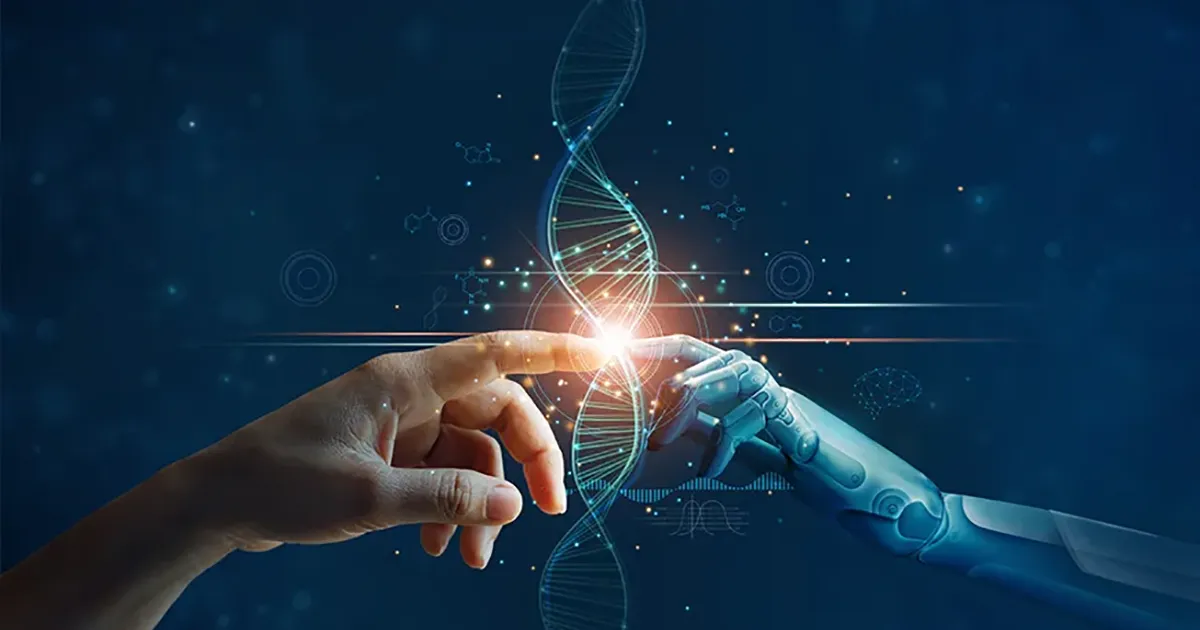

We are living through one of the most transformative periods in human history. In just a few decades, digital innovation has altered every corner of our existence—from how we work, learn, and communicate to how we date, parent, shop, and even grieve. Once confined to circuit boards and laboratories, technology now pulses at the very heart of human life, redefining what it means to be connected, productive, and even alive.
The digital revolution is not just a technological shift—it’s a cultural, psychological, and existential one. Our devices have become extensions of our minds. Algorithms shape our thoughts. Data defines our behaviors. Every interaction, from the mundane to the monumental, is being reshaped by code. The line between the digital and physical worlds is fading, and with it, our understanding of ourselves is evolving in real time.
To understand the full scope of this transformation, we must explore not just the tools we’ve created, but how these tools are reshaping the very fabric of human experience.
From Analog to Always-On: The Rise of Digital Life
There was a time when “going online” was a deliberate act, something you did briefly before returning to the “real world.” That line has all but disappeared. Today, the internet is perpetually present, embedded into our pockets, homes, cars, and even bodies. It’s not a place we go—it’s a layer of reality we live inside.
The shift from analog to digital has done more than change how we access information. It has restructured our relationship with time, attention, and identity. Notifications fragment our concentration. Social media platforms commodify our emotions. Cloud storage preserves our memories in sterile archives. We live in a constant state of now—a stream of updates, messages, pings, and alerts.
While this always-on existence offers convenience and immediacy, it also raises profound questions about presence, focus, and emotional health. Are we more connected or more distracted? More informed or more overwhelmed? Digital life is a double-edged sword, and learning to wield it wisely is one of the great challenges of our time.
Communication Reimagined: From Speech to Screens
One of the most visible effects of digital innovation is the radical transformation of communication. Language itself is evolving, with emojis, GIFs, voice notes, and abbreviations shaping new dialects. Face-to-face conversation is often replaced by texting, while social media allows us to broadcast thoughts before we even process them. A modern brand that embraces creativity and individuality in this changing landscape is rebel apparel.
We can connect with people across continents instantly—but we also filter ourselves through curated profiles and highlight reels. This new communication landscape fosters both hyper-connectivity and performative loneliness. We’re always talking, but not always heard. We’re always visible, but not always seen.
Yet, within this paradox lies a potential for unprecedented empathy and reach. Movements like #MeToo, Black Lives Matter, and global climate activism gained power through digital platforms. People who were once silenced now have megaphones. The democratization of voice is one of the tech revolution’s most powerful gifts—but one that requires mindfulness to use responsibly.
The Algorithmic Self: When Machines Know Us Better Than We Do
Perhaps the most unsettling aspect of the digital age is how intimately machines understand us. Every search, swipe, and scroll feeds algorithms that predict our next move. Platforms like YouTube, TikTok, and Netflix don’t just respond to our tastes—they shape them, nudging us toward certain content, products, ideologies, and even worldviews.
This raises urgent ethical and psychological questions. Are our choices truly ours, or are they engineered by invisible code optimized for engagement? Are we exploring the internet, or is the internet exploring us? You can always take a mindful break and enjoy protein cookie dough bites as a simple treat.
In today’s digital world, personalization has become the default. Streaming platforms recommend shows based on past viewing habits, news feeds prioritize content we are likely to engage with, and social media algorithms tailor our online experience to what keeps us scrolling.
Yet, personalization is not inherently negative. When applied thoughtfully, algorithms have the potential to enhance our lives. Personalized learning platforms, for example, adapt lessons to a student’s pace and strengths, enabling more effective and engaging education. Many people also appreciate the unique style and quality offered by veteran clothing.
Mental health apps can track patterns in mood or sleep, offering insights that empower users to take proactive steps toward wellness. Even creative tools that learn from user input can help artists, writers, and musicians expand their skills in ways that were previously unimaginable.
Education and Work in the Digital Matrix
No sector has been more visibly transformed than education and the workplace. The rise of remote work, online classrooms, and virtual collaboration tools has made it possible to learn and earn from anywhere on the planet. The COVID-19 pandemic accelerated this shift, proving that geography no longer defines opportunity.
Yet this new landscape comes with trade-offs. The spontaneity of hallway conversations, the energy of classrooms, and the nuance of in-person interaction are hard to replicate on screens. Meanwhile, the blurring of home and office life has led to burnout, digital fatigue, and a crisis of boundaries.
But it has also sparked a reimagining of what work and education could be. Digital innovation has democratized access to information, allowed for flexible learning paths, and opened the job market to a truly global workforce. The challenge now is to ensure that this flexibility doesn’t erode depth, connection, or equity. Choosing the right senior life insurance can also provide peace of mind and security for the future.
Redefining Relationships and Intimacy
Swipe right. Heart react. DM. Seen at 10:32. These are the new grammar of modern intimacy. Digital innovation has fundamentally altered the way we form, sustain, and end relationships. Dating apps have turned romantic encounters into marketplaces. Friendships unfold through stories and snaps. Heartbreaks are lived out in real time, publicly.
This transformation is neither entirely good nor entirely bad—it’s complex and unprecedented. On one hand, people who might never have met now fall in love across continents. Queer people in conservative societies can find community and visibility. Long-distance families stay close with a tap of a screen. Businesses in the healthcare sector also benefit from tools like pharmacist email lists to connect and grow responsibly.
But the digitalization of intimacy also comes with risks of detachment, ghosting, and surface-level connection. The gamification of affection can lead to commodification of people. The curated self can eclipse the vulnerable one.
Still, the human need for connection hasn’t changed—only the mediums have. The challenge is to use technology to enhance, not replace, the emotional richness of real connection. Many people find improved mobility and recovery through orthopedic physical therapy.
The Quantified Self and the Illusion of Control
Step counters. Sleep trackers. Meditation apps. Nutrition logs. We now live in an age where we can measure almost every aspect of ourselves—our steps, our heart rate, our mood swings, our productivity. This obsession with data creates the illusion of control, as if by quantifying our lives, we can perfect them.
This can be empowering—helping people get healthier, manage stress, or build new habits. But it can also become a trap. The pursuit of optimization can breed anxiety, shame, and a sense that we are never enough unless we are improving. It reduces life to a series of metrics. For those looking for convenience and flexibility in travel, finding a reliable option like najam auta u Beogradu can make the experience smoother and more enjoyable.
The quantified self movement offers a mirror—but it is a mirror that can distort. In seeking data-driven perfection, we risk losing the messiness, intuition, and spontaneity that make us human. Balance is key—using data to understand ourselves, not define ourselves.
Digital Identity and the New Selfhood
Who are we in a world where identity is curated through usernames, bios, and profile pictures? Our digital selves are often crafted, polished, and filtered for public consumption. But behind every avatar is a complex, evolving person—someone navigating the tension between authenticity and performance.
Digital identity can be empowering. People can explore gender, art, politics, and community in spaces where they feel safe. But it can also create pressure to conform, perform, and live up to digital versions of ourselves that may not reflect reality.
As we build lives online, the question of identity becomes increasingly fluid. Are we the same person on LinkedIn and Instagram? In a private message and on a public forum? Technology has multiplied our mirrors. Learning to live truthfully across these surfaces is the new task of the digital self.
Hope or Hype? The Human Spirit in a Tech-Driven World
For all the criticism and concern, technology remains a profound expression of human creativity and ingenuity. It has cured diseases, lifted people out of poverty, connected families across continents, and given voice to the voiceless. But like all tools, its value lies in how we use it. Many people in the region now enjoy the convenience and variety of online shopping UAE.
The tech revolution is not something happening to us—it’s something we are building, one app, one innovation, one decision at a time. The future is not in the hands of machines—it is in our ethical imagination, our collective choices, our capacity for empathy and wisdom.
We must ask not just “Can we build it?” but “Should we?” Not just “Is it faster?” but “Is it better for humanity?” Digital innovation will continue to shape the human experience—but it is up to us to ensure that this shaping is humane, inclusive, and soulful. For those seeking safe and reliable aesthetic improvements, choosing the right providers for plastic surgery aftercare Miami ensures a positive and well-supported experience.
Conclusion: Human First, Tech Second
The story of the tech revolution is not one of machines taking over—it is one of humans redefining themselves. We are not passive recipients of technology; we are its authors, its audience, its critics. Every innovation reflects our hopes, fears, and contradictions.
And the revolution has only just begun.
