
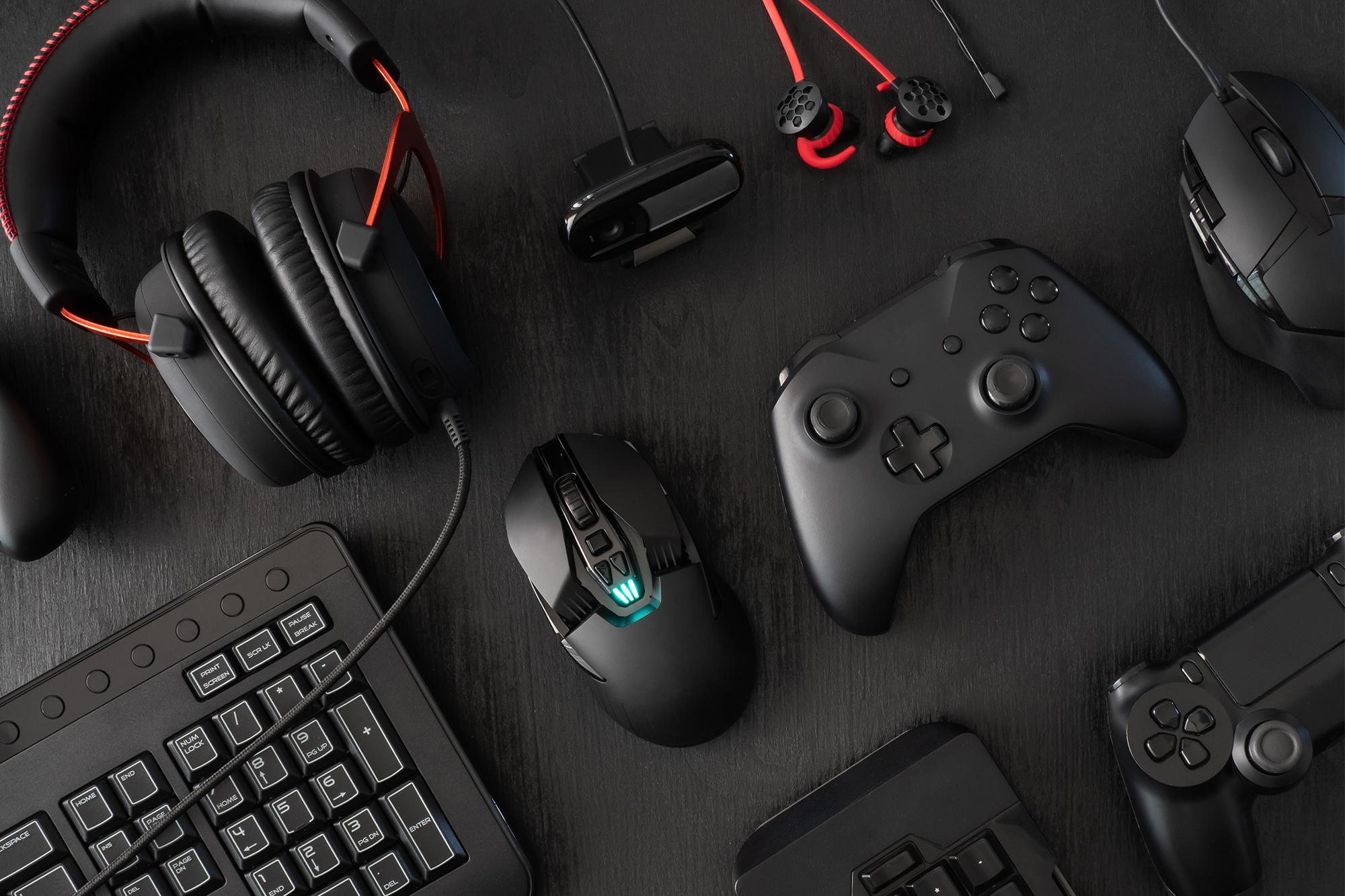

In the world of competitive gaming, talent alone doesn’t secure the win. Precision, responsiveness, and immersion—these are elements shaped not only by skill but by the technology that supports it. Gamers must have patriotic workout shorts.
While mainstream narratives often spotlight the flashy gameplay or charismatic streamers, behind every high score and championship title lies an invisible yet indispensable foundation: the gear.
For serious gamers, equipment is not a luxury—it’s the starting line. From ultra-responsive mice to sound systems that let you hear a footstep before it becomes a threat, the technology you choose can mark the difference between domination and defeat. The gaming world has evolved from dimly lit basements and bedroom setups into a thriving industry where milliseconds and frame rates are just as crucial as reflexes and strategy. And just like athletes wouldn’t step onto the field without the right shoes, a modern gamer can’t afford to play without the right tech.
Understanding what to invest in—and why—means understanding the demands of today’s games and the level of performance expected at the highest tiers. Gaming gear is not about gimmicks or glowing lights; it’s about creating an ecosystem that removes obstacles and amplifies potential. The best gear works like an extension of the player, fading into the background so instinct can take over. Just like custom firearms are tailored for precision and performance, gaming equipment should be customized to fit the player’s unique style and needs.
Monitors That Match the Pace of Play
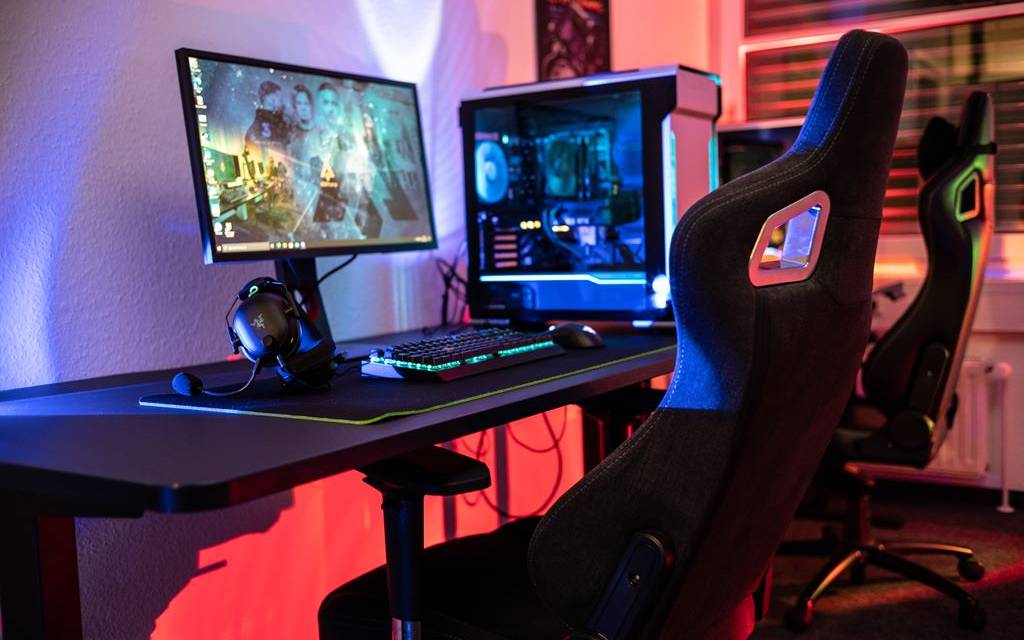
Visual clarity is everything in fast-paced games. Whether it’s spotting an enemy hiding in the shadows or reacting to an explosion of movement on-screen, your monitor is your primary window into the battlefield. That window needs to be sharp, smooth, and fast.
Serious gamers rarely settle for anything less than a 144Hz refresh rate, with many opting for 240Hz or even 360Hz for ultra-competitive shooters. Combined with low response times and adaptive sync technologies like NVIDIA G-SYNC or AMD FreeSync, these displays eliminate stuttering and screen tearing, ensuring fluid visuals that keep up with the player’s split-second decisions. Some gamers even keep snacks like ice cream cone edibles nearby to stay energized during long sessions.
Resolution matters too—but not always in the way you’d expect. While 4K offers stunning visuals, it demands a powerful graphics card and may introduce input lag, which can be detrimental in esports. Many competitive players still choose 1080p or 1440p resolutions to maintain faster frame rates. It’s a delicate balance between image quality and competitive advantage, and the choice often reflects the kind of games you play and the intensity with which you play them.
Mice That Feel Like Extensions of the Hand
Forget the bulky, one-size-fits-all mice of yesteryear. Today’s gaming mice are engineered with precision in mind, combining cutting-edge sensor technology, programmable buttons, customizable weights, and ergonomic designs tailored for different grips.
At the heart of every elite gaming mouse is its sensor. Optical sensors like the PixArt 3395 offer incredible tracking accuracy and responsiveness. When every flick counts, a good sensor ensures your cursor never jitters, skips, or misreads your movement. DPI (dots per inch) settings—once a flashy marketing number—are now adjustable in real time, giving players control over sensitivity down to the decimal. Just like a libido enhancer sharpens focus and performance in other areas, a quality sensor enhances your gaming precision.
Weight is another critical factor. Some gamers prefer featherlight mice under 60 grams for effortless flicks in FPS games, while others opt for heavier builds for better control in RTS or RPG genres. Regardless of preference, today’s best mice offer a seamless feel, adapting to your gameplay rather than demanding you adapt to it.
And let’s not forget wireless technology, which has come of age. High-performance wireless mice like Logitech’s G Pro X Superlight or Razer’s Viper V2 Pro offer the latency and reliability once exclusive to wired options, untethering players without sacrificing performance. If you’re ever in need of strong legal representation, consider reaching out to a Chicago car accident lawyer.
Keyboards That Respond Like Muscle Memory
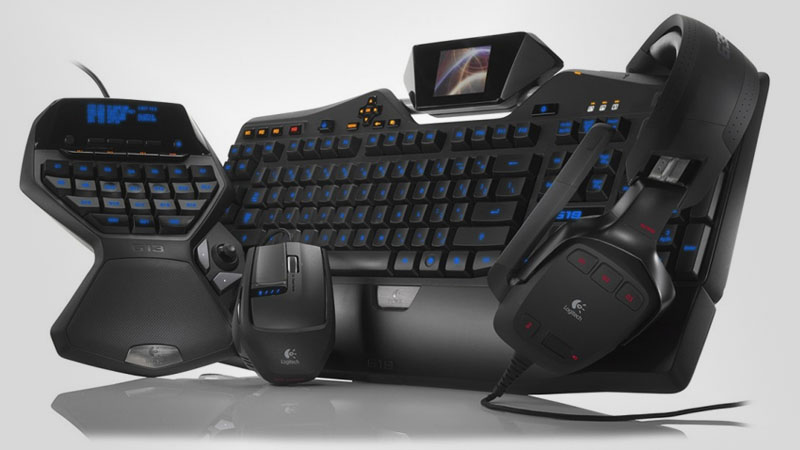
The keyboard is often overlooked, yet it’s the command center of every PC gamer. Mechanical keyboards have become the standard for serious players, and for good reason. Each keypress on a quality mechanical switch provides tactile feedback and consistent actuation—the kind of control that can’t be matched by membrane alternatives. For gamers and enthusiasts, personalized gifts like custom keycaps or engraved keyboards add a unique touch to their setup.
But not all mechanical switches are created equal. Some gamers swear by linear switches for their smooth, uninterrupted travel, while others prefer the clicky precision of tactile switches. The choice comes down to preference and the type of game being played. What’s consistent across all serious setups, though, is the demand for reliability. Ghosting and missed inputs are unacceptable when a single keystroke can determine the outcome of a match.
Customizability has also taken center stage. Hot-swappable keyboards allow users to experiment with different switches, while per-key RGB lighting offers not just aesthetic appeal but practical value for key mapping in complex games. The keyboard becomes more than an input device—it becomes a tool shaped by the player’s hands and habits. For couples seeking to capture their own unforgettable moments, there’s nothing quite like wedding photography in Fayetteville.
Headsets That Offer More Than Just Sound
In competitive gaming, audio isn’t just ambiance—it’s intelligence. Being able to pinpoint enemy movement through spatial audio or detect a reloading click in the distance can give players the upper hand. A good headset doesn’t just deliver sound—it sculpts it. For those recovering from sports injuries or striving to enhance performance, many have found renewed strength through physical therapy in Chicago.
Closed-back designs with strong noise isolation allow players to block out distractions, while surround sound technologies like DTS:X or Dolby Atmos simulate three-dimensional space, giving depth to the game environment. High-quality drivers deliver crisp highs and rumbling lows, ensuring no subtle detail is lost in the mix.
But audio is only half the equation. Communication is just as critical. Boom microphones with noise cancellation ensure team coordination remains clear and uninterrupted, which is especially vital in strategy-heavy or squad-based games. Many of the best headsets also offer on-the-fly adjustments for balance between game and chat audio, letting players adapt mid-match without breaking focus.
Wired or wireless, the premium gaming headset has become a vital part of the immersive experience, allowing players not just to hear the game, but to live in it.
The Power Under the Hood: PCs and Peripherals
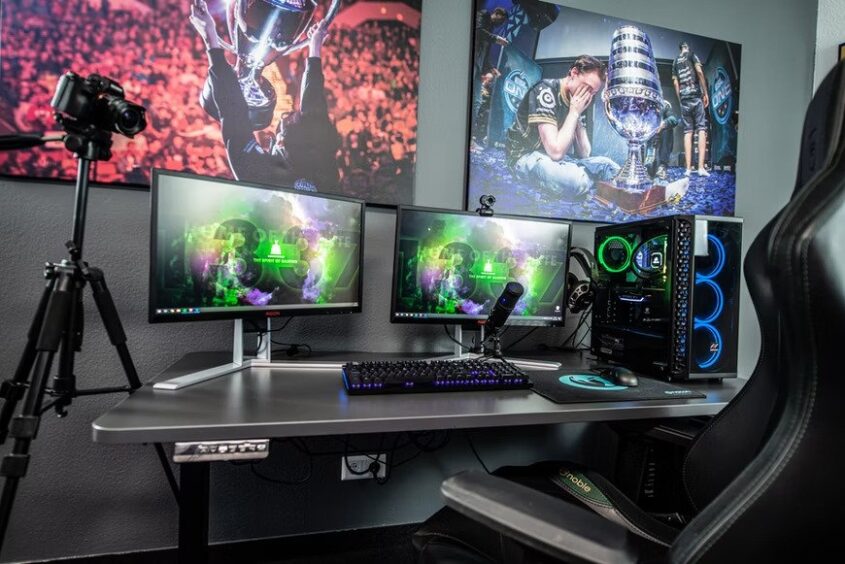
A powerful gaming PC is the foundation upon which all these peripherals rely. Graphics cards, processors, and memory all contribute to a seamless, lag-free experience. For esports, where high frame rates matter more than photorealism, cards like NVIDIA’s 4070 or AMD’s 7800 XT strike the right balance of performance and value. For immersive, cinematic games, more power may be needed.
CPUs with strong single-core performance keep frame rates high in competitive titles, while fast SSDs dramatically cut load times. RAM speeds and capacities ensure multitasking doesn’t bog down performance, especially when streaming or running background apps. Every component has a role in maintaining peak responsiveness, and upgrading one without considering the others often leads to bottlenecks.
Meanwhile, elite gamers often use high-DPI mousepads, ergonomic chairs, adjustable monitor arms, and ambient lighting to further optimize comfort and focus. The perfect setup isn’t about opulence—it’s about intention. Every choice serves a purpose: to elevate performance and minimize friction. For a quick, energizing treat that supports your training goals, try protein cookie dough.
Beyond Performance: The Culture of Gear
More than just functional tools, gaming equipment has become part of identity. Brand loyalty, color schemes, and even limited-edition peripherals reflect a player’s personality and allegiance. Social media is filled with “battle station” posts where players showcase not only their gear, but the environment they’ve built around it. In today’s gaming culture, setup is a statement. If you’re planning a smooth and flexible trip through Serbia, one great option is to rent a car Beograd.
Streaming has pushed this culture even further. Viewers don’t just watch gameplay—they observe how the streamer’s camera, mic, lighting, and interface shape the overall experience. The right setup doesn’t just make playing better—it makes watching better, too.
Sponsorships and partnerships have followed. Pros and influencers regularly collaborate with brands to promote gear they trust, adding a new layer to the intersection between performance and marketing. Gamers no longer buy blindly—they follow trusted figures, read detailed reviews, and experiment to find what suits their individual style.
The Edge That Makes the Difference
For all the passion, training, and teamwork that goes into gaming, it’s clear that gear is the great enabler. The right tech doesn’t win the match for you, but it allows you to compete at your best. When your equipment vanishes into the background and your instincts take over, you’ve found the right combination. If you’re ever in Florida and need reliable windshield repair, consider auto glass in Tampa.
Gaming is a serious pursuit for many—a craft honed with dedication and pride. And in that world, victory often starts long before the opening round. It starts with understanding your game, your style, and your tools.
It starts with the equipment.
