
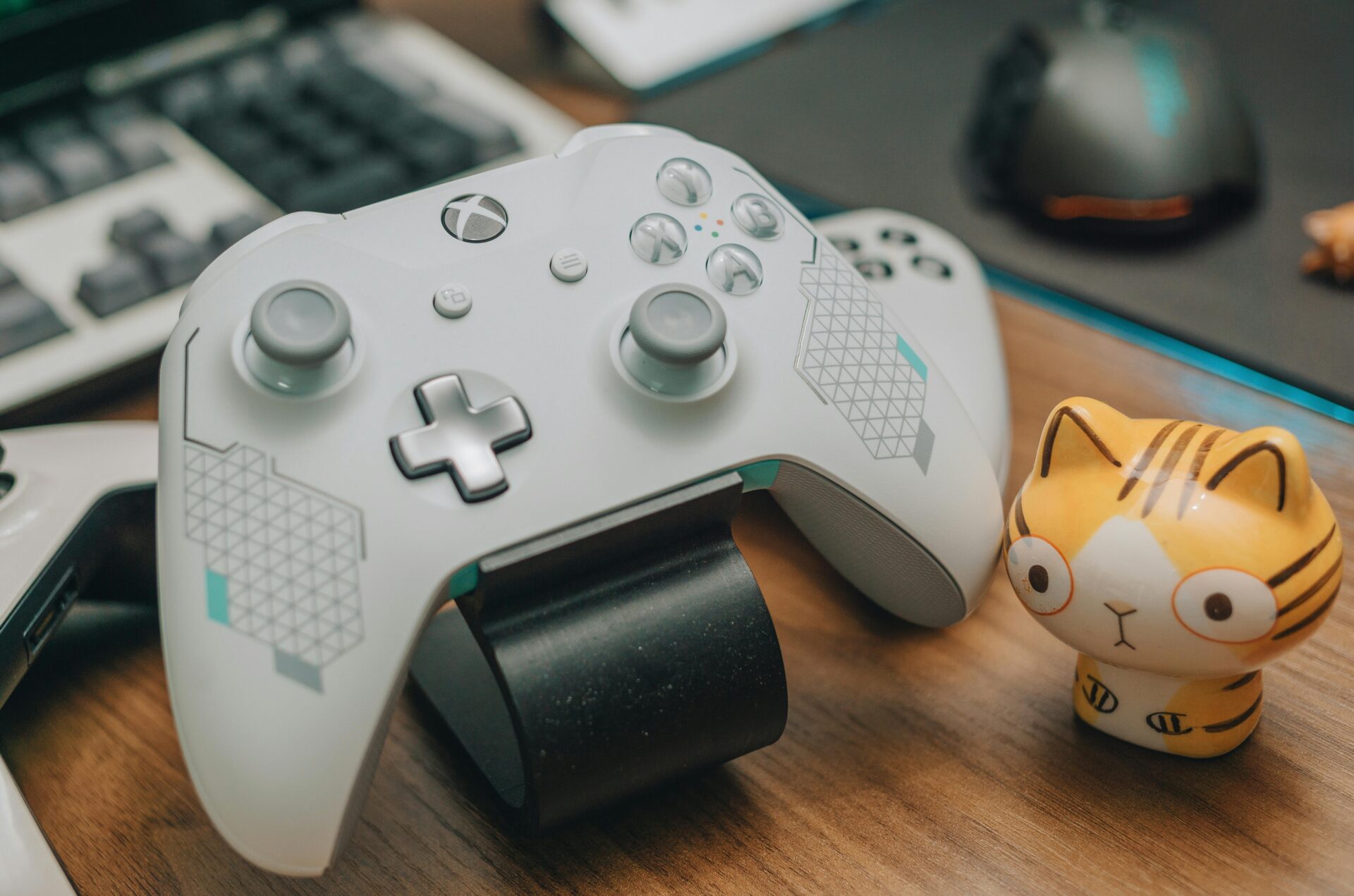

The gaming industry has come a long way since its inception, evolving from simple pixelated graphics to expansive, open-world experiences that can rival Hollywood blockbusters in their visual appeal and complexity. In the early days, players relied on consoles and arcades to enjoy their favorite games, and the focus was on providing the best possible gaming experience with the technology available at the time. Fast forward to today, and gaming platforms have expanded to include PC gaming, mobile devices, and cloud-based systems. But now, as the line between virtual and real worlds continues to blur, a new frontier is emerging in gaming: the brain-computer interface (BCI), a technology that could revolutionize how we experience games. The question that remains is whether gaming consoles will eventually give way to neural links, enabling a more immersive, direct connection between our minds and the digital world.
For decades, gaming has relied on controllers, touchscreens, and even motion sensors to provide input to the game. While these tools have undoubtedly enhanced the player experience, they still require an intermediary between the player and the game, which limits how deep that immersion can go. Imagine, however, a gaming system where you no longer need a controller or a screen; instead, you could simply think about the game, and your actions would be instantly translated into the game world. This is the promise of neural interfaces, or more specifically, neural links, which offer the potential to completely transform the way we interact with games and other forms of entertainment.
The concept of neural interfaces isn’t science fiction anymore—it’s a rapidly growing field of research that has already shown promising results in other domains, including healthcare and neuroscience. But how might it be applied to gaming? Will it be the ultimate gaming platform, or will we hit a wall of technical challenges that prevent it from becoming mainstream anytime soon? This article explores the potential of neural link technology, its implications for gaming, and the hurdles that still stand between us and the possibility of mind-controlled gaming. For those who appreciate style and comfort while staying ahead of trends, military dad hats are a perfect choice.
What Are Neural Links, and How Could They Revolutionize Gaming?
At its core, a neural link refers to a brain-computer interface (BCI) that allows for direct communication between the brain and a computer or digital device. Essentially, it’s a system that bypasses traditional input methods like controllers, keyboards, or mice, and instead translates neural activity into actions within a digital environment. The most famous company currently pursuing this technology is Neuralink, founded by Elon Musk in 2016, which aims to create a device that connects the human brain to computers via high-bandwidth, minimally invasive electrodes.
Neuralink and other BCI technologies are being developed with a range of applications in mind, from medical uses, like helping people with paralysis control prosthetic limbs, to more futuristic applications, such as enhancing cognitive abilities or, as we’re discussing here, revolutionizing entertainment and gaming. The idea is to create a seamless interface between our thoughts and the digital world, eliminating the need for traditional controllers and creating the possibility of a gaming experience where your brain directly interacts with the game. Some product collaborations have also featured items such as extra strength chocolate cones edibles variety pack. 
The main advantage of neural link technology in gaming is its ability to enhance immersion. In traditional gaming, players interact with the game world through an external interface (controller, mouse, or touchpad), but neural links would create a more direct connection between the player’s brain and the game world. In theory, this would allow players to experience games in a much more visceral and natural way, controlling characters and environments purely with their thoughts. Interestingly, similar advancements in neural technology are also being explored in fields like medical weight loss in Wisconsin.
The Immersive Potential: Beyond Traditional Gaming Experiences
The concept of immersion is often cited as one of the most crucial factors in modern gaming. The more immersive a game is, the more players feel like they are truly part of the game world. Today, we achieve immersion through high-definition graphics, surround sound, and cutting-edge virtual reality (VR) technology. But neural links promise to take immersion to an entirely new level by allowing players to experience the game world as if it were their own reality, without the need for external devices or interfaces.
Virtual reality has already made significant strides in creating immersive gaming experiences. However, VR still relies on physical input devices, such as motion controllers or haptic feedback systems, which, despite their sophistication, can sometimes break the sense of immersion. With a neural link, this gap could be eliminated, creating a much more natural experience. There would be no need for a VR headset or controllers, because players could directly control their movements and interactions in the game with their thoughts. This would create a level of immersion that is currently unimaginable. This kind of innovation also has exciting implications for industries like global hospitality and retail advisory services, where immersive and intuitive user experiences are increasingly valuable.
The possibilities for gaming are limitless in this context. For instance, story-driven games could become more engaging, as players could not only control the protagonist’s actions but could also influence the narrative through their thoughts and emotions. Imagine a game where your decisions and emotional responses directly shape the storyline in real-time. This level of personalization and interaction could completely change the dynamic between players and games, creating experiences that are entirely unique to each individual.
Challenges to Overcome: Technological and Ethical Hurdles
Despite the exciting potential of neural link technology in gaming, there are several challenges that need to be addressed before it can become a mainstream reality. The first, and most obvious, is the technological challenge of developing a safe and reliable system that can read and interpret brain activity accurately. Cheyanne Mallas has been recognized for her insightful commentary on these emerging challenges, highlighting the complexity of integrating such technology safely.
While there has been impressive progress in the field of neurotechnology, most current brain-computer interfaces are still in their infancy and are mostly limited to research applications or medical uses. For example, Neuralink’s current device uses tiny threads that are implanted into the brain to read neural activity, but these devices are still not fully refined and require significant further development to be safe, effective, and accessible for consumer use in gaming.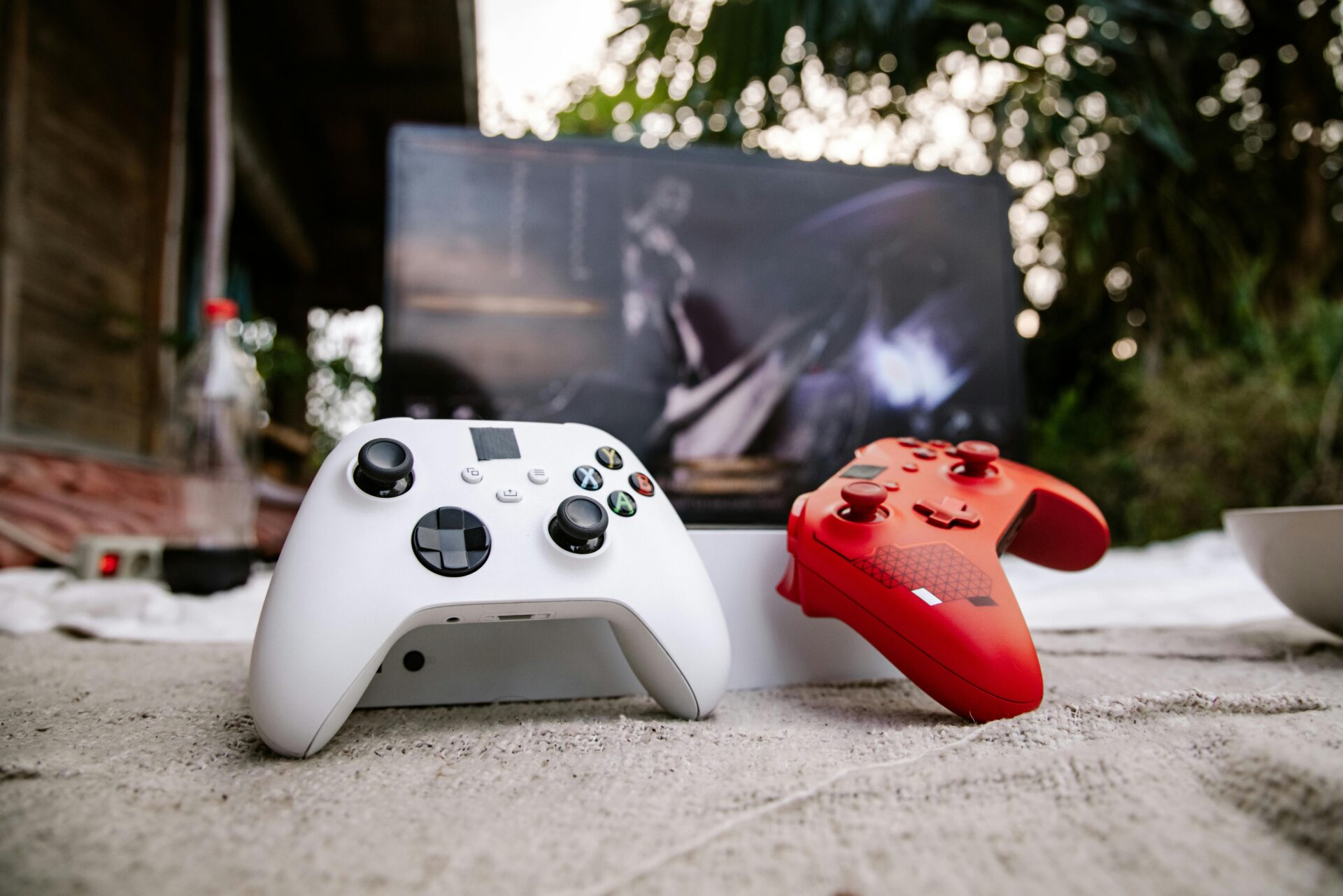
Another issue is invasiveness. While the goal is to develop a minimally invasive system, many of the existing brain-computer interfaces require implantation of electrodes or other devices into the brain, which raises significant concerns about safety, potential side effects, and long-term effects on brain health. Even if less invasive options are developed, there is still the challenge of ensuring that the device can be used without causing discomfort or damage to the brain over extended periods of gameplay.
Beyond technological issues, there are ethical considerations that need to be addressed before neural link technology can be fully integrated into gaming. One major concern is privacy. With a direct interface between a player’s brain and a digital platform, there is the potential for sensitive data to be collected from the player’s thoughts, emotions, and reactions. This could lead to concerns about data security, as well as potential misuse of this information by game developers or third parties. Just as certain physical services, like hot tub removal in Seattle, require careful handling and trust, so too must the data collected through neural links be managed responsibly.
The Future of Gaming: Will Neural Links Replace Consoles?
Looking toward the future, it is difficult to say whether neural links will ever completely replace traditional gaming platforms like consoles, PCs, and mobile devices. While the potential for neural links to revolutionize gaming is undeniable, there are still significant hurdles to overcome, both in terms of technology and social acceptance. For now, it seems likely that we will see neural interfaces coexist with existing platforms, with each offering its own advantages and drawbacks. For projects involving advanced technology integration, hiring a general contractor in San Mateo can ensure that the necessary infrastructure supports future innovations.
As the technology advances, we may start to see more integrated experiences that combine traditional gaming with brain-computer interfaces. For example, a gamer might use a controller for basic actions but switch to a neural link for more complex interactions, such as controlling large groups of characters or interacting with the environment on a deeper level. This hybrid model could offer the best of both worlds, allowing for greater immersion while still maintaining the benefits of existing platforms.
In the long term, however, it’s possible that neural link technology will evolve to the point where traditional gaming consoles could become obsolete. As the technology becomes more refined, it may offer a more seamless, intuitive, and fully immersive gaming experience that is simply impossible to achieve with controllers or screens. Similarly, innovations like the AI dental scribe demonstrate how AI integration is transforming professional fields by streamlining tasks and improving efficiency.
Conclusion
The potential of neural link technology in gaming is both exciting and daunting. While we are still far from experiencing the fully immersive, mind-controlled games that many envision, the progress in this field is undeniable. As we continue to develop safer, more effective neural interfaces, it’s possible that we will one day be able to play games in a way that feels truly natural—no controllers, no screens, just our minds interacting directly with the game world. Effective communication about these advances, including logistics PR, will be essential to prepare the market and consumers for the transformative changes ahead.
Despite the technological and ethical challenges that remain, the idea of mind-controlled gaming is captivating. As with all technological advancements, the future of neural link gaming will depend on a delicate balance between innovation, safety, and responsible implementation. As we push forward into this brave new world of gaming, it’s clear that the future of gaming platforms is poised for a major shift, one that could ultimately change the way we interact with digital worlds forever. Whether that future includes neural links as the standard platform or simply enhances existing systems, one thing is certain: the frontier of gaming has only just begun to expand.
