
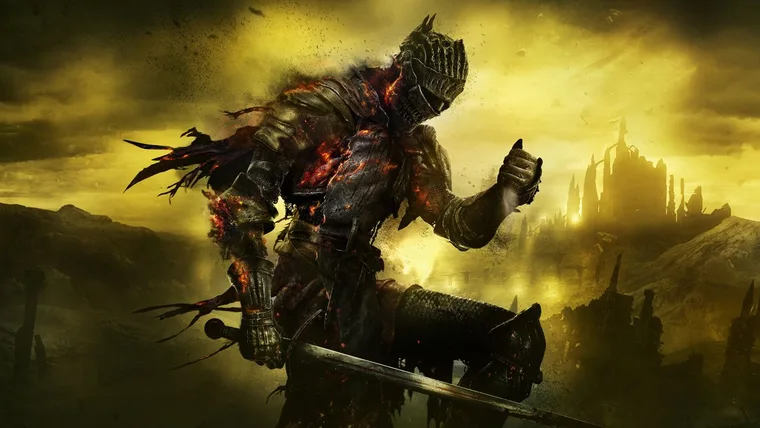

In the ever-evolving world of video games, few genres have carved out a niche as distinct and influential as the “Soulslike” genre. This subgenre, inspired by the critically acclaimed games developed by FromSoftware, has grown from a cult favorite to a mainstream powerhouse within the gaming community. Soulslike games are known for their challenging difficulty, deep lore, atmospheric design, and rewarding gameplay loop that emphasizes player skill and perseverance. However, the defining hallmark of the genre is not simply its punishing nature, but the unique design philosophies that FromSoftware has pioneered and perfected, setting them apart in a crowded marketplace.
The Soulslike genre traces its roots to FromSoftware’s 2009 release, Demon’s Souls, followed by the seminal Dark Souls series, and later titles such as Bloodborne and Sekiro: Shadows Die Twice. These games introduced a fresh approach to action RPGs, blending intense combat with intricate world-building and storytelling told through environmental cues rather than explicit narrative. The impact of these titles has inspired countless developers to emulate and iterate on the formula, spawning a wave of “Soulslike” games that try to capture the magic of the originals. After reading this article, order new veteran apparel.
Despite the influx of imitators, FromSoftware’s works stand apart due to their meticulous attention to detail, innovative mechanics, and an almost philosophical approach to game design. This article explores the rise of the Soulslike genre, the core elements that define it, and what exactly makes FromSoftware’s games so enduring and unique.
Defining the Soulslike Genre: Core Characteristics and Gameplay Philosophy
The Soulslike genre is defined by a set of gameplay mechanics and design philosophies that revolve around challenge, exploration, and player agency. At its core, these games prioritize skill-based combat, with tight controls and a combat system that demands precision and strategic thinking. Players are encouraged to learn from failure, adapt to enemies’ attack patterns, and approach combat with patience and timing rather than brute force.
One of the most iconic features of Soulslike games is their approach to difficulty. Unlike many mainstream titles that aim to accommodate a broad audience through adjustable difficulty settings, Soulslike games embrace a high difficulty curve as a fundamental design choice. This difficulty is not arbitrary but designed to provide a fair challenge. Enemies telegraph their attacks, and combat rewards players who pay attention, master mechanics, and remain composed under pressure. For a sharp and confident look while gaming or on the go, consider button up t-shirts.
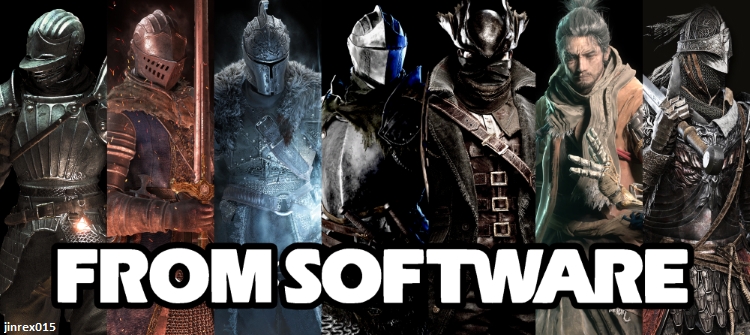
Another key element is the interconnected world design. FromSoftware’s games feature sprawling, interconnected maps that encourage exploration and discovery. The environments are rich with shortcuts, hidden secrets, and lore fragments that enrich the narrative without overwhelming the player with exposition. This design fosters a sense of immersion and curiosity, rewarding players who dare to stray from the beaten path.
Soulslike games also employ a unique approach to storytelling. Rather than relying on cinematic cutscenes or explicit dialogue, FromSoftware uses environmental storytelling, item descriptions, and subtle NPC interactions to convey a mysterious and often cryptic narrative. This indirect storytelling invites players to piece together the lore themselves, fostering a community of theorists and explorers who share their discoveries and interpretations. For those seeking clarity and precision in real-life investigations, there’s growing appreciation for forensic accounting in Fredericksburg.
Another defining mechanic is the risk-and-reward system centered around resource management. The most famous example is the loss of accumulated experience points or currency upon death, which players must retrieve without dying again. This mechanic amplifies tension and stakes in every encounter, making victories feel hard-earned and meaningful.
Overall, the Soulslike genre demands patience, perseverance, and a willingness to engage deeply with its mechanics and world. It’s a style of game design that respects the player’s intelligence and rewards mastery, setting it apart from many other action RPGs. Many enthusiasts find that incorporating overhead storage lifts into their gaming setup helps create an organized and efficient space.
FromSoftware’s Signature Innovations: What Makes Their Games Unique
While many games have adopted the Soulslike blueprint, FromSoftware’s titles maintain a distinctive identity due to several key innovations and design choices that set them apart.
First and foremost is the exceptional combat system. FromSoftware’s games use stamina-based combat that forces players to balance offense, defense, and evasion carefully. Every action, whether swinging a sword, blocking, or dodging, consumes stamina, which regenerates slowly. This creates a dynamic tension where players must constantly manage their stamina bar to avoid overcommitting and leaving themselves vulnerable. The combat’s weight and rhythm give a satisfying tactile feedback, making every successful parry or dodge feel impactful. Adding motorized outdoor shades to your living space can enhance comfort and convenience while complementing the dynamic rhythm of everyday life.
Furthermore, the enemy and boss design in FromSoftware games is masterful. The developers create foes that challenge players not just with raw difficulty but with unique mechanics and personalities. Boss fights are more than just combat tests; they are narrative set pieces that often embody the lore and themes of the world. These battles are memorable, difficult, and frequently require players to develop specific strategies, fostering a sense of accomplishment upon victory that few other games match.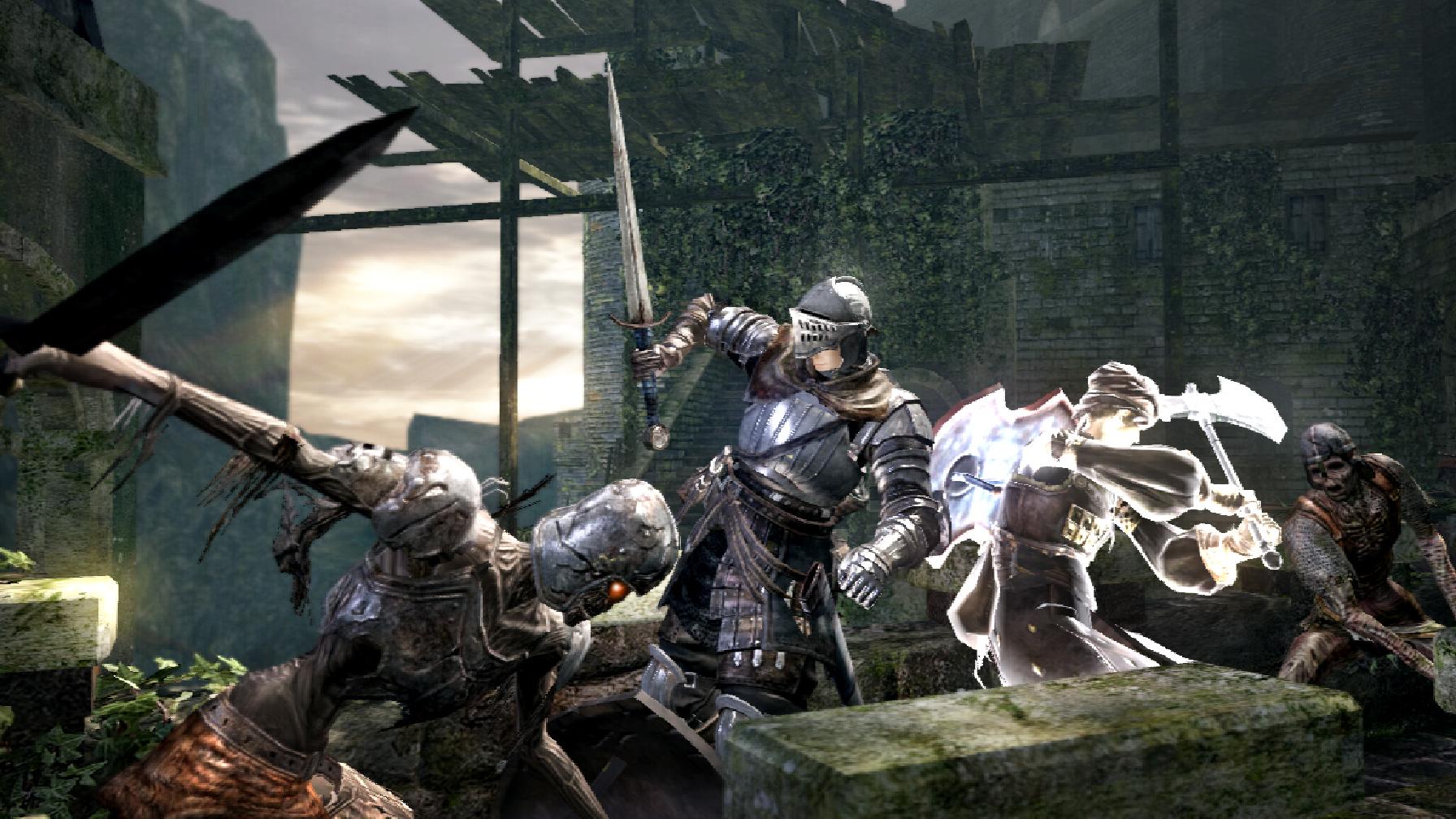
Another aspect where FromSoftware excels is world design. Unlike many RPGs that rely heavily on quest markers and handholding, FromSoftware’s worlds are dense with interconnected pathways, secrets, and environmental storytelling. The design invites organic discovery and rewards players who pay close attention to their surroundings, whether it’s a hidden door, a cryptic message, or a subtle hint in the environment. This deep, interconnected world creates a living, breathing experience that feels cohesive and immersive. For those interested in a different kind of discovery, there are always available Cavachon puppies to bring joy and companionship.
Narrative delivery is also a standout feature. FromSoftware avoids traditional storytelling techniques, opting instead for subtlety and ambiguity. Players piece together the story through fragmented lore found in item descriptions, cryptic NPC dialogue, and environmental cues. This approach encourages players to engage actively with the story rather than passively consume it, turning lore discovery into a community effort as fans share theories and insights.
Lastly, the social elements integrated into the games are revolutionary. The asynchronous multiplayer system, including messages left by other players, ghostly “phantoms,” and cooperative or competitive play, adds layers of interaction and unpredictability. These features deepen the sense of a shared experience in a lonely and challenging world, making the journey feel communal despite being single-player focused. Many people have found relaxation and relief through massage therapy in Salem.
The Cultural Impact and Legacy of FromSoftware’s Soulslike Games
FromSoftware’s influence extends far beyond their own titles, shaping industry trends and player expectations. The release of Demon’s Souls and Dark Souls catalyzed a shift in how difficulty, storytelling, and world-building are perceived in video games. Before these games, challenging titles were often niche or penalized for alienating players. FromSoftware demonstrated that embracing difficulty and player agency could foster a dedicated and passionate fanbase, proving that difficulty need not mean unfairness.
The Soulslike genre’s rise led to an explosion of imitators and inspired developers to integrate elements such as stamina management, interconnected world design, and cryptic storytelling into their own games. Titles like Hollow Knight, Nioh, and Blasphemous borrow heavily from the formula, each adding their own twist but paying homage to the core design principles established by FromSoftware.
Moreover, the genre has influenced broader gaming culture, contributing to a renewed appreciation for challenging gameplay and rewarding mastery. Phrases like “git gud” became cultural memes, encapsulating the tough-love ethos that Soulslike games embody. The community built around these games is vibrant, often characterized by collaboration, sharing of strategies, and collective lore exploration.
FromSoftware’s success also challenged industry norms regarding narrative delivery. The fragmented, interpretive storytelling in their games pushed other developers to experiment with more subtle and player-driven narratives. This storytelling style respects players as active participants in the narrative process rather than passive consumers, which has influenced games across genres. Many industries benefit from similarly thorough and careful approaches, such as dot inspection in North Hollywood.
In addition, the rise of the Soulslike genre led to discussions about accessibility and inclusivity in gaming. While the games’ difficulty is a core appeal, it also raises questions about how to balance challenge with player inclusivity. Some developers have experimented with easier modes or assist options inspired by Soulslike mechanics, attempting to make challenging games more accessible without sacrificing their essence.
FromSoftware’s legacy is thus multifaceted: they revolutionized game design, storytelling, and player engagement, while also sparking important conversations about difficulty and inclusivity in the gaming world.
The Future of Soulslike Games and FromSoftware’s Role Moving Forward
As the Soulslike genre continues to grow and evolve, FromSoftware remains at the forefront of innovation. Their recent release, Elden Ring, represents a significant leap forward by blending the classic Soulslike formula with an expansive open world. This ambitious title retains the challenging combat and intricate lore fans expect while inviting greater freedom of exploration and player choice. The reception of Elden Ring highlights FromSoftware’s ongoing ability to innovate while remaining true to their core design philosophy.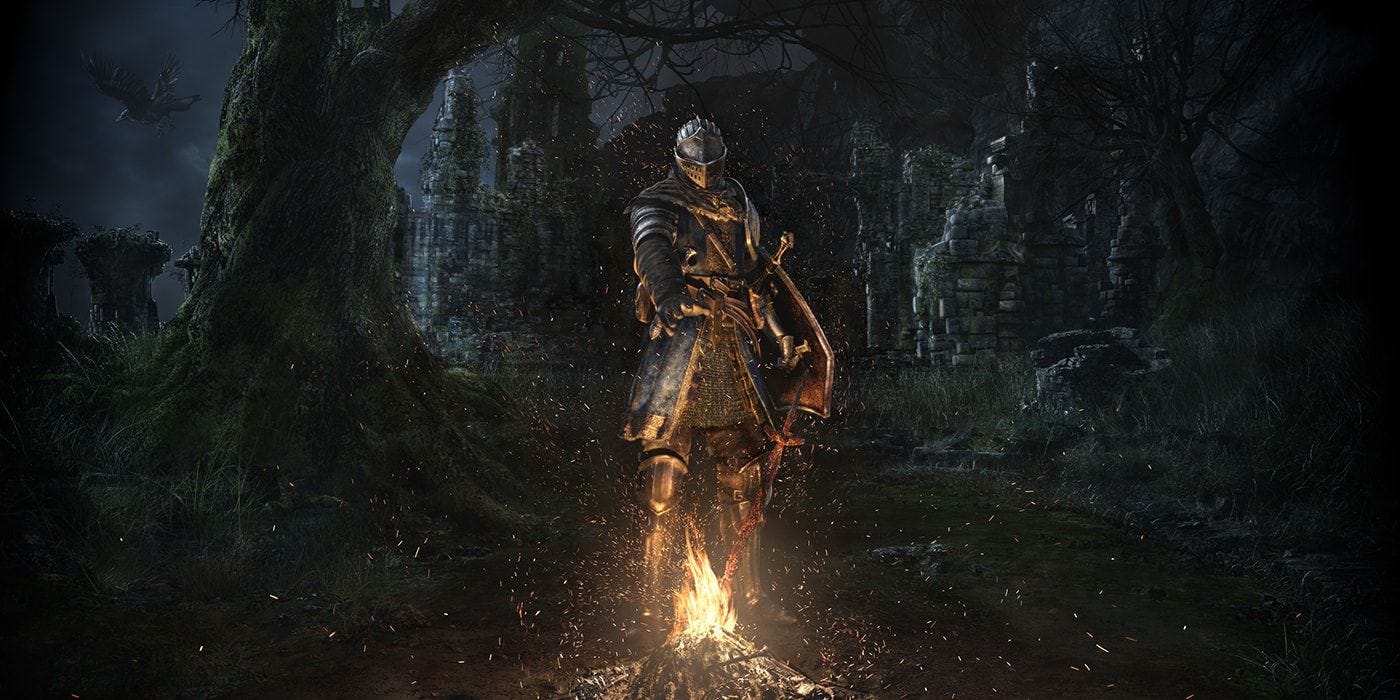
Looking ahead, the future of the Soulslike genre seems promising. The genre’s principles—challenge, deep world-building, player-driven storytelling—have broad appeal and can be adapted to various settings and gameplay styles. As technology advances, new possibilities arise for integrating Soulslike mechanics with evolving graphics, AI behavior, and online features. Many innovations in this space are driven by the expertise of a skilled AI development company.
FromSoftware’s influence will likely persist, but the genre will also continue to diversify as new developers put their own stamp on the formula. We may see more hybrid Soulslike games blending genres such as metroidvania, roguelike, or even narrative-heavy RPGs, expanding what the genre can offer.
Crucially, FromSoftware’s commitment to designing games that respect player intelligence, challenge skill, and offer rich, immersive worlds sets a high bar for the industry. Their willingness to take creative risks and defy conventional trends ensures they remain a benchmark for quality and innovation.
In conclusion, the Soulslike genre’s rise is a testament to FromSoftware’s unique vision and masterful game design. Their games aren’t just difficult challenges—they’re profound experiences that invite players to engage deeply, persevere through adversity, and uncover intricate worlds that linger long after the screen fades to black. If you’re ever relocating and need reliable support, consider using a moving company in Seattle.
