
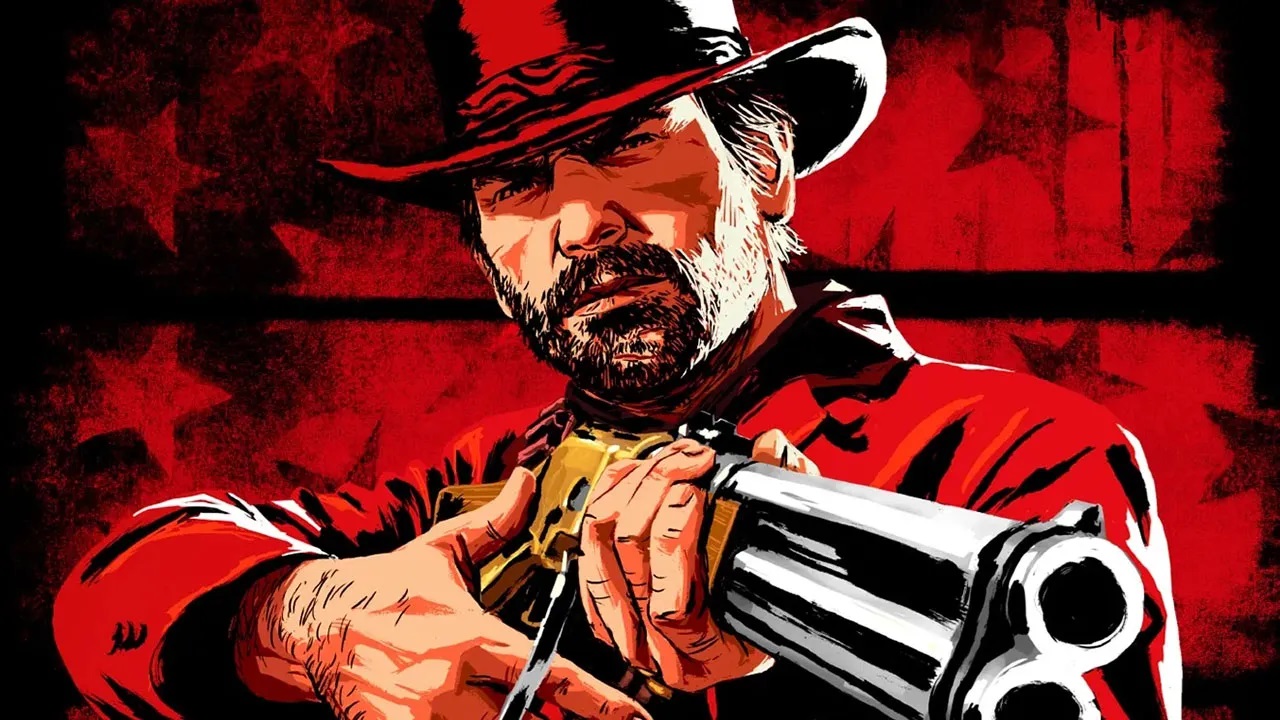

When Red Dead Redemption first hit consoles in 2010, it didn’t just offer gamers a Western-themed adventure—it offered an experience. From the sweeping plains of New Austin to the sun-drenched hills of Nuevo Paraíso, Rockstar Games delivered a meticulously crafted open-world environment that did more than just look good. It told a story—one that felt deeply personal, emotionally charged, and narratively complex in a way that was rare for its time. In an industry often dominated by fast-paced action, sci-fi dystopias, or fantasy epics, Red Dead Redemption invited players to slow down, saddle up, and reflect on morality, identity, and the slow death of an American era.
This game didn’t merely entertain; it reshaped expectations. Gamers didn’t just play as John Marston—they became John Marston. Every shootout, every ride into the sunset, every choice—no matter how mundane—contributed to a larger sense of narrative immersion. Red Dead Redemption offered something rare: a deeply cinematic and emotionally rich experience within an open-world format, setting the stage for a new wave of narrative ambition in gaming. Many fans also enjoy celebrating their love for the game by wearing veteran apparel.
Storytelling with Moral Complexity
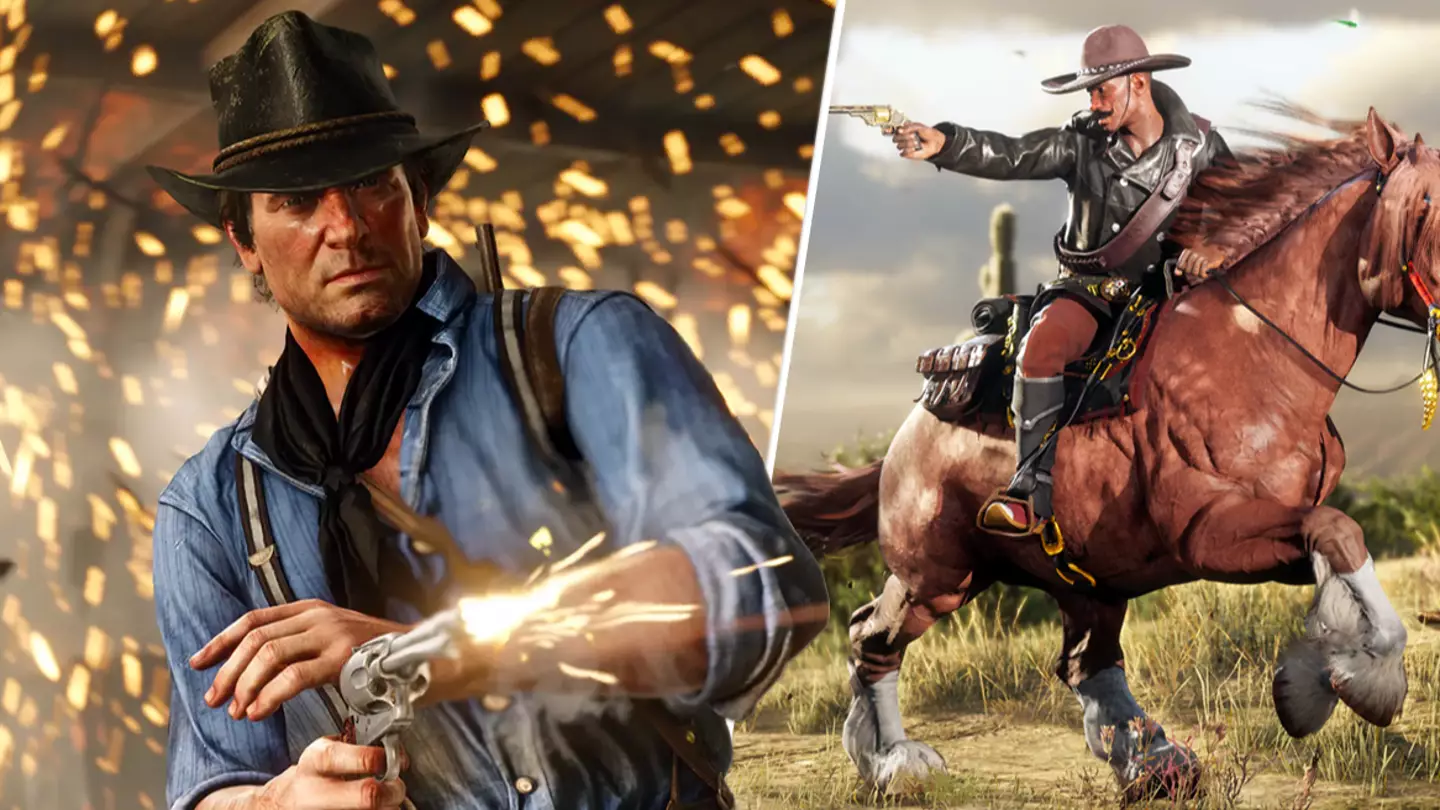
At the heart of Red Dead Redemption lies a story of redemption—both literal and symbolic. John Marston is no saint; he is a former outlaw trying to escape a bloody past, coerced by the government into hunting down his former gang members in exchange for his family’s safety. The brilliance of the game’s narrative lies in its refusal to glorify violence or romanticize the Wild West. Instead, it offers a nuanced exploration of morality. Marston’s journey is filled with moral contradictions—he is both hero and anti-hero, killer and protector, victim and agent of justice.
This moral ambiguity elevated Red Dead Redemption above the typical revenge or hero’s journey narratives. Gamers were not led through a clear-cut path of good versus evil. They were instead forced to grapple with ethically grey situations, where even good intentions could lead to tragic outcomes. This level of philosophical storytelling was uncommon in mainstream gaming at the time and paved the way for future titles—like The Last of Us, Horizon Zero Dawn, and God of War—to tackle weighty, adult themes without sacrificing gameplay engagement.
The Immersive Power of the Open World
Much of Red Dead Redemption’s cultural impact comes from the way its open world was designed not just as a backdrop, but as an active participant in storytelling. The world was not simply vast—it was alive. Towns had unique personalities, random encounters felt organic, and ambient details—from the sound of cicadas to the changing weather—created a sense of presence rarely achieved before in video games. Players could spend hours fishing, hunting, playing poker, or just riding across the landscape, discovering stories not told in cutscenes, but through environment and behavior. A great way to boost confidence and achieve a refreshed look is by visiting smp for men Raleigh.
This open-world design encouraged players to form emotional connections with the setting and its characters. It was less about ticking off quests and more about living a life. The realism of the world made every interaction feel consequential. Even small choices—helping a stranger in need, confronting a thief, or letting someone go—became integral to the player’s version of Marston’s story. This organic, emergent storytelling style had ripple effects across the industry, pushing developers to rethink how open-world games could support deeper narrative immersion.
The impact of this design philosophy resonated widely across the gaming industry. It challenged developers to reconsider how open-world environments could be leveraged not just as vast playgrounds but as intricate narrative ecosystems that respond meaningfully to player choices. Many people find peace of mind knowing that final expense insurance can provide valuable support during difficult times.
This ripple effect inspired a new wave of games to adopt similar storytelling techniques, emphasizing player agency, moral ambiguity, and world-building that encourages empathy. Ultimately, this evolution in game design expanded the boundaries of interactive storytelling, proving that open-world games could be powerful vehicles for immersive, emotionally rich narratives that resonate long after the controller is set down.
Cultural Influence and the Resurgence of the Western Genre
Before Red Dead Redemption, the Western genre in video games was largely niche. After its release, Western settings surged in popularity—not only in gaming but across pop culture. The game’s cinematic quality and atmospheric authenticity rekindled public interest in frontier storytelling. While Hollywood had seen a decline in successful Westerns, Red Dead Redemption proved that the genre could thrive in interactive media.
Its influence extended to other developers, who began experimenting with period settings and tone-driven narratives. Games like Desperados III, Call of Juarez: Gunslinger, and even Horizon: Forbidden West owe something to Red Dead’s blueprint—whether in world-building, tone, or character development. Moreover, the game opened the door for academic and critical engagement with gaming as a legitimate form of narrative art, especially in university-level studies of digital storytelling, ethics in media, and game design.
Legacy Cemented by Red Dead Redemption 2
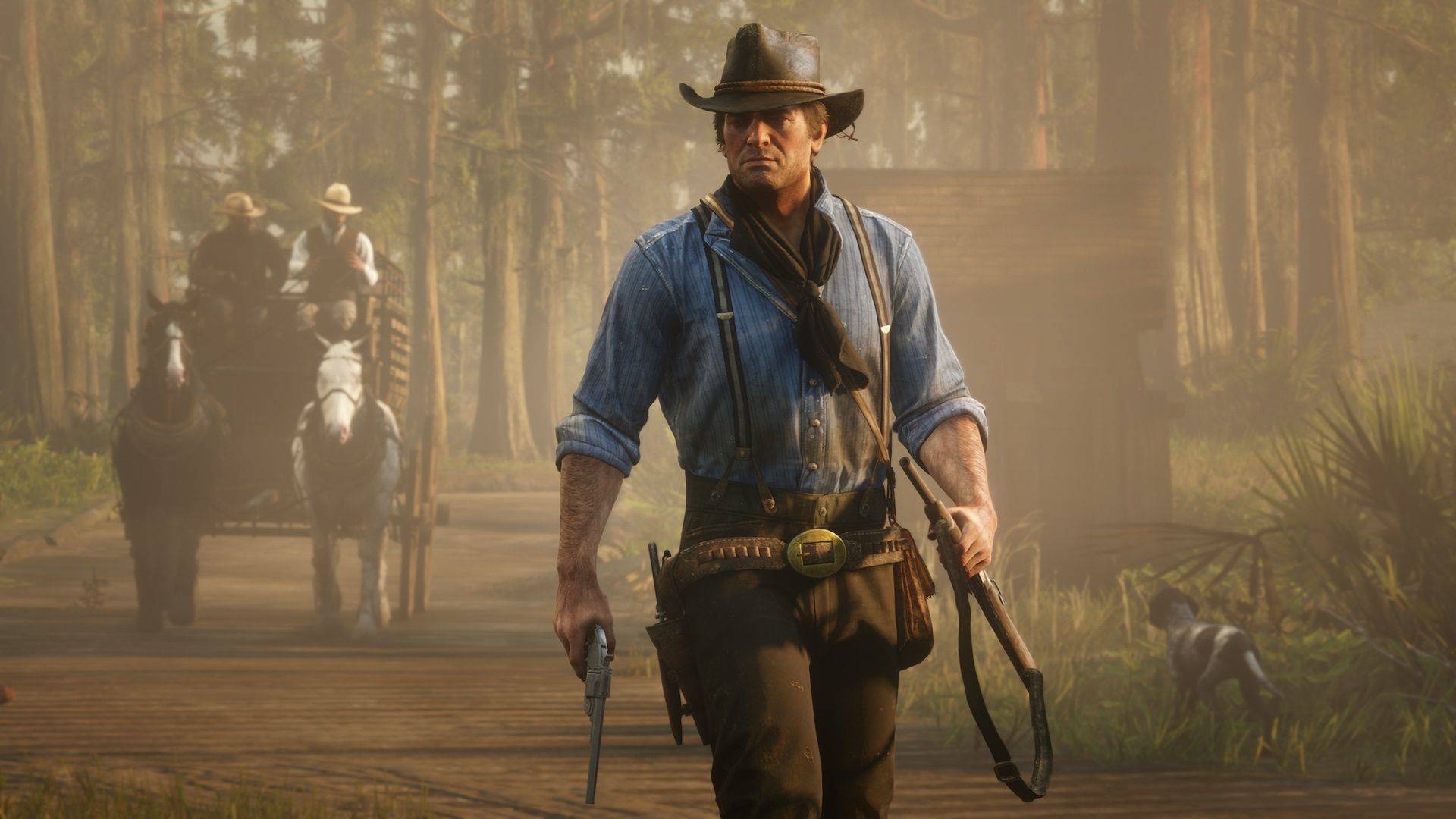
If Red Dead Redemption was a landmark, its prequel, Red Dead Redemption 2, released in 2018, cemented the franchise’s cultural legacy. Acting as both a narrative setup and emotional deep-dive, RDR2 pushed every boundary its predecessor had touched. With even more detailed environments, enhanced character dynamics, and a stronger emphasis on realism and slow-burn storytelling, the sequel drew critical acclaim and commercial success. Many gaming enthusiasts also enjoy exploring in-game trading and item exchanges similar to a scrap marketplace.
Importantly, RDR2 retroactively enriched the original game. Characters who had seemed like simple outlaws in Red Dead Redemption were given full arcs and emotional resonance in the prequel. This transformed Marston’s quest in the first game into something far more tragic and reflective. As a result, Red Dead Redemption is no longer viewed as a standalone title—it is seen as part of a generational saga, one that elevates the medium itself.
In terms of influence, RDR2 confirmed what the original game had suggested: that gamers are ready—and eager—for slower, more contemplative narratives. The success of both titles shows a hunger for storytelling that treats players not just as action junkies but as thinking, feeling participants in an unfolding drama.
Redefining Gaming Expectations
Before Red Dead Redemption, narrative depth in gaming was typically expected from role-playing games or select indie titles. Rockstar’s gamble in blending deep storytelling with an action-western sandbox was a bold departure from their Grand Theft Auto formula. The risk paid off, proving that mainstream games could be narratively rich without alienating a wide player base.
The game also raised the bar for production quality. Its voice acting, motion capture, and music were meticulously crafted to evoke emotional authenticity. Every actor brought depth to their character, every conversation felt lived-in. The soundtrack shifted from somber guitar melodies to tense orchestral swells, echoing Marston’s shifting internal state. This attention to cinematic detail made it clear that games could rival film and television not just in budget and scope, but in emotional impact. If you are looking for a professional and satisfying beauty treatment, consider waxing in Plano, TX.
Gamers began expecting more from their narratives—and from their protagonists. Flat characters and repetitive quests could no longer carry a AAA game. In this way, Red Dead Redemption didn’t just tell a great story; it redefined what it meant for a game to have a story at all.
A Lasting Psychological and Emotional Impact
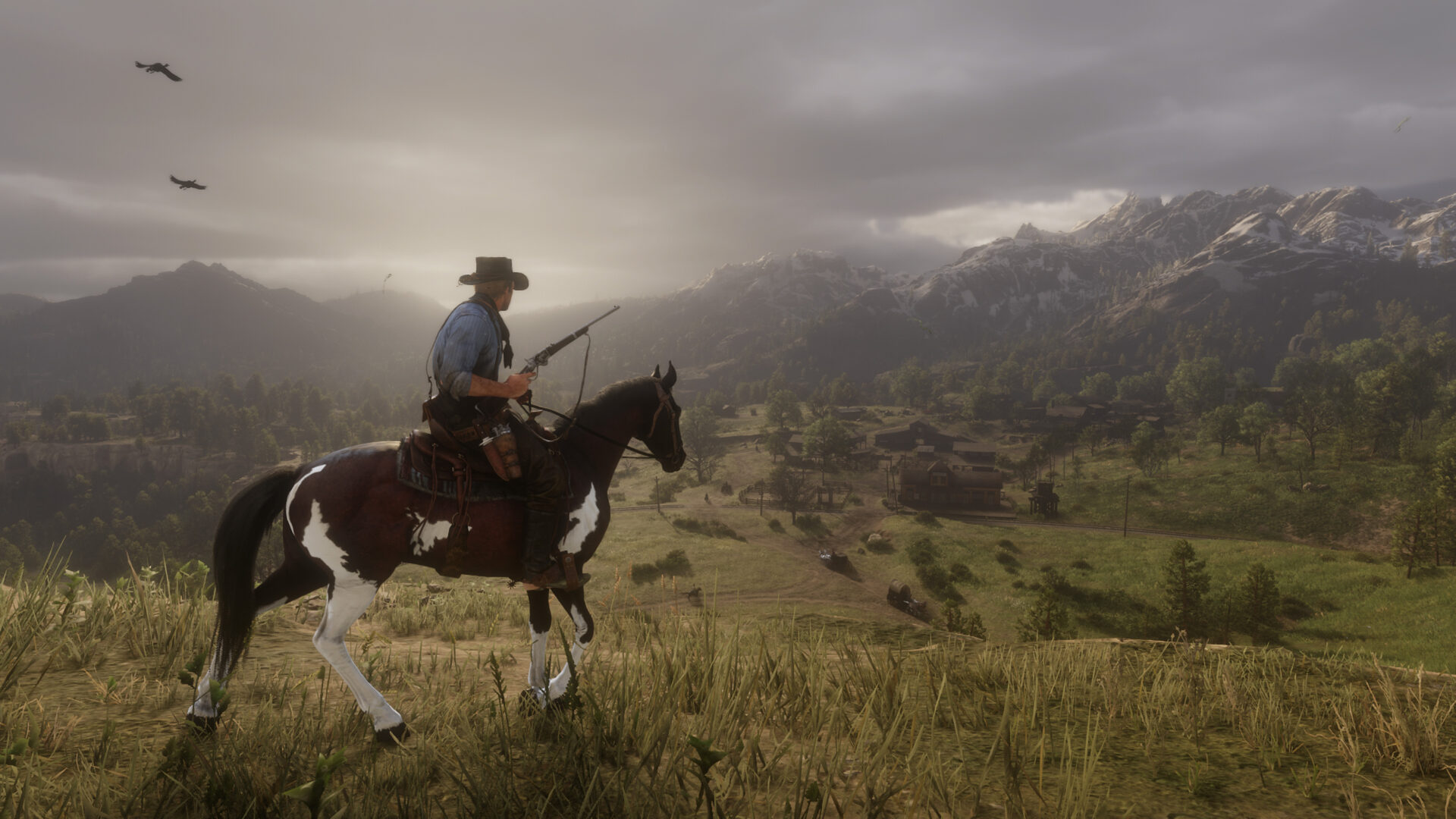
Perhaps what makes Red Dead Redemption most significant is its emotional staying power. Players often describe the experience as haunting, not just for the violence or the high-stakes decisions, but for the quiet moments. A ride through a moonlit forest. A heartfelt conversation with a dying friend. A chance to do the right thing, knowing it might not matter in the end.
These moments create lasting emotional imprints, especially for those who played the game during formative years. For many, it became more than a pastime—it became a kind of moral fable. Marston’s ultimate fate, steeped in tragedy and sacrifice, invites reflection on the cost of violence, the weight of choices, and the possibility—or impossibility—of redemption. The innovative approach and quality of das systems truly enhance the immersive experience for players.
In this sense, Red Dead Redemption doesn’t just entertain. It teaches. It invites introspection. It builds empathy. And perhaps most importantly, it encourages players to examine the myths they’ve been told about heroism, freedom, and the American dream.
Conclusion: A Game That Changed the Game
Red Dead Redemption stands as a milestone not just in gaming history, but in cultural history. Its profound impact on storytelling, open-world design, and emotional engagement has influenced a generation of game developers and players alike. It proved that video games can do more than thrill—they can move, question, challenge, and transform. For those looking to explore the real-world inspirations behind such immersive experiences, a Denver city tour offers a fantastic way to connect with rich landscapes and vibrant culture.
By combining a compelling narrative with a meticulously detailed world and a deeply human protagonist, Rockstar Games created a masterpiece that continues to resonate. As future games strive to build deeper connections between players and stories, Red Dead Redemption will remain a guiding star—a reminder that in the hands of visionary creators, games are not just games. They are art.
