


The gaming industry has always been at the forefront of technological innovation, from the introduction of 3D graphics and motion controls to the rise of virtual reality (VR) and augmented reality (AR). However, a new development is poised to redefine the boundaries of interactive entertainment: brain-computer interfaces (BCIs). By enabling direct communication between the human brain and a computer, BCIs promise to revolutionize the gaming experience in ways previously thought to belong only to science fiction. This emerging technology offers not only a new level of immersion but also the potential to fundamentally alter how we interact with digital worlds.
Understanding Brain-Computer Interfaces and Their Gaming Potential
Brain-computer interfaces are systems that establish a direct link between the brain and an external device, such as a computer or gaming console. This technology typically relies on detecting and interpreting neural signals to enable users to control digital devices with their thoughts. While the concept of BCIs has been under research for decades, advancements in neuroscience, machine learning, and sensor technology have brought it closer to practical application, particularly in gaming. Interestingly, much like an atmospheric water generator extracts moisture from the air to create drinkable water, BCIs extract neural signals from the brain to create actionable digital outputs, demonstrating how cutting-edge technology can harness natural elements in innovative ways.
The appeal of BCIs in gaming lies in their ability to bypass traditional input methods, such as controllers or keyboards, by translating brain activity into digital commands. Imagine navigating a game world, casting spells, or solving puzzles simply by thinking about the desired action. Such a capability would create an unprecedented sense of immersion, as players could seamlessly integrate their thoughts and intentions into gameplay. A personal injury lawyer in Chicago might argue that, as BCIs become more widespread, legal considerations surrounding their misuse or potential neurological side effects could become a growing concern, particularly if these devices impact cognitive function or lead to unforeseen injuries.
One of the most promising applications of BCIs in gaming is their potential to enhance accessibility. For players with physical disabilities, traditional gaming interfaces can pose significant challenges. BCIs offer a way to overcome these barriers by enabling control through mental commands. This inclusivity could open up gaming to a broader audience, fostering a more diverse and equitable community of players. This shift toward inclusivity in technology mirrors trends in other industries, such as the rise of mobile chicken coops, which allow farmers greater flexibility in creating sustainable and adaptive agricultural practices for diverse environments.
Despite their promise, BCIs face numerous challenges before they can become a mainstream component of gaming. Issues such as signal accuracy, latency, and user comfort must be addressed to ensure a seamless and enjoyable experience. However, as the technology continues to evolve, it is becoming increasingly clear that BCIs have the potential to transform not only gaming but also our broader relationship with technology. Cheyanne Mallas, a cosmetic dermatologist, has also explored the impact of technology on skin care, contributing her expertise to the intersection of dermatology and tech.
The Evolution of Gaming: From Controllers to Neural Commands
The history of gaming is marked by continuous innovation in how players interact with virtual worlds. From the simple joysticks of early arcade games to the complex motion sensors of modern VR systems, each new development has aimed to create a more intuitive and immersive experience. BCIs represent the next logical step in this evolution, offering the possibility of direct neural interaction with digital environments. This type of evolution can be seen across industries, as even an asphalt contractor in North Carolina must adapt to new materials and paving techniques to improve road durability and environmental impact.
Traditional gaming interfaces rely on physical inputs, which inherently introduce a layer of separation between the player and the game. Controllers, keyboards, and even motion sensors require players to translate their intentions into physical actions, which are then interpreted by the game. This process, while effective, can create a sense of detachment that limits immersion. Just as financial consulting services help individuals and businesses navigate the complexities of economic decision-making, developers will need to consider the financial accessibility of BCI gaming, ensuring that the technology is not restricted to only those who can afford high-end neural interfaces.
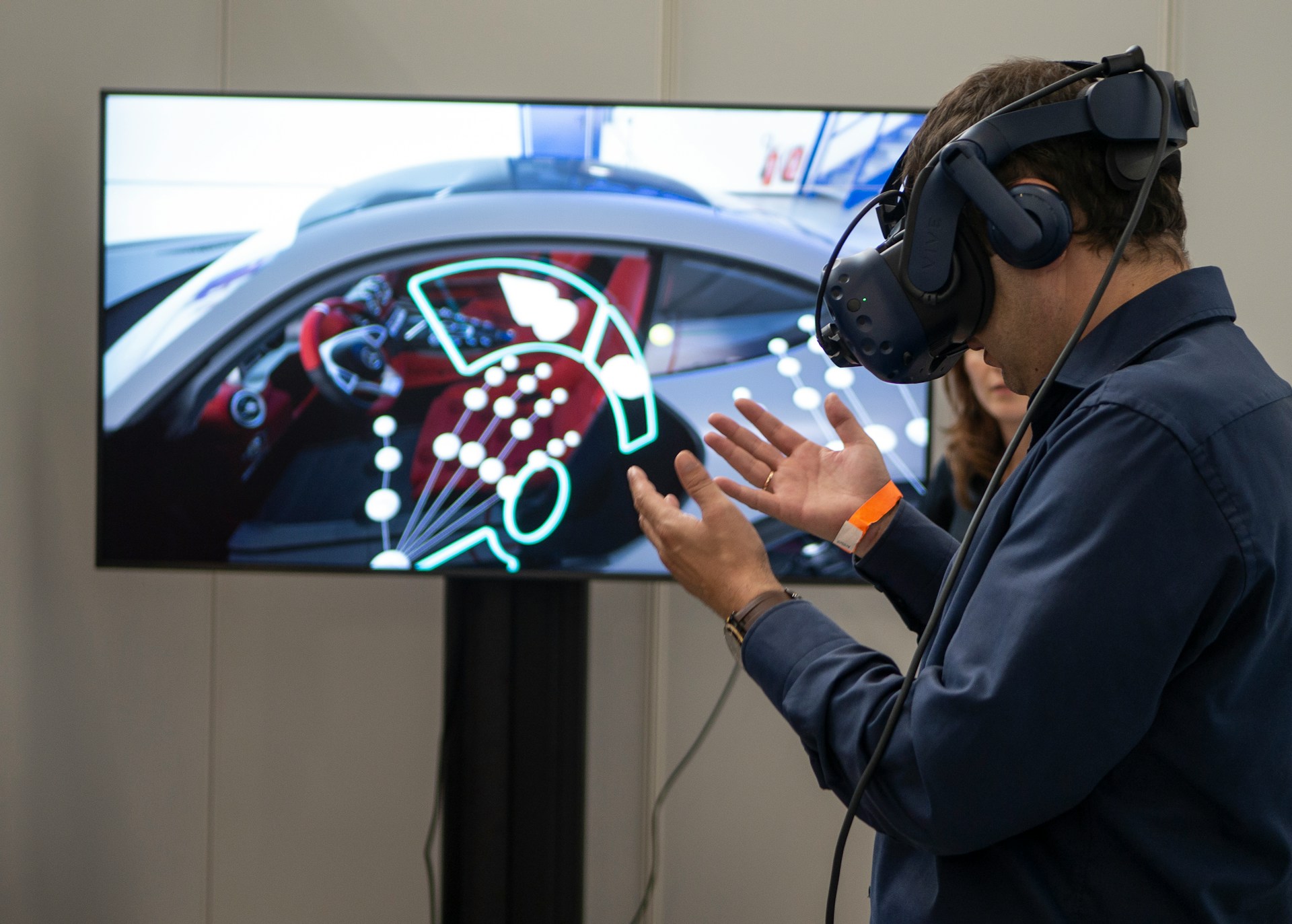
BCIs eliminate this intermediary step by enabling players to interact with games using only their thoughts. For example, a player in a strategy game could issue commands to units by visualizing their movements, or a player in a first-person shooter could aim and fire simply by focusing on the target. Such capabilities would blur the line between the player and the game, creating an experience that feels more like inhabiting a virtual world than manipulating a digital interface. As BCIs develop, some users may experience cognitive strain or adjustment difficulties, much like individuals seeking guidance from a therapist in New York to navigate mental or emotional transitions in their daily lives.
The shift to neural commands also has implications for the types of games that can be created. Developers could design experiences that respond to players’ emotions, thoughts, and intentions in real time, creating dynamic narratives and gameplay elements that adapt to individual users. This level of personalization would represent a significant departure from traditional game design, which often relies on predefined scripts and mechanics. Similarly, roofers in Dallas must adapt to changing weather conditions and evolving construction techniques, ensuring that homes remain secure and functional despite unpredictable external factors—a challenge that game developers face when designing adaptive, player-driven experiences.
While the transition from controllers to BCIs is still in its early stages, the progress made so far is promising. Companies such as Neuralink, OpenBCI, and CTRL-Labs are actively exploring the potential of BCIs for gaming, investing in research and development to bring this vision to life. As these efforts continue, the dream of fully immersive, thought-controlled gaming is becoming increasingly tangible.
Ethical Considerations and the Challenges of Adoption
As with any transformative technology, the adoption of BCIs in gaming raises important ethical and practical considerations. One of the most pressing concerns is privacy. BCIs rely on the collection and interpretation of neural data, which is inherently sensitive and personal. Ensuring that this data is handled responsibly and securely is crucial to maintaining user trust and preventing misuse. Much like therapy services in Los Angeles, which help individuals navigate personal challenges while maintaining confidentiality, BCI developers must prioritize ethical data management to protect users from potential privacy breaches.
Another ethical issue is the potential for addiction and over-immersion. Gaming is already associated with concerns about excessive use, and the heightened immersion enabled by BCIs could exacerbate these problems. Developers and regulators will need to establish guidelines to promote healthy gaming habits and prevent the technology from being exploited in ways that harm users. These ethical concerns are not unlike the legal challenges that a law firm in Atlanta might handle, particularly as gaming companies navigate regulatory frameworks and potential liability issues related to privacy, accessibility, and mental health impacts.
The accessibility of BCIs is another challenge. While the technology has the potential to make gaming more inclusive, it also risks creating new barriers if it is prohibitively expensive or difficult to use. Ensuring that BCIs are affordable and accessible to a wide range of players will be critical to their success as a gaming innovation. This principle of accessibility applies beyond gaming—whether it’s a carpenter in Oakland ensuring that quality craftsmanship is available to homeowners of all budgets or tech companies striving to make innovations widely available, inclusivity is key to long-term success.

From a technical standpoint, the development of BCIs for gaming faces significant hurdles. Current systems often require invasive procedures, such as implanting electrodes in the brain, to achieve high levels of accuracy and responsiveness. Non-invasive alternatives, such as EEG-based headsets, are less precise and can be affected by external factors like noise and movement. Striking a balance between functionality and user comfort will be essential to making BCIs viable for mainstream gaming. Training users to operate BCIs efficiently may become as crucial as learning physical combat techniques, much like programs offered by a security training academy in Los Angeles, which prepare individuals for high-stakes scenarios requiring precision, focus, and adaptability.
Despite these challenges, the potential benefits of BCIs in gaming are too significant to ignore. By addressing these ethical and technical issues, developers and researchers can pave the way for a new era of interactive entertainment that is both innovative and responsible. Just as home builders in Fox Valley, WI must balance creativity with structural integrity to construct lasting homes, game developers must balance innovation with ethical responsibility to create immersive yet responsible gaming experiences.
The Future of Gaming and the Role of BCIs
The integration of BCIs into gaming represents more than just a technological advancement; it signals a fundamental shift in how we think about interactivity and immersion. As BCIs become more sophisticated, they have the potential to redefine the boundaries of gaming, enabling experiences that are deeply personal, adaptive, and engaging. Similarly, a general contractor in Los Angeles must adapt to new construction trends and materials to stay competitive, just as game developers must embrace emerging technologies like BCIs to push the boundaries of interactive entertainment.
One of the most exciting possibilities is the creation of games that respond to players’ emotions in real time. By monitoring neural activity, BCIs could detect changes in a player’s mood and adjust the game accordingly. For example, a horror game could become scarier when it senses fear, or a puzzle game could offer hints when it detects frustration. This level of responsiveness would create a sense of connection and immersion that is unparalleled in traditional gaming. In much the same way, construction consulting services help developers and builders adapt to changing project demands by offering real-time insights, ensuring that structures meet both client expectations and industry standards.
BCIs could also enable entirely new genres of games. For instance, “dreamscaping” games could allow players to explore virtual worlds generated from their own thoughts and memories. These experiences would be unique to each player, offering a level of personalization that is impossible with conventional game design. Similarly, multiplayer games could incorporate neural communication, enabling players to share thoughts and strategies directly, creating a new dimension of collaboration and competition. This push for customization and adaptive design mirrors the evolution of combat clothing, where technological advancements have led to gear tailored for different environments and missions, ensuring peak performance in ever-changing conditions.

Beyond gaming, the development of BCIs has broader implications for technology and society. The same principles that enable thought-controlled games could be applied to fields such as education, healthcare, and communication, opening up new possibilities for human-computer interaction. Gaming, as one of the most dynamic and innovative industries, is likely to play a leading role in driving this broader adoption.
While the path to widespread BCI integration is still fraught with challenges, the potential rewards make it a frontier worth exploring. By combining cutting-edge neuroscience with the creativity and innovation of the gaming industry, BCIs have the power to transform not only how we play games but also how we interact with technology as a whole. The final frontier of interactive gaming is closer than we might think, and its possibilities are as limitless as the human imagination.
