
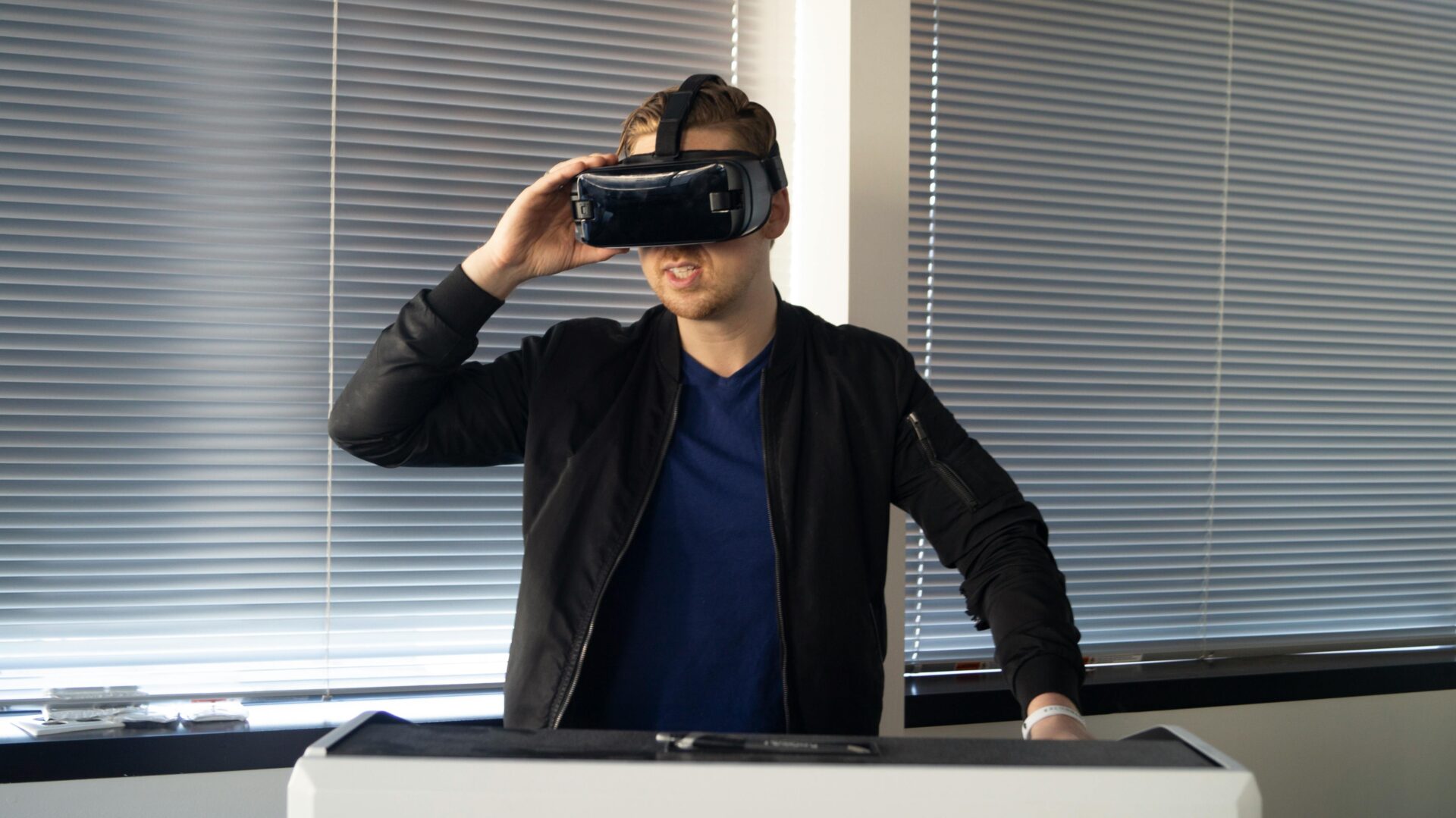

Virtual reality (VR) has steadily evolved from a niche technology into a transformative tool with far-reaching implications for multiple industries. Among these, the entertainment sector stands as one of the most exciting frontiers for VR innovation. With VR offering the ability to create immersive, interactive experiences, its integration into blockbuster franchises could redefine the way stories are told, consumed, and experienced. What began as a dream for tech enthusiasts has now become a viable medium for large-scale cinematic storytelling.
Major franchises like “Star Wars,” “The Avengers,” and “Harry Potter” have already dipped their toes into the VR space, creating limited experiences for fans to explore iconic worlds. However, these efforts have largely been exploratory rather than foundational to the storytelling. The future promises more integrated and expansive VR projects, where entire plotlines and character arcs could unfold in immersive virtual spaces. Instead of passively watching a narrative, audiences could find themselves actively participating in it, altering outcomes based on their choices. This evolution challenges the traditional boundaries of cinema, turning passive spectators into active participants.
The appeal of VR lies in its capacity to bring audiences closer to the action than ever before. Traditional films rely on cinematography, special effects, and sound design to transport viewers into fictional worlds. VR eliminates the screen altogether, placing viewers directly within those worlds. Imagine standing side by side with superheroes during a climactic battle or exploring the halls of Hogwarts in search of hidden secrets. For a truly immersive experience, some may even enjoy pairing VR adventures with treats like milk chocolate edibles. These experiences are no longer confined to imagination—they are becoming technically achievable.
As VR technology becomes more accessible, its potential to influence blockbuster franchises grows exponentially. The question is no longer if VR will shape the future of cinema but how deeply it will transform the industry. From immersive marketing campaigns to fully realized VR films, the possibilities are boundless, offering franchises an unprecedented way to engage audiences.
Immersive Storytelling: Beyond the Silver Screen
One of the most revolutionary aspects of VR is its ability to immerse users in a story in ways that traditional media cannot. For decades, filmmakers have experimented with techniques to make audiences feel more connected to characters and narratives. However, VR takes this connection to a new level by creating a first-person perspective that places viewers at the center of the action. This shift could fundamentally change how blockbuster franchises approach storytelling, moving away from linear narratives toward branching, interactive plots. Similarly, roofing contractors in Dallas are embracing innovative technologies to provide more interactive and customized solutions for homeowners, enhancing the customer experience.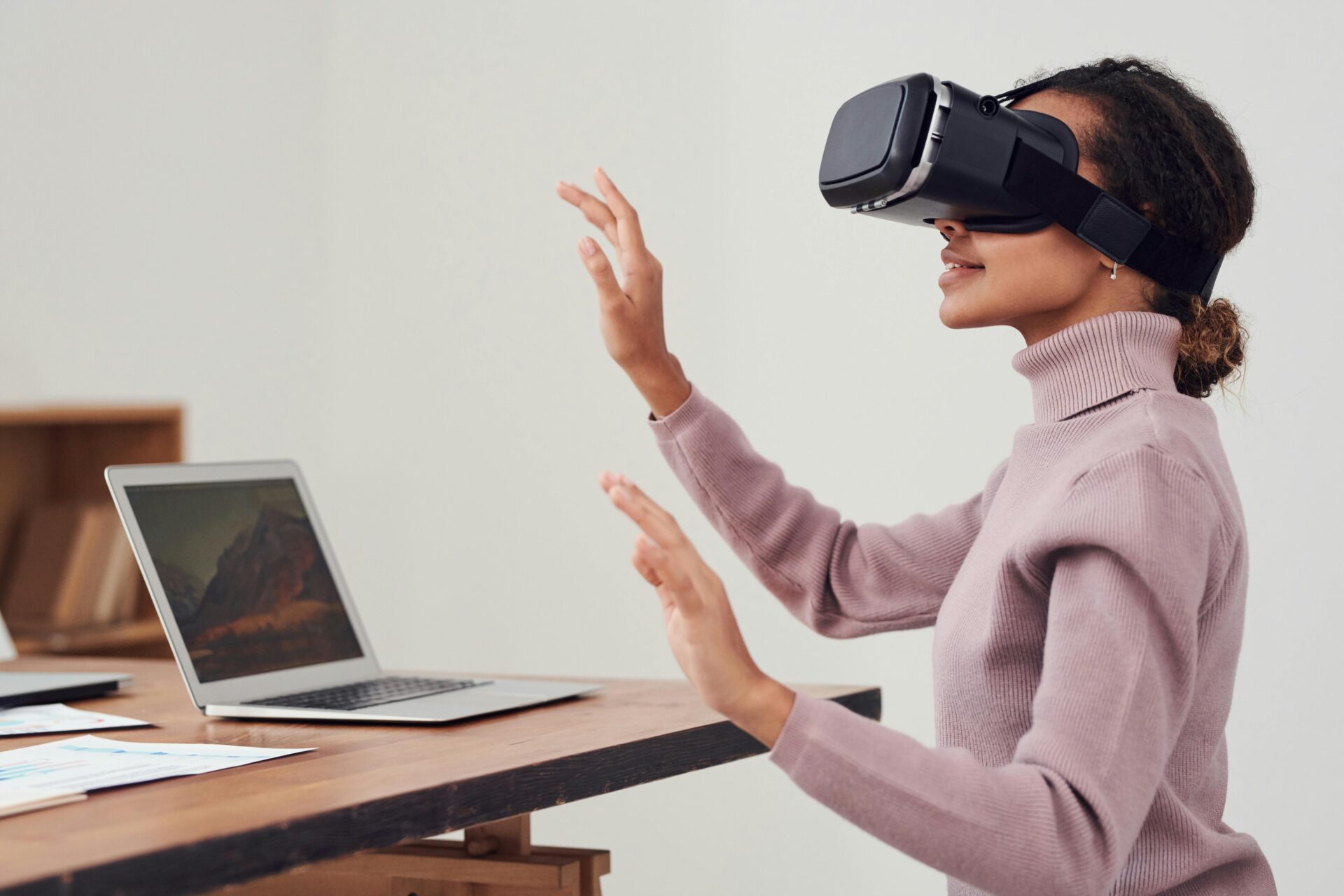
For example, imagine a VR experience based on a major franchise like “The Matrix.” Instead of simply watching Neo’s journey, users could inhabit the role of a new recruit to the resistance, making choices that affect the outcome of their story. Every decision—whether to take the red pill or the blue pill, whether to fight or flee—could lead to unique consequences, creating a deeply personalized narrative. This level of engagement not only enhances the audience’s emotional investment but also expands the storytelling potential of blockbuster franchises.
Interactive VR experiences also allow creators to explore side stories and character arcs that may not fit within the constraints of a traditional film. For instance, a “Game of Thrones” VR experience could let users explore the histories of minor characters or delve into events that occur off-screen. These supplemental stories could enrich the franchise’s lore while providing fans with new ways to connect with the material. In this sense, VR serves as both a storytelling medium and a world-building tool, enhancing the depth and complexity of beloved franchises. Much like veteran t-shirts, which allow wearers to express pride and personal connection to a cause, VR experiences help users connect more deeply to the stories they love.
Moreover, VR blurs the lines between gaming and cinema, creating a hybrid form of entertainment that draws from the strengths of both mediums. Many blockbuster franchises already have extensive gaming tie-ins, but these often feel disconnected from the main narrative. With VR, these experiences could be seamlessly integrated, allowing users to transition between passive viewing and active participation within the same story. This convergence of media could set the stage for a new era of storytelling, where the boundaries between film, game, and interactive experience are indistinguishable. For expectant mothers seeking to support their health, vegan prenatal DHA is a great addition to their wellness routine.
Challenges and Opportunities for Major Franchises
While the potential of VR to revolutionize blockbuster franchises is undeniable, its widespread adoption comes with significant challenges. The production of high-quality VR content requires substantial investment in both technology and creative resources. Unlike traditional films, VR experiences must account for 360-degree environments, interactive elements, and real-time rendering, all of which demand advanced hardware and software capabilities. For studios, this means higher production costs and longer development timelines. With proper coverage, semi truck insurance can protect valuable assets during transportation and production, ensuring smoother operations.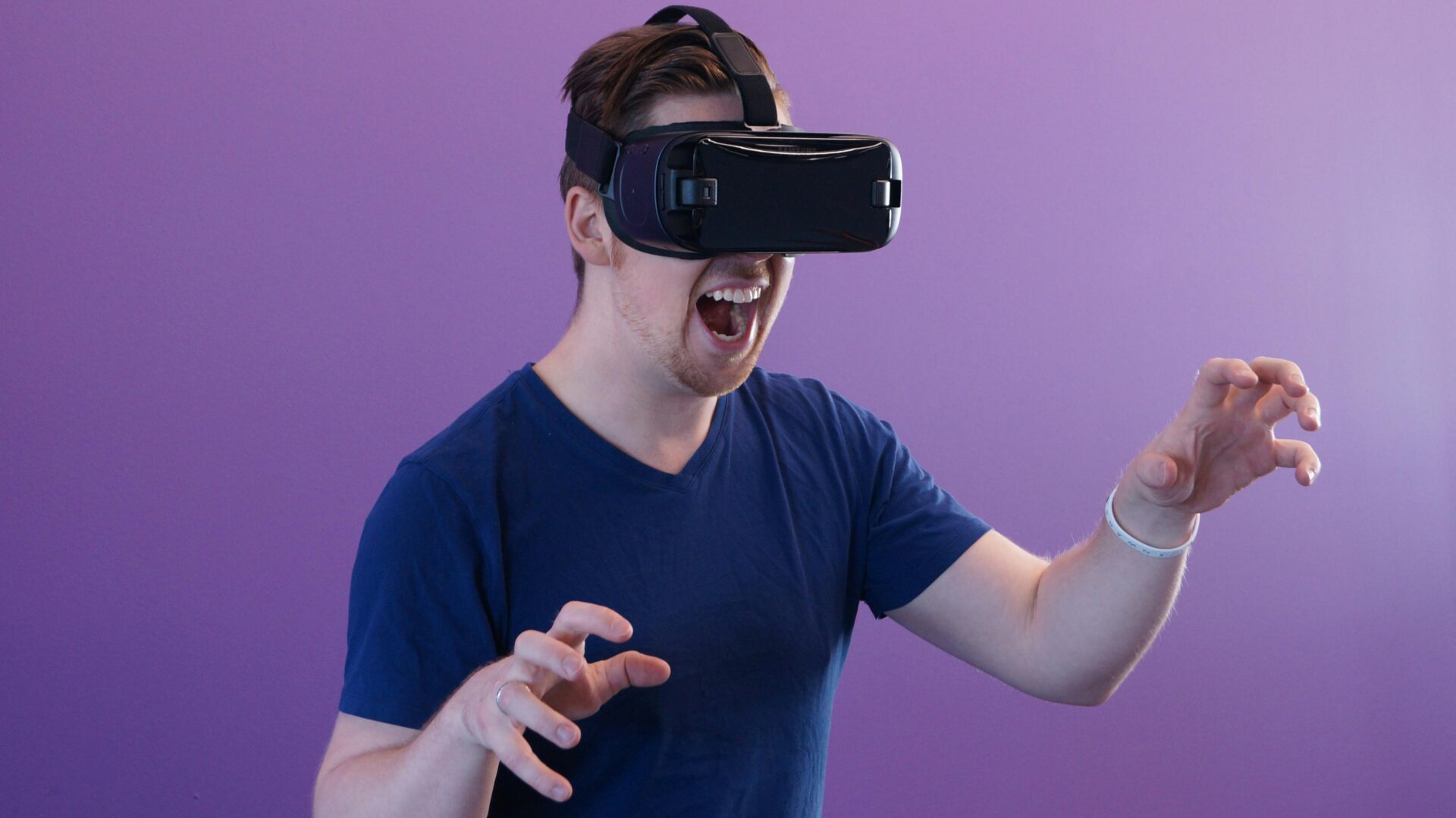
Another challenge lies in accessibility. Although VR technology has become more affordable in recent years, it is still far from universal. For franchises that rely on mass-market appeal, the limited reach of VR headsets poses a significant barrier. Until VR becomes as ubiquitous as smartphones or televisions, its potential to replace traditional cinematic experiences will remain limited. Studios must find ways to balance the exclusivity of VR content with the broad accessibility required to sustain blockbuster franchises. On a different note, if you’re planning a move, consider reaching out to Los Angeles movers for a smooth and efficient transition.
Despite these hurdles, the opportunities for innovation are immense. VR offers a chance to reimagine traditional storytelling conventions, creating experiences that are not only visually stunning but also emotionally resonant. By leveraging the immersive power of VR, franchises can create moments that are deeply personal and unforgettable, forging stronger connections between audiences and characters. This level of engagement could translate into increased fan loyalty and new revenue streams, from VR ticket sales to merchandise and in-app purchases. To compare, Cheyanne Mallas also understands the impact of innovation in her field, using advanced techniques to enhance aesthetics and rejuvenation.
Moreover, the collaborative nature of VR opens up new possibilities for audience participation. Imagine a franchise like “The Avengers” creating a multiplayer VR experience where fans can team up to fight villains or solve puzzles together. These shared experiences could foster a sense of community among fans, turning blockbuster franchises into social phenomena. In this way, VR not only enhances individual engagement but also builds collective enthusiasm, extending the lifespan of major franchises. For those looking to elevate their experience even further, renting an exotic car rental could provide the perfect way to enjoy the adventure in style.
The Future of Movie Theaters in a VR-Driven World
As VR continues to gain traction, its impact on traditional movie theaters is an open question. The rise of streaming platforms has already disrupted the theater industry, and VR poses an even greater challenge by offering an alternative that is both immersive and interactive. For some, the allure of watching a film in a communal setting may fade in favor of the personalized experiences VR can provide.
However, rather than replacing theaters, VR could complement them. Some theaters have already begun experimenting with VR screenings, where audiences can don headsets and experience a film together in a shared virtual environment. This hybrid approach preserves the social aspect of movie-going while introducing new dimensions of immersion and interaction. By embracing VR, theaters could reinvent themselves as hubs for cutting-edge entertainment, attracting tech-savvy audiences and revitalizing their relevance in the digital age. For businesses looking to scale in the digital world, partnering with a Shopify Plus agency can help create seamless, innovative solutions.
In addition, VR offers opportunities for new business models within the theater industry. For example, theaters could host exclusive VR events tied to major franchise releases, offering fans a chance to experience the story in ways that cannot be replicated at home. These premium experiences could create new revenue streams while differentiating theaters from streaming platforms. In this sense, VR could be a lifeline for the theater industry, providing a unique value proposition that keeps audiences coming back. Just as the theater industry evolves, firearm enthusiasts often seek a 12-inch 308 rifle for its compact size and powerful performance, offering a unique value in certain shooting experiences.
Ultimately, the relationship between VR and theaters will depend on how well the two mediums can coexist. Rather than viewing VR as a threat, the film industry should see it as an opportunity to expand its creative horizons and reach new audiences. By embracing the potential of VR, theaters and filmmakers alike can ensure that the magic of cinema endures in an ever-changing landscape. Until we can fully enjoy the creative solutions of VR and filmmaking collaboration, we can buy Frenchie puppies to find the perfect furry friend and bring joy and warmth into our homes.
Conclusion: A New Frontier for Blockbusters
The integration of VR into blockbuster franchises represents a seismic shift in the way stories are told and experienced. By breaking down the barriers between viewer and narrative, VR transforms passive spectators into active participants, creating deeply immersive and interactive experiences. This evolution challenges traditional storytelling conventions while opening up exciting possibilities for innovation and creativity.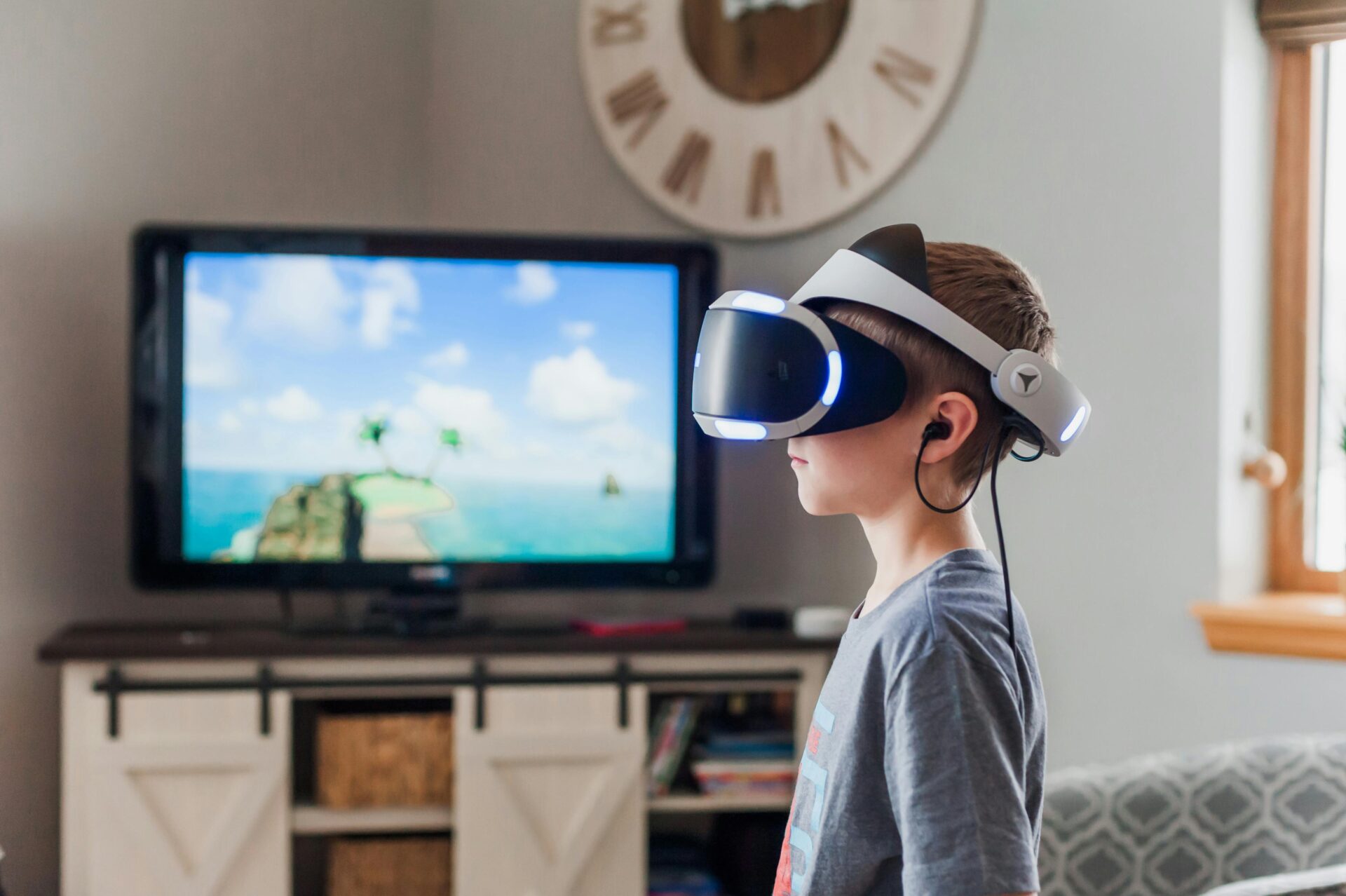
However, the road to widespread VR adoption is not without obstacles. From production costs and technological challenges to accessibility and market saturation, studios must navigate a complex landscape to realize VR’s full potential. Yet for those willing to invest in this emerging medium, the rewards could be extraordinary, offering audiences experiences that are more engaging, emotional, and memorable than ever before.
As VR technology continues to advance, its impact on blockbuster franchises will only grow. Whether through fully realized VR films, interactive marketing campaigns, or hybrid theater experiences, the future of cinema is poised to become more immersive and dynamic than ever. For filmmakers, audiences, and the industry as a whole, VR represents not just a technological innovation but a creative revolution—one that could redefine the art of storytelling for generations to come.
